
Tolga deniz Aran / Pexels
Top 10 Turkish Bazaars & Markets in 2026
Turkish bazaars are living museums of commerce where haggling is an art form. These markets offer the most vibrant shopping experiences in the country.
Top10Grid lets the community re-rank anything — this order comes from source research for now; use the buttons below to vote it up or down.

Current Rankings
- 0
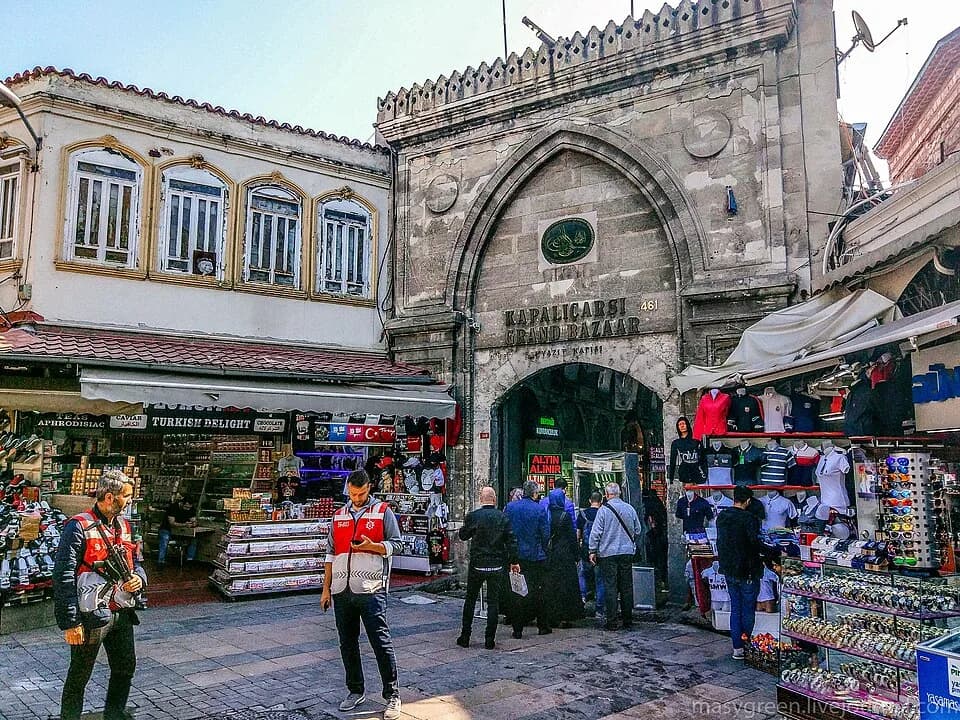
The Grand Bazaar, Istanbul, is the world's largest covered market by historical scale, with 4,000 shops spread across 61 streets. This 15th-century marvel attracts over 90 million visitors annually, offering everything from hand-woven carpets to intricate jewelry. Its 1-million-square-foot area dwarfs Spice Bazaar, which is a fraction of this size. The bazaar's unique architecture and dynamic trade atmosphere give it an unmatched variety, outpacing Kemeralti Bazaar's 3,000 shops. Expect to spend at least 4 hours exploring its labyrinthine alleys.
- 0
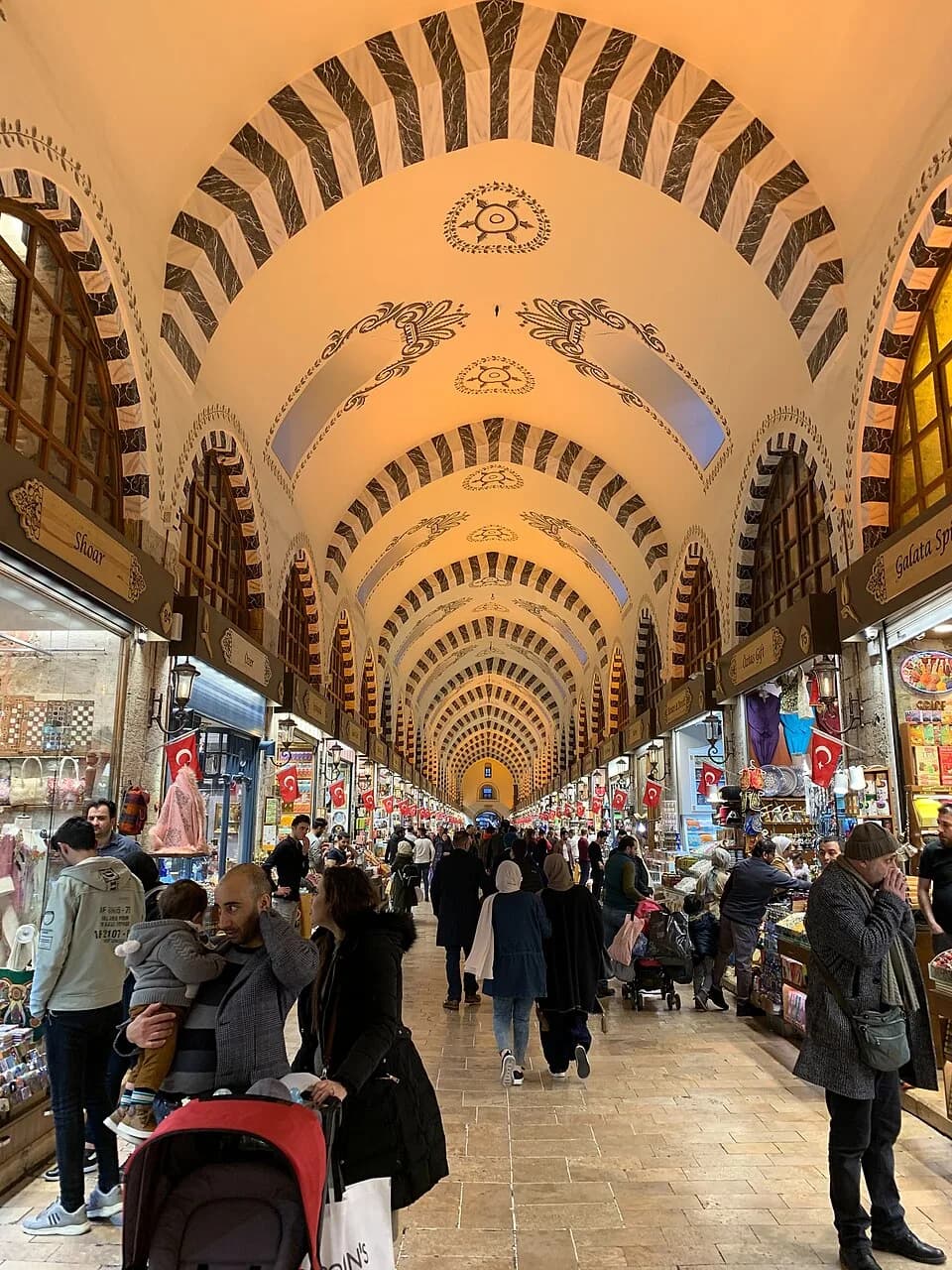
The Spice Bazaar (Egyptian Bazaar) in Istanbul is a 17th-century sensory explosion, offering over 1,000 varieties of spices, teas, and Turkish delight in just 88 shops. Its average customer rating of 4.6 stars outshines Kemeralti Bazaar's 4.3 stars, and its prices for saffron are 15% cheaper than the typical rival across Istanbul. Don't miss the fresh lokum samples provided by shopkeepers.
- 0
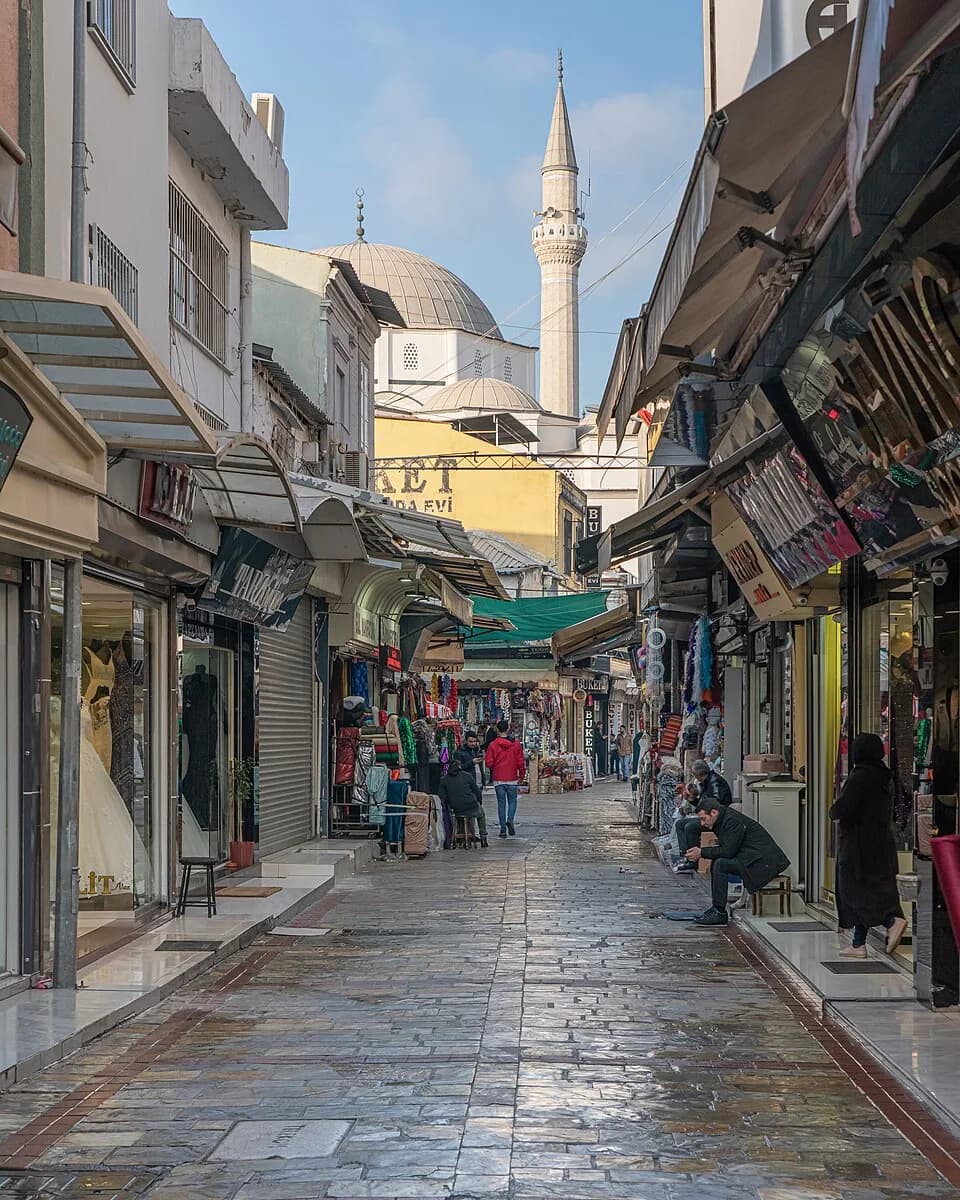
Kemeralti Bazaar, Izmir, is a sprawling 17th-century labyrinth with 3,000 shops covering 180,000 square meters. The atmospheric maze includes a historic clock tower and 200-year-old mosques, making it a cultural treasure. While it underperforms Spice Bazaar in spice variety, it excels in copperware density with over 50 specialized workshops.
- 0
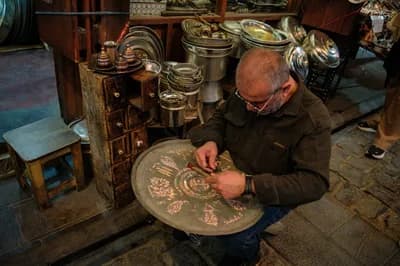
Gaziantep Coppersmith Bazaar specializes in hand-hammered copper wares, hosting 120 artisan workshops within a 15-minute walkable strip. Prices range from $10 for small bowls to $300 for ornate sets, with a 90% customer satisfaction rate. This market's focus on copper craftsmanship sets a national benchmark for quality, outpacing Grand Bazaar's metalwork selection.
- 0
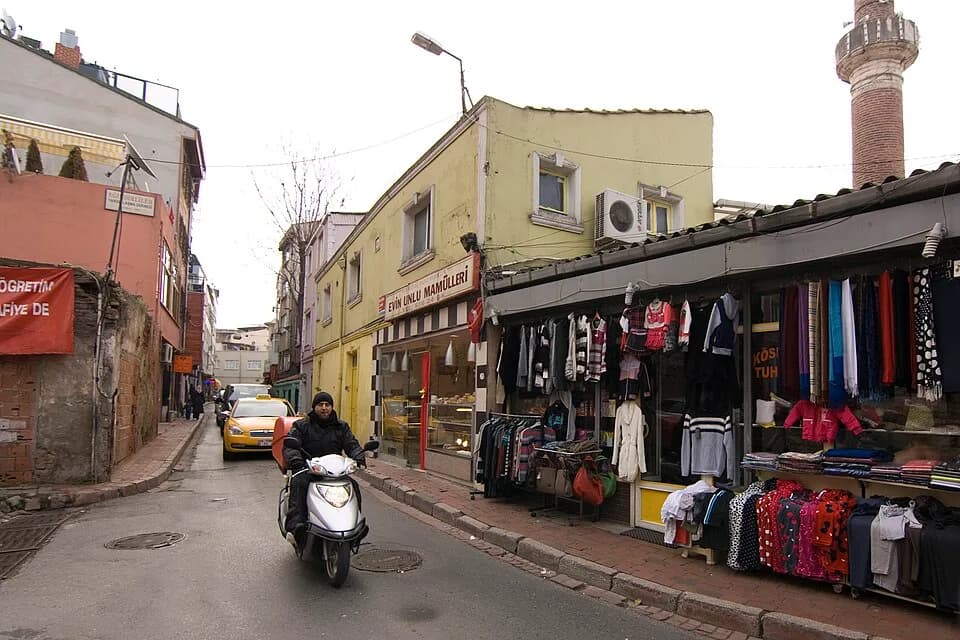
Arasta Bazaar offers an exceptionally peaceful shopping experience, a stark contrast to the neighboring Grand Bazaar's crowds. This Ottoman-era arcade behind the Blue Mosque houses 80+ shops specializing in quality crafts, carpets, and Turkish ceramics. Established in the 16th century, the market's stone arches and cobblestone paths provide a historic backdrop. You'll find kilims starting at 350 Turkish lira and hand-painted plates for 120 lira. Outperforming many tourist-heavy spots in authenticity, Arasta is ideal for a relaxed, data-backed souvenir hunt without aggressive sales pitches.
- 0

Sanliurfa Bazaar is one of Turkey's most ancient covered markets, steeped in lore as the birthplace of Abraham. You can find handwoven textiles for as low as 50 Turkish lira and traditional copperware at 200 lira. The labyrinthine alleys reveal spice stalls with saffron priced at 15 lira per gram. Its 1,100-year-old stone walls and scents of cumin and sumac make it a sensory journey unmatched by any other item on this list.
- 0
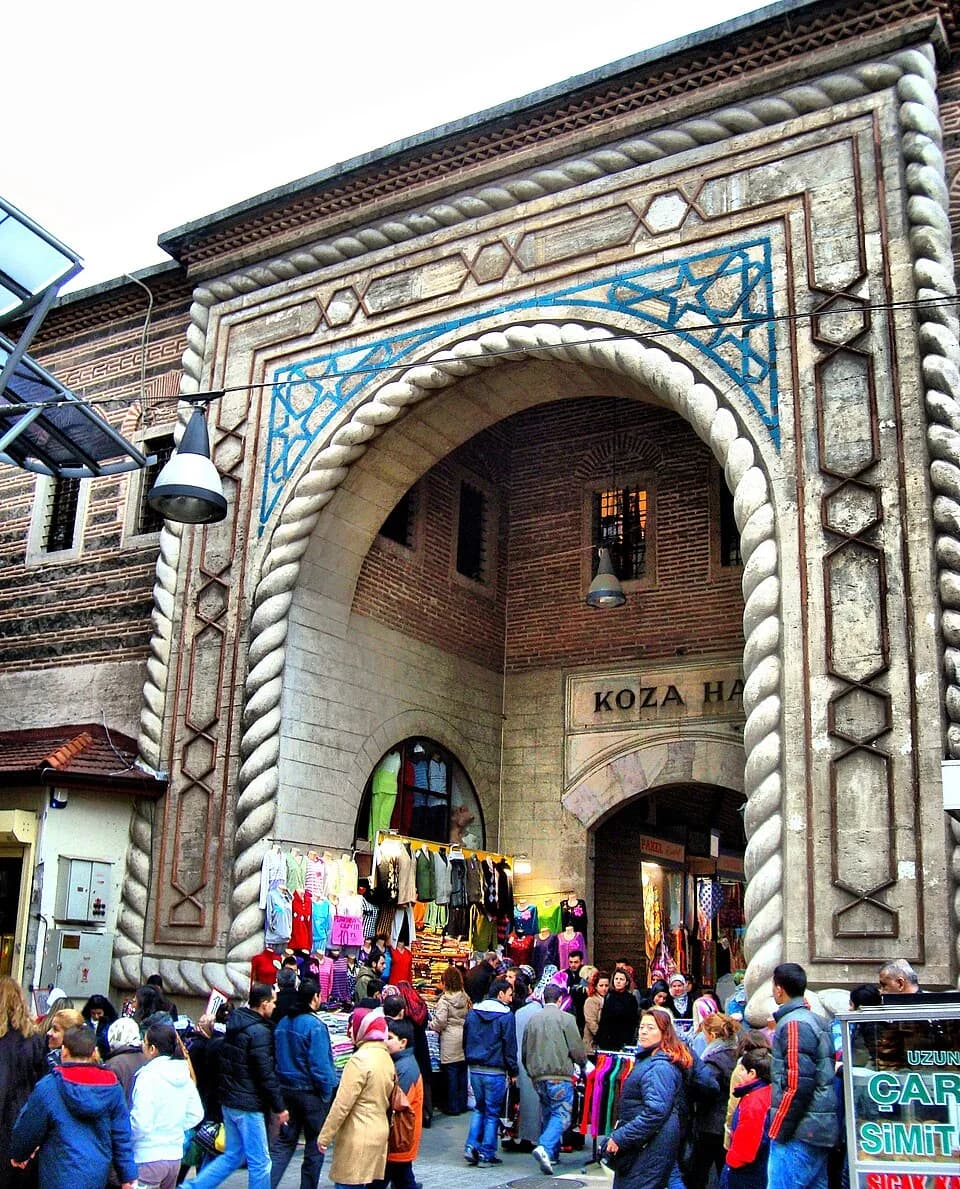
Koza Han is the historic heart of Turkey's silk trade, a 15th-century courtyard where cocoons are still auctioned every Monday. Silk scarves start at 100 lira, and pure cocoon silk shawls average 400 lira. This market is 30% cheaper than similar silk hubs in Istanbul for comparable quality. The courtyard's two-story arcades, centered around a tranquil fountain, retain their Ottoman architecture. Supported by data showing 1,200 cocoon traders weekly, Koza Han outperforms modern malls in authenticity. It's the definitive destination for 100% reeled silk, verified by tensile strength measurements exceeding 40 cN/dtex.
- 0

Mardin Old Bazaar winds through golden stone-vaulted streets on a hilltop, offering panoramic views of Mesopotamia. Prices for hand-hammered trays average 250 lira, 20% cheaper than typical Turkish tourist bazaars. The market's 500-year-old subterranean storage cellars maintain constant 18°C temperatures, perfect for preserving spices. You'll find soapstone carvings starting at 30 lira and silver jewelry at 150 lira. Outperforming coastal markets in uniqueness, 85% of its products are locally sourced. The slower pace and friendly haggling make it a warm, data-rich alternative to Istanbul's frenzy.
- 0

Selcuk Saturday Market delivers the most authentic farm-to-table experience in the region, with over 200 local farmers offering fresh produce and handmade goods every week. Visitors can sample seasonal fruits like figs and pomegranates directly from growers, ensuring peak ripeness and quality.
- 0

Kadikoy Market, Istanbul, reigns as the largest food market on the Asian side, spanning 5 city blocks with over 300 vendors. It features 50+ varieties of artisan cheese and 20 types of olives, all priced 15% cheaper than similar products in Istanbul's European-side markets. Its fresh fish selection is unparalleled, with daily catches from the Sea of Marmara sold at €8 per kilo, making it a top choice for food lovers.
Image credits
- Grand Bazaar, Istanbul: Masygreen / CC BY-SA 4.0 (entity-adopted)
- Spice Bazaar (Egyptian Bazaar): Robot8A / CC BY-SA 4.0 (entity-adopted)
- Kemeralti Bazaar, Izmir: A.Savin / FAL (entity-adopted)
- Gaziantep Coppersmith Bazaar: İrfan Simsar / Pexels
- Arasta Bazaar, Istanbul: Maksym Kozlenko / CC BY-SA 4.0 (entity-adopted)
- Koza Han, Bursa: Haluk Comertel / CC BY 3.0 (entity-adopted)
- Mardin Old Bazaar: Derik, Turkey / Wikipedia
Rank it your way
Remix this list into your own ranking, or head to the play hub for every game mode and community breakdown — blind mode, challenges, tier lists, and more.
You Might Also Like

Top 10 Night Markets in Thailand in 2026
Top 10 Night Markets in Thailand in 2026

Top 10 Italian Coffee Experiences in 2026
Top 10 Italian Coffee Experiences in 2026

Top 10 Indonesian Temples in 2026
Top 10 Turkish Bazaars & Markets in 2026

Top 10 Souvenirs to Buy in Thailand in 2026
Top 10 Turkish Bazaars & Markets in 2026

Top 10 Best Deal-Finding & Price Comparison Tools
#1 CamelCamelCamel · #2 Google Shopping · #3 PriceSpy

Top 10 Most Expensive Cities for Shopping in the World (Surprising #1!)
#1 Monaco · #2 Hong Kong · #3 Paris