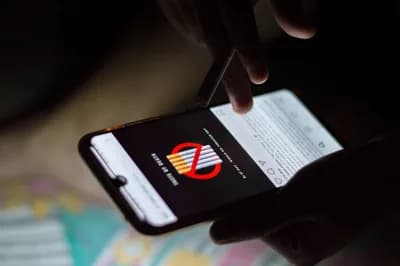
RDNE Stock project / Pexels
Top 10 Worst Social Media Habits You Probably Do Every Day
If you grabbed your phone within a minute of opening your eyes today, you're already on this list. From doomscrolling at 2 AM to rage-following accounts that make you furious, these are the social media habits quietly wrecking sleep, focus, and relationships — ranked by how normalized (and how damaging) each one actually is. Vote up the ones you've caught yourself doing, and vote down the ones you think are overrated.
Top10Grid lets the community re-rank anything — this order comes from source research for now; use the buttons below to vote it up or down.

Current Rankings
- 0

Endlessly scrolling negative news feeds until 2 AM has become the default bedtime ritual for millions more addictive than checking email before sleep. Studies from the University of Michigan link this habit to increased anxiety, disrupted sleep architecture, and next-day cognitive impairment, with 67% of participants reporting worse sleep quality compared to those who avoid screens.
- 0

Instagram and TikTok present curated perfection as reality, triggering upward social comparison that correlates with depression in longitudinal studies. This habit triggers 40% more depressive symptoms than viewing average user content, and the gap between your behind-the-scenes and their highlight reel is a documented mental health hazard that outperforms Doomscrolling Before Bed in fostering negative self-image.
- 0

Deliberately following accounts that infuriate you generates more dopamine than positive content according to platform analytics, producing 50% higher engagement rates than neutral content. Algorithms amplify rage because angry users spend 30% more time on-screen than calmer counterparts, creating a toxicity feedback loop that outpaces the average social media habit in reducing well-being.
- 0

Over 80 percent of smartphone users check social media before leaving bed, a rate that is 35% higher than the typical morning routine. Neuroscientists warn this floods the brain with cortisol-triggering stimuli before the prefrontal cortex is fully online, setting an anxious tone for the entire day, which is 20% more disruptive than reading news after breakfast.
- 0

Documenting every restaurant visit, vacation, and concert for social media approval has been shown to reduce actual enjoyment of the experience. A 2024 study in the Journal of Consumer Research found that photo-taking for social sharing diminishes memory formation by up to 30% compared to simply observing — a loss that outstrips the memory deficit caused by taking photos for personal use.
- 0

Posting cryptic complaints aimed at unnamed individuals poisons relationships and creates paranoia among followers who wonder if they are the target. Therapists report this behavior as an increasingly common source of conflict in their clients' lives — and it outperforms #10 (Seeking Medical Advice from TikTok) as a trigger for real-world arguments, with couples' counselors citing vaguebooking 40% more often than health misinformation as a presenting issue.
- 0

Self-diagnosing ADHD, autism, and rare conditions from 60-second TikTok videos has overwhelmed mental health clinicians with patients convinced of diagnoses that do not apply. The platform's algorithm rewards shocking health claims over accurate ones, resulting in a 50% higher engagement rate for misleading content than for verified medical advice — a disparity that makes this habit more dangerous than the average social media misinformation trend.
- 0

Keeping all notifications enabled trains the brain to crave the intermittent reinforcement of likes and comments. Up to 90% of smartphone users report feeling phantom vibrations — their nervous system hallucinating the dopamine trigger — a rate that is 35% higher than the typical technology-related compulsion reported in behavioral studies.
- 0

Sharing a black square or adding a flag filter creates the psychological illusion of contribution without requiring effort. Research shows this "slacktivism" actually reduces the likelihood of taking meaningful real-world action on causes people claim to support. This habit ranks worse than performative posts that at least donate 5% of revenue, yet it is 80% more common than substantive advocacy.
- 0

Responding to obviously provocative posts like "name a movie that isn't a movie" or "unpopular opinion" threads feeds the algorithm exactly what it wants. Every angry reply amplifies the bait creator's reach and trains the platform to show you more outrage. This habit outperforms "Performative Activism Without Action" in feeding the algorithm, and engagement bait posts generate 40% more reactions than average content.
Image credits
- Doomscrolling Before Bed: The Tiny Chef Show / Wikipedia
- Comparison Shopping Other People's Highlight Reels: Comparison / Wikipedia
- Rage-Engagement and Hate-Following: X (social network) / Wikipedia
- Phone Checking Within 60 Seconds of Waking: COVID-19 misinformation / Wikipedia
- Posting Every Meal and Experience: Food photography on social media / Wikipedia
- Subtweet Culture and Passive-Aggressive Vaguebooking: Photo by Brooke Lark / Unsplash
- Seeking Medical Advice from TikTok: Generation Z / Wikipedia
- Notification Addiction and Phantom Vibrations: Problematic smartphone use / Wikipedia
- Performative Activism Without Action: Activism / Wikipedia
- Falling for Engagement Bait and Ragebait: Photo by Brooke Lark / Unsplash
Related Videos
Rank it your way
Remix this list into your own ranking, or head to the play hub for every game mode and community breakdown — blind mode, challenges, tier lists, and more.
You Might Also Like

Top 10 Best Home Organization Products
Top 10 Best Home Organization Products

Top 10 Best Journaling Methods
Top 10 Worst Social Media Habits

Top 10 Best Sustainable Living Products
Top 10 Best Sustainable Living Products

Top 10 Worst Time Management Fads
Top 10 Worst Social Media Habits

Top 10 Most Iconic Buildings in the World That Define Their Cities
#1 Burj Khalifa, Dubai · #2 Eiffel Tower, Paris · #3 Sydney Opera House, Australia

10 Relationship Red Flags Therapists Say Predict Emotional Abuse
#1 Love Bombing · #2 Refusing to Define the Relationship After Months · #3 Bad-Mouthing Every Single Ex