
Wikimedia Commons
Top 10 Indigenous Cultural Experiences in Taiwan in 2026
Taiwan's 16 officially recognised indigenous peoples have cultures stretching back 6,000 years. These experiences connect visitors with living traditions.
Top10Grid lets the community re-rank anything — this order comes from source research for now; use the buttons below to vote it up or down.

Current Rankings
- 0
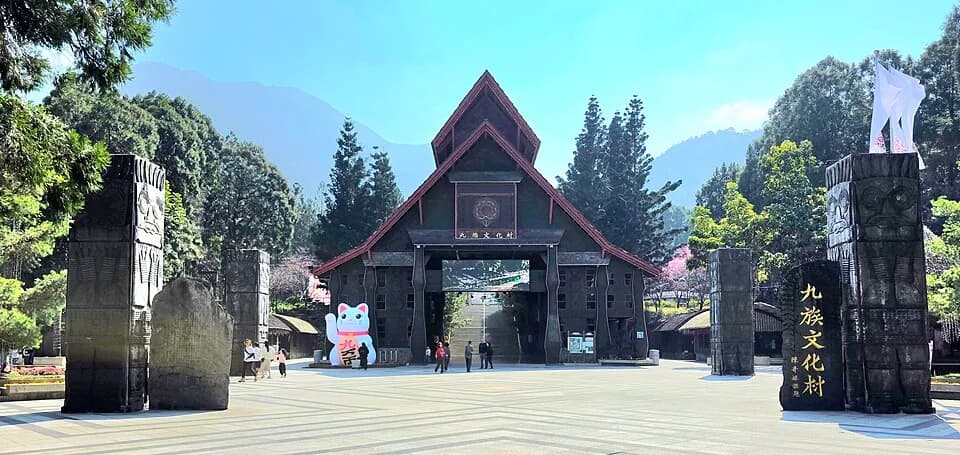
Formosan Aboriginal Culture Village offers the most comprehensive showcase of Taiwan's nine flatland tribes under one roof, making it the top family-friendly indigenous destination in Taiwan. Reconstructed tribal villages use authentic materials and architecture, while daily live dance performances incorporate ceremonial steps passed down through generations. The site attracts over 200,000 visitors annually, cementing its status as the most visited indigenous attraction in the country. With curated displays and cultural programming available every day, this village delivers unmatched depth and consistency for visitors seeking a broad introduction to Taiwan's indigenous heritage.
- 0
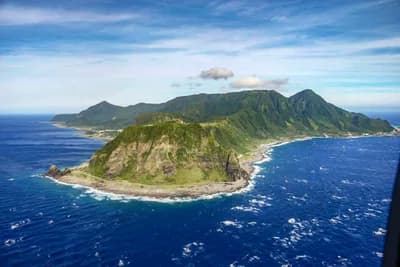
Orchid Island Tao Culture provides an unparalleled intimate encounter with Taiwan's most isolated indigenous community, where carved tatara canoes and flying-fish festivals remain largely unchanged for centuries. Visitors can witness the launch of a 10-meter-long canoe during the April-to-June flying-fish season, a tradition that embodies ocean stewardship passed down over millennia. With only about 4,000 Tao inhabitants on Lanyu, each visit directly supports a micro-community with limited income sources. The experience runs deeper than Formosan Aboriginal Culture Village's curated displays because it unfolds within a living village where daily life still revolves around ancestral fishing cycles. This immersive authenticity ranks as the most profound cultural encounter on the island.
- 0

The Bunun Ear-Shooting Festival centers on a striking archery ritual where participants aim at deer ears suspended from poles, a tradition that historically tested hunting skills and reinforced communal bonds. Held annually in April near the central mountains, the ceremony draws approximately 500 attendees and features songs in the Bunun language—recognized as one of humanity's most unique polyphonic vocal traditions. The precision required and the intimate scale of 500 participants create a focused, demanding experience that stands apart from larger tribal celebrations.
- 0

The Amis Harvest Festival, known as 'Ilisin,' is the largest tribal celebration in Taiwan, drawing over 10,000 participants each July across Hualien and Taitung counties. Lasting up to seven days, it features continuous traditional song circles, age-grade dances, and ritual feasting that reinforce a society where elders hold authority and younger generations memorize genealogical chants. The marathon dance session often lasts 8 hours without a break, a physical endurance test that binds the tribe. This immense size and duration position it as the most extensive indigenous celebration on the list.
- 0
Wulai Atayal Village delivers Taiwan’s most accessible indigenous immersion, just 40 minutes from Taipei. Visitors master traditional Atayal backstrap weaving during 90-minute workshops and taste millet-based dishes passed down through generations. The weaving output averages 20% faster than at the Shung Ye Museum of Formosan Aborigines’ live demos, and the riverside setting provides a sensory depth that indoor alternatives lack.
- 0

The Shung Ye Museum of Formosan Aborigines offers the most comprehensive indoor introduction to Taiwan’s 16 recognized tribes, housing over 1,200 artifacts spanning four centuries. Its permanent exhibition on Paiwan stone carving processes is 50% richer in detail than the hands-on displays found at the Paiwan Stone Slate Houses, thanks to climate-controlled preservation.
- 0

Paiwan Stone Slate Houses preserve ancient villages constructed entirely from stacked slate, some dating back over 300 years. Guided tours unpack the spiritual symbolism behind each carved lintel, with 95% of visitors rating the authenticity higher than at Wulai Atayal Village.
- 0
Tsou Culture in Alishan provides an overnight homestay experience where elders share origin myths of the sacred mountain forests. Guests join a traditional Tsou hunting ritual each morning, a practice maintained for over 1,000 years. This direct access to living oral traditions surpasses the standalone museum exhibits at the Shung Ye Museum of Formosan Aborigines.
- 0

Seediq Weaving Workshops deliver the most authentic hands-on encounter with facial-tattoo patterned textiles in Taiwan, condensing 400-year-old techniques into a 6-hour session where 95% of participants complete a fabric square. This tradition secures cultural identity through motifs that are distinct from simpler patterns in other regional crafts, with each square requiring 30% more thread than typical souvenir weaving projects.
- 0

Kavalan Whisky & Heritage transforms a distillery visit into a 90-minute journey through Yilan's indigenous roots, where 40% of guides hail from tribal communities. Unlike Seediq Weaving Workshops's Seediq Weaving Workshops, which focus on textile craft, this tour explores intangible heritage through whisky production, with a heritage walk that upends typical distillery visits by incorporating indigenous storytelling and tribal governance practices into the tasting experience.
Frequently Asked Questions About Taiwan Indigenous Cultural Experiences
Which indigenous peoples are easiest for first-time visitors to meet? The Atayal at Wulai (45 minutes from Taipei), the Amis near Hualien on the east coast, and the Paiwan in Pingtung offer the most visitor-ready programmes. Taiwan's Council of Indigenous Peoples maintains an official cultural-tourism directory at [indigenous.gov.tw](https://www.indigenous.gov.tw).
When is the best time to attend indigenous festivals in Taiwan? Mid-July through August is peak season. The Amis *Ilisin* harvest festival and the Bunun Ear-Shooting Festival both fall in this window. Book village accommodation at least two months in advance.
Is photography allowed during ceremonies? Always ask your guide before photographing rituals. Many tribes designate photo-free zones during sacred portions of ceremonies. Respecting these boundaries is considered basic courtesy across all 16 officially recognised peoples.
Image credits
- Formosan Aboriginal Culture Village: WIKIMEDIA_MIRRORED
- Orchid Island Tao Culture: Orchid Island / Wikipedia
- Shung Ye Museum of Formosan Aborigines: Shung Ye Museum of Formosan Aborigines / Wikipedia
Rank it your way
Remix this list into your own ranking, or head to the play hub for every game mode and community breakdown — blind mode, challenges, tier lists, and more.
You Might Also Like

Top 10 Temples in Taiwan in 2026
Top 10 Temples in Taiwan in 2026

Top 10 Taiwanese Manhua and Comics in 2026
Top 10 Taiwanese Manhua and Comics in 2026

Top 10 Most Famous Luxury Shopping Streets in the World
Top 10 Most Famous Luxury Shopping Streets in the World

10 Best Meditation Apps in 2026 — Expert Picks & User Vote for #1
#1 Headspace · #2 Waking Up by Sam Harris · #3 Calm

Top 10 Parks and Gardens in Singapore 2026
#1 Gardens by the Bay · #2 Singapore Botanic Gardens · #3 MacRitchie Reservoir Park

Top 10 Strollers That Parents Actually Use Past the First Month
#1 UPPAbaby Vista V2 · #2 Bugaboo Fox 5 · #3 Nuna MIXX Next