Seattle Municipal Archives / Wikimedia Commons (CC BY 2.0)
Going green doesn't have to mean going broke. These everyday product swaps cut waste and cut costs — most pay for themselves within months. The best part? They're not complicated lifestyle overhauls. They're simple replacements that make your wallet and the planet slightly less miserable.
Curated by our lifestyle editors. Reader vote and editorial review both shape the order.

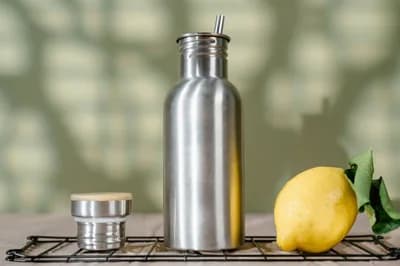
Americans throw away 50 billion plastic water bottles per year. A Hydro Flask costs $30-45 and lasts a decade. At $2 per bottled water, it pays for itself in under a month if you're buying daily. The vacuum insulation keeps drinks cold for 24 hours or hot for 12, which is more than any disposable has ever managed. Hydro Flask became a cultural phenomenon in 2019 when VSCO girls turned it into a status symbol — but the math worked long before TikTok noticed.

Disposable razors generate over 2 billion units of plastic waste annually in the US alone. A stainless steel safety razor costs $25-40 upfront, and replacement blades run about $0.10 each — compared to $3-6 per cartridge for Gillette or Schick. Over five years, you save roughly $500 and keep hundreds of plastic cartridges out of landfills. The shave is objectively better too. Your grandfather knew this. The disposable razor industry just spent 50 years convincing you he was wrong.

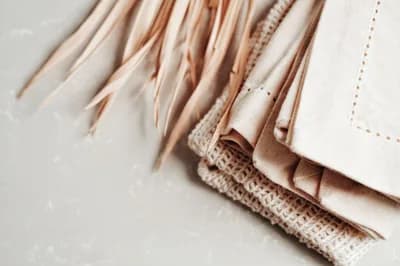
The average American family uses 2,200 paper napkins per year. At $0.02-0.05 each, that's $50-110 annually thrown straight in the trash. A set of 12 cloth napkins costs $15-30 and lasts 5+ years with regular washing. The cost per use drops to fractions of a penny. They also look better on your table, absorb more, and don't disintegrate mid-meal. The environmental math is even simpler: 571,230 tons of paper napkins hit US landfills annually.

Americans use enough plastic wrap each year to shrink-wrap Texas. Bee's Wrap, the pioneer of beeswax food wraps, offers reusable alternatives that last about a year with proper care. A $18 variety pack replaces roughly 1,500 feet of plastic wrap. They're made from organic cotton, beeswax, jojoba oil, and tree resin — and when they finally wear out, they're fully compostable. The warmth of your hands molds them around bowls and food. It's old technology repackaged for modern guilt.

The world uses 5 trillion plastic bags per year. That's 160,000 bags per second. A sturdy reusable grocery bag costs $1-5 and replaces 500+ single-use bags over its lifetime. Many stores now charge $0.10-0.25 per disposable bag, so the savings are immediate and compounding. The key is actually remembering to bring them — which is why keeping them in your car trunk works better than any environmental lecture. Some estimates suggest each reusable bag saves 22,000 gallons of water over its lifecycle compared to the paper bags it replaces.

A single menstruating person uses approximately 11,000 disposable pads or tampons in their lifetime. At $7-10 per box monthly, that's roughly $3,000-5,000 over a lifetime. A DivaCup costs $30-40 and lasts up to 10 years. One cup replaces 2,400 tampons. The environmental impact is staggering: disposable menstrual products generate 200,000 tons of landfill waste annually in the US. Medical-grade silicone means no bleach, no dioxins, no fragrance chemicals against sensitive tissue.

LED bulbs use 75% less energy than incandescent bulbs and last 25 times longer. A $2-5 LED bulb lasts 25,000 hours compared to 1,000 for incandescent. The Department of Energy estimates switching your entire home to LEDs saves $225 per year on electricity. By 2027, widespread LED adoption in the US could save the equivalent annual output of 44 large power plants. The light quality argument died years ago — modern LEDs offer warm tones indistinguishable from incandescent. This is the rare swap with literally zero downsides.

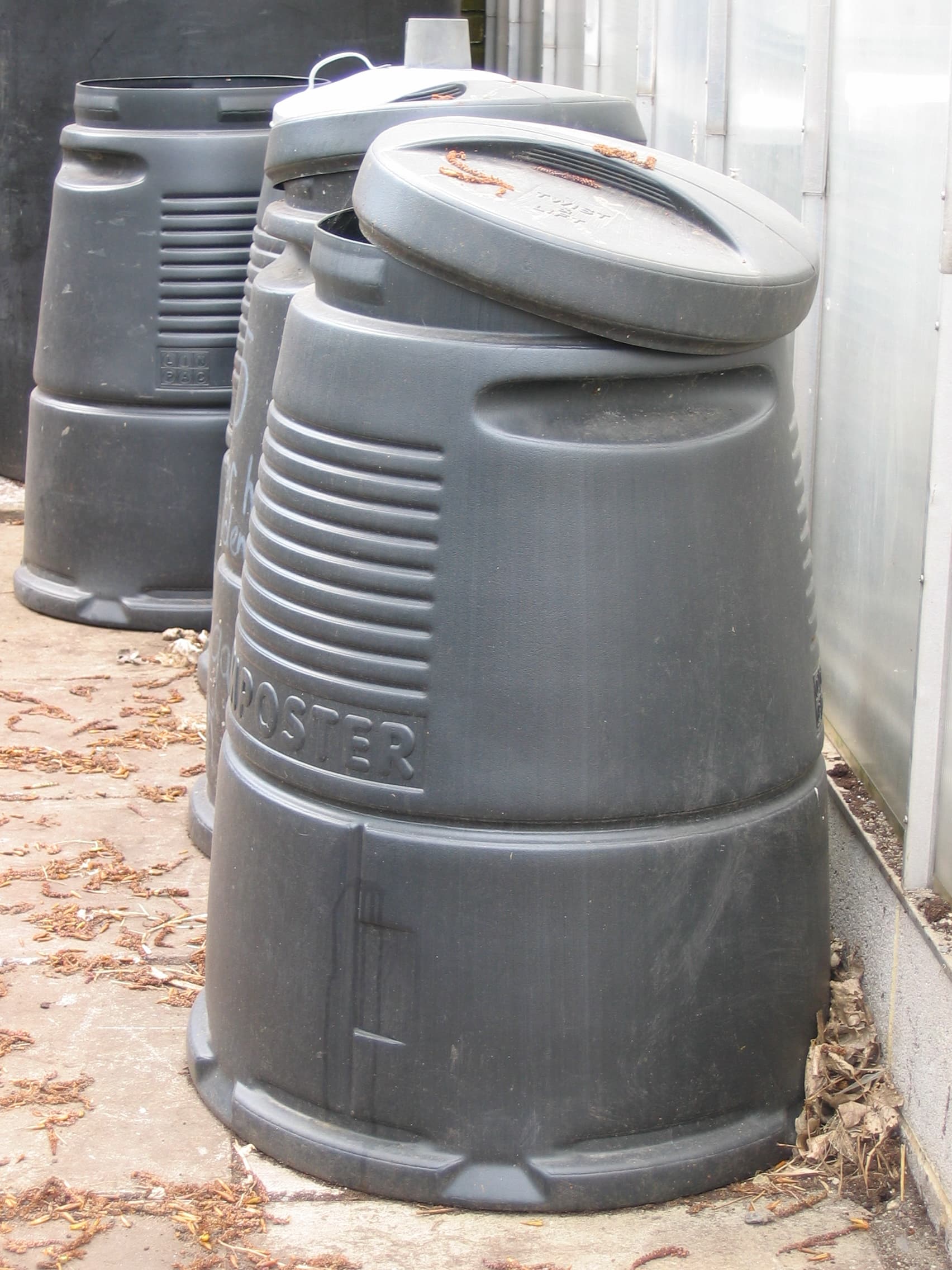
Food waste makes up 24% of what goes into US landfills, where it generates methane — a greenhouse gas 80x more potent than CO2 over 20 years. A basic countertop compost bin costs $20-40. A backyard tumbler runs $80-150. The payoff? Free nutrient-rich soil amendment worth $30-50 per bag at garden centers. The average household generates 400 pounds of compostable waste per year. That's 400 pounds diverted from landfills and converted into garden gold. Cities like San Francisco and Seattle now mandate composting.

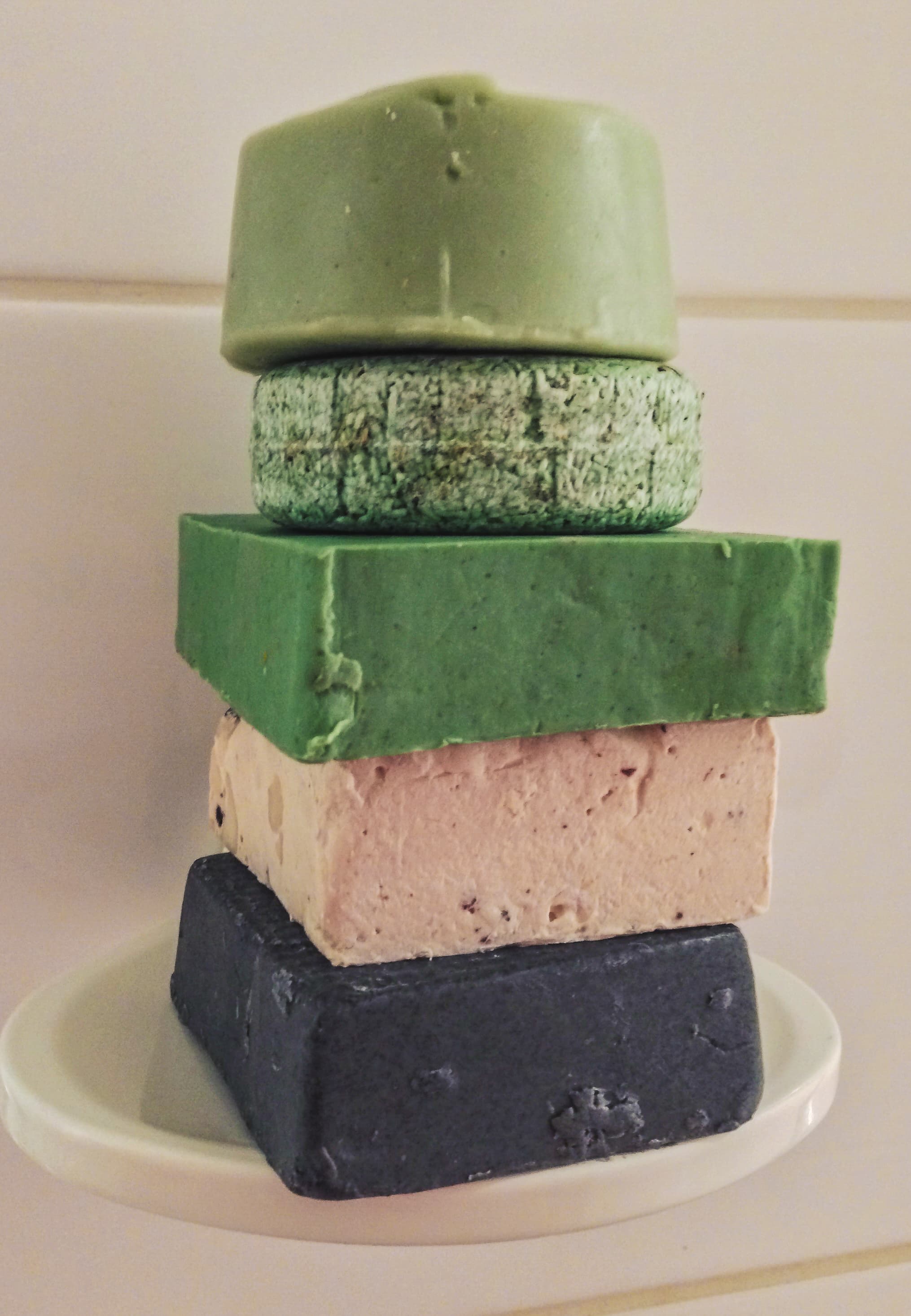
Liquid soap and shampoo are mostly water — you're paying to ship water in plastic bottles. A $5-12 shampoo bar from brands like Ethique or HiBAR lasts as long as 2-3 bottles of liquid shampoo ($8-15 each). That's $10-30 saved per bar while eliminating 2-3 plastic bottles. Globally, 552 million shampoo bottles end up in landfills every year. Bar soap generates 25% less carbon than liquid soap in production and 40% less in packaging. The concentrated format also means less weight in shipping, cutting transport emissions by up to 50%.

Americans throw away 3 billion batteries per year, leaking heavy metals into soil and groundwater. Panasonic's Eneloop batteries can be recharged 2,100 times. A 4-pack with charger costs $18-25 and replaces 8,400 disposable batteries over its lifetime. At $0.50-1.00 per disposable AA, that's $4,200-8,400 in savings. Eneloops hold 70% of their charge after 10 years of storage — a feat no disposable can match. They're pre-charged with solar energy at the factory. The technology has been around since 2005, and there's still no better rechargeable on the market.
The most-voted lists across every category — curated weekly. Join the early readers.
No spam. One email per week. Unsubscribe anytime.


Create a free account or sign in to join the discussion.
Sign in to join the conversation
Top 10 Best Cities in the World to Live In 2026 — Quality of Life Ranked and Explained
Top 10 Best Resale & Secondhand Shopping Platforms
Top 10 Best Grocery Delivery ServicesExplore more Lifestyle rankings on Top10Grid
Because you're viewing Lifestyle

Americans throw away 50 billion plastic water bottles per year. A Hydro Flask costs $30-45 and lasts a decade. At $2 per bottled water, it pays for itself in under a month if you're buying daily. The vacuum insulation keeps drinks cold for 24 hours or hot for 12, which is more than any disposable has ever managed. Hydro Flask became a cultural phenomenon in 2019 when VSCO girls turned it into a status symbol — but the math worked long before TikTok noticed.

Disposable razors generate over 2 billion units of plastic waste annually in the US alone. A stainless steel safety razor costs $25-40 upfront, and replacement blades run about $0.10 each — compared to $3-6 per cartridge for Gillette or Schick. Over five years, you save roughly $500 and keep hundreds of plastic cartridges out of landfills. The shave is objectively better too. Your grandfather knew this. The disposable razor industry just spent 50 years convincing you he was wrong.

The average American family uses 2,200 paper napkins per year. At $0.02-0.05 each, that's $50-110 annually thrown straight in the trash. A set of 12 cloth napkins costs $15-30 and lasts 5+ years with regular washing. The cost per use drops to fractions of a penny. They also look better on your table, absorb more, and don't disintegrate mid-meal. The environmental math is even simpler: 571,230 tons of paper napkins hit US landfills annually.

Americans use enough plastic wrap each year to shrink-wrap Texas. Bee's Wrap, the pioneer of beeswax food wraps, offers reusable alternatives that last about a year with proper care. A $18 variety pack replaces roughly 1,500 feet of plastic wrap. They're made from organic cotton, beeswax, jojoba oil, and tree resin — and when they finally wear out, they're fully compostable. The warmth of your hands molds them around bowls and food. It's old technology repackaged for modern guilt.

The world uses 5 trillion plastic bags per year. That's 160,000 bags per second. A sturdy reusable grocery bag costs $1-5 and replaces 500+ single-use bags over its lifetime. Many stores now charge $0.10-0.25 per disposable bag, so the savings are immediate and compounding. The key is actually remembering to bring them — which is why keeping them in your car trunk works better than any environmental lecture. Some estimates suggest each reusable bag saves 22,000 gallons of water over its lifecycle compared to the paper bags it replaces.

A single menstruating person uses approximately 11,000 disposable pads or tampons in their lifetime. At $7-10 per box monthly, that's roughly $3,000-5,000 over a lifetime. A DivaCup costs $30-40 and lasts up to 10 years. One cup replaces 2,400 tampons. The environmental impact is staggering: disposable menstrual products generate 200,000 tons of landfill waste annually in the US. Medical-grade silicone means no bleach, no dioxins, no fragrance chemicals against sensitive tissue.

LED bulbs use 75% less energy than incandescent bulbs and last 25 times longer. A $2-5 LED bulb lasts 25,000 hours compared to 1,000 for incandescent. The Department of Energy estimates switching your entire home to LEDs saves $225 per year on electricity. By 2027, widespread LED adoption in the US could save the equivalent annual output of 44 large power plants. The light quality argument died years ago — modern LEDs offer warm tones indistinguishable from incandescent. This is the rare swap with literally zero downsides.

Food waste makes up 24% of what goes into US landfills, where it generates methane — a greenhouse gas 80x more potent than CO2 over 20 years. A basic countertop compost bin costs $20-40. A backyard tumbler runs $80-150. The payoff? Free nutrient-rich soil amendment worth $30-50 per bag at garden centers. The average household generates 400 pounds of compostable waste per year. That's 400 pounds diverted from landfills and converted into garden gold. Cities like San Francisco and Seattle now mandate composting.

Liquid soap and shampoo are mostly water — you're paying to ship water in plastic bottles. A $5-12 shampoo bar from brands like Ethique or HiBAR lasts as long as 2-3 bottles of liquid shampoo ($8-15 each). That's $10-30 saved per bar while eliminating 2-3 plastic bottles. Globally, 552 million shampoo bottles end up in landfills every year. Bar soap generates 25% less carbon than liquid soap in production and 40% less in packaging. The concentrated format also means less weight in shipping, cutting transport emissions by up to 50%.

Americans throw away 3 billion batteries per year, leaking heavy metals into soil and groundwater. Panasonic's Eneloop batteries can be recharged 2,100 times. A 4-pack with charger costs $18-25 and replaces 8,400 disposable batteries over its lifetime. At $0.50-1.00 per disposable AA, that's $4,200-8,400 in savings. Eneloops hold 70% of their charge after 10 years of storage — a feat no disposable can match. They're pre-charged with solar energy at the factory. The technology has been around since 2005, and there's still no better rechargeable on the market.

Top 10 Best Grocery Delivery Services
87 views · 0 votes
Top 10 Most Common Dreams and What They Mean
177 views · @admin

Top 10 YouTube Channels to Watch for Personal Finance & Investing in 2026
148 views · @admin
Top 10 Richest People in the World 2026
85 views · @admin

Top 10 Taiwan Tech Companies in 2026
74 views · @admin

Top 10 Sneakers That Changed Culture Forever
66 views · @admin
Top 10 Red Carpet Moments That Broke the Internet
62 views · @admin
If you liked this, you might love these


Top 10 Best Sustainable Living Products
10 items

Top 10 Zero-Waste Brands That Walk the Talk
10 items

Top 10 Worst Personal Finance Advice
10 items
Top 10 Most Expensive Celebrity Divorces in History
10 items

Top 10 Interior Design Trends That Actually Look Good in Real Homes
10 items

Top 10 Worst Fast Fashion Brands
10 items