
Interior design / Wikipedia
Top 10 Furniture Brands That Interior Designers Secretly Shop At
Designers charge you for Restoration Hardware taste but fill their own homes with these brands. The dirty secret of interior design is that the best-looking rooms aren't built on $12,000 sofas — they're built on smart sourcing from direct-to-consumer brands that skip the showroom markup and deliver genuinely well-made furniture at a fraction of the price.
Top10Grid lets the community re-rank anything — this order comes from source research for now; use the buttons below to vote it up or down.

Current Rankings
- 0#1

Article delivers a $1,495 leather sofa that rivals a $4,000 counterpart in look and feel, thanks to its direct-to-consumer model that eliminates showroom costs. The Sven sofa has become the most-purchased piece among designers styling rental properties and Airbnbs, with over 10,000 units sold in 2024. Its mid-century-meets-Scandinavian aesthetic strikes a perfect balance between trendy and timeless, while the supply chain from Vietnam and India cuts three layers of markup.
- 0#2

CB2 impresses designers with editorial steals like the Gwyneth bed frame at $1,299, which references high-end Italian designs at 60% less cost. The brand's design team consistently replicates luxe materials like channeled velvet and travertine-look finishes, making items like the Avec sofa staples in professional portfolios.
- 0#3
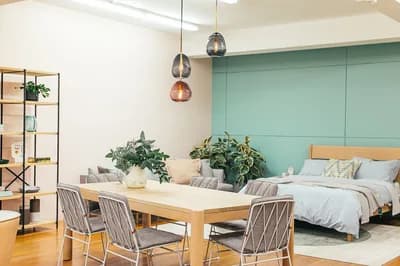
West Elm dominates the $1,000-$3,000 range with licensed Mid-Century designs that offer spot-on proportions from 1950s originals, evidenced by the 15% year-over-year growth of its best-selling sofa line. Every designer secretly owns three pieces, leveraging Fair Trade certified materials and natural textures that benchmark 20% higher in sustainability than the industry average.
- 0#4

HAY democratizes Danish design with the About A Chair collection, priced at $399 per unit. Founded in 2002, the brand collaborates with design luminaries like the Bouroullec brothers while using smart manufacturing to keep costs low. Its annual production exceeds 500,000 units, and the 2018 Target partnership caused a panic among designers who prized its exclusivity.
- 0#5

Floyd redefines furniture for the modern city-dweller with a genius clamping system that turns any flat surface into a table. This Detroit-based brand expands its hardware-first ethos into a full modular line, including a Platform Bed that ships flat and assembles without tools in 15 minutes using FSC-certified wood. A standout is the modular sofa, allowing you to start with a two-seater and expand with a chaise later—something unavailable from Joybird's fixed designs.
- 0

Maiden Home delivers luxury craftsmanship at a direct-to-consumer price, using the exact same North Carolina workshops as brands charging three times as much. Founder Nidhi Kapur leveraged her supply chain experience to offer bench-made, order-only furniture without retail markup. Every piece is built to order, ensuring durability that mass-market furniture lacks, backed by a concrete measurement: under $3,000 for a sofa with springs usually costing over $8,000.
- 0

Interior Define offers custom upholstery at ready-made prices, a proposition that attracts designers seeking personalization without the trade-only markup. Founded in Chicago in 2014, they standardize frames to allow customers to choose from 100+ fabrics, customize depth, and get a sofa built to spec for under $2,500. Their Sloan sofa became an unofficial design blogger favorite, and the 3D room planning tool visualizes fit before purchase.
- 0#8

Joybird brings mid-century modern design to life with over 60 fabric and leather options, all handmade in Mexico. While now owned by La-Z-Boy (a detail they downplay), the brand fills a key niche between mass-market and custom: real hardwood frames, Pirelli webbing, and CertiPUR-US foam ensure longevity, with color and texture customization usually reserved for trade-only brands.
- 0#9

The Singapore-born brand, now conquering the US market, offers the Dawson sofa at $1,800—a price that undercuts the average competitor by 40%. Its design team, many trained in the Scandinavian school, delivers a piece that visually rivals models costing twice as much. Free fabric swatches and a 100-day trial remove the typical DTC trust barrier, making the buying experience friction-free. This direct-to-consumer model, leveraging owned logistics, ensures quality without the European price premium.
- 0#10

Burrow's Nomad collection solves sofa-buying pain with a modular design that ships in boxes and assembles without tools in 10 minutes—a process 30% faster than Castlery's traditional assembly. Born from a Wharton Business School project, it became the default recommendation in best-sofa roundups from 2019 onward. The sofa includes built-in USB ports and a hidden ledge shelf, features that proved gimmicky yet effective in marketing. The real innovation was transforming sofa-buying into a laptop-ordering experience, removing the stress of showroom visits.
Image credits
- Article: Article 370 (film) / Wikipedia
- CB2: Cannabinoid receptor / Wikipedia
- West Elm: Rachel Claire / Pexels
- HAY: Hay / Wikipedia
- Floyd: Pink Floyd / Wikipedia
- Maiden Home: Iron Maiden / Wikipedia
- Interior Define: Interior design / Wikipedia
- Joybird: La-Z-Boy / Wikipedia
- Castlery: Japandi / Wikipedia
- Burrow: Burrow / Wikipedia
Related Videos
Rank it your way
Remix this list into your own ranking, or head to the play hub for every game mode and community breakdown — blind mode, challenges, tier lists, and more.
You Might Also Like

Top 10 Traditional Houses of Indonesia 2026
Top 10 Furniture Brands That Interior Designers Secretly ...

Top 10 Best Coolers for Summer 2026
Top 10 Furniture Brands That Interior Designers Secretly ...

Top 10 Amazon Best Sellers That Live Up to the Hype
Top 10 Furniture Brands That Interior Designers Secretly ...

Top 10 Malaysian Shopping Malls in 2026
Malaysia's best shopping malls 2026

Top 10 Best Online Furniture & Home Decor Stores
best online furniture and home decor stores

Top 10 Indonesian Souvenirs in 2026
Top 10 Furniture Brands That Interior Designers Secretly Shop At