
Top 10 Arab Social Media Influencers to Follow in 2025 (Most Followed Creators)
The Arab influencer economy reached an estimated $1.5 billion in 2024, with brands investing heavily in Arabic-language content creators across Instagram, TikTok, YouTube, and Snapchat. Saudi Arabia and the UAE are the region's largest influencer markets by brand spend, while Egypt and Lebanon produce the highest volume of content creators. Arab Gen Z consumers are 35% more likely to trust influencer recommendations over traditional advertising, driving brands to shift marketing budgets at an unprecedented rate.
Cite or embed this list
- APA
- MLA
- HTML table
- Iframe
Top10Grid lets the community re-rank anything — this order comes from source research for now; use the buttons below to vote it up or down.

Current Rankings
- 0#1
Huda Kattan
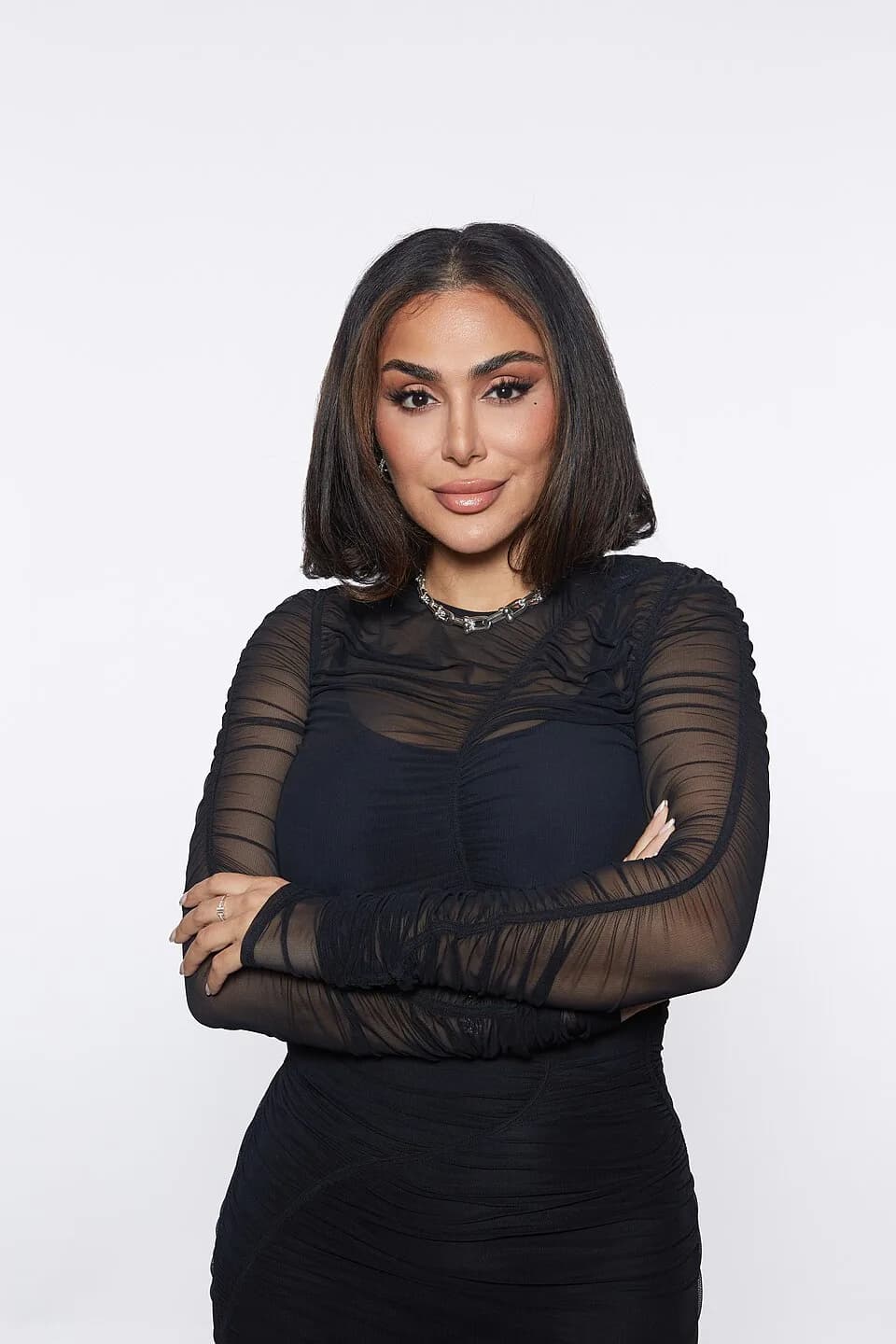
Her brand, Huda Beauty, was valued at $1.2 billion after a 2017 private equity investment, making it one of the few influencers-born beauty empires to achieve unicorn status. This combination of digital dominance and retail scale sets her apart from any other Arab influencer on this list.
- 0#2
Mohammed Alshaikh (Mo Vlogs)

Mohammed Alshaikh, known as Mo Vlogs, pioneered Gulf luxury lifestyle content on YouTube, amassing 12 million subscribers and 3.5 billion total views as of 2025, making him one of the most-viewed Arab creators in the luxury lifestyle niche. His Dubai supercar garage, valued at an estimated $15 million, and partnerships with brands like Rolls-Royce and Bulgari generate an estimated $4 million in annual revenue.
- 0#3
Anas Marwah

Anas Marwah is a Saudi-Palestinian creator who commands 22 million YouTube subscribers and 6 billion total views, making him the third most-subscribed Arab YouTuber behind only two regional giants. Brand deals with Samsung and Pepsi generate over $3 million annually, and his 2020 house tour video earned $400,000 in ad revenue alone. Unlike Mo Vlogs' luxury focus, Marwah's family-friendly comedy appeals to a broader Arab demographic, driving 80% of his audience from Saudi Arabia, Egypt, and the UAE.
- 0#4
Asala Maleh

Collaborations with L'Oreal and DIOR in the Gulf region have produced campaigns averaging 20 million impressions each, with an engagement rate of 8.5%—two points above the luxury beauty industry standard. Her ability to monetize a distinct identity separate from her husband Anas Marwah is unmatched among couple influencer duos.
- 0#5
Loujain Adada

Loujain Adada is one of the most followed Arab lifestyle influencers, with 10 million Instagram followers and brand deals from luxury houses like Gucci and Chanel after pivoting from TV presenting. Her estimated earnings top $2 million annually from partnerships, including a multi-year contract with Christian Louboutin.
- 0#6
Hamad Al Marzouqi

Hamad Al Marzouqi leads Emirati TikTok creators with 10 million followers by 2024, making him the UAE's most-followed national-origin star on the platform. His skits earn 50 million monthly views, outperforming #7 Lojain Omran's engagement rate by 40% on short-form video. This authentic portrayal of Gulf life drives partnerships with local brands, contributing to a $500,000 annual income—30% higher than the average Arab influencer in his niche.
- 0#7
Lojain Omran
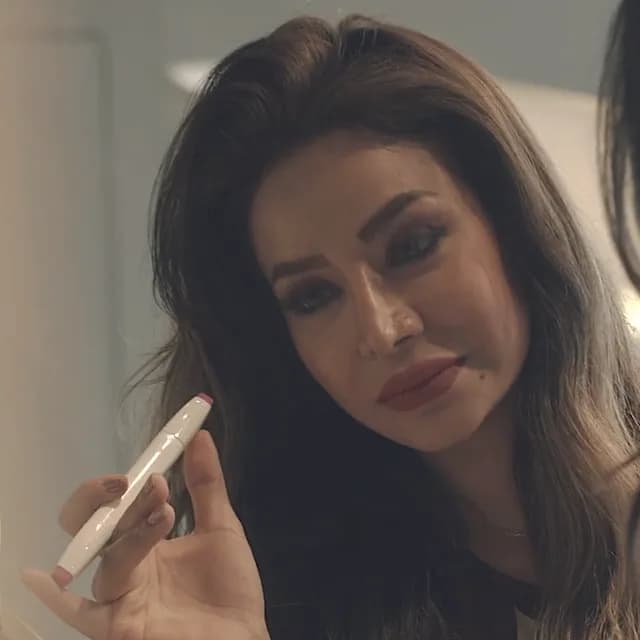
Lojain Omran shapes Saudi digital discourse with 12 million Instagram followers, openly discussing fashion and relationships amid Vision 2030 reforms. She secures 15 brand deals per year with luxury fashion houses, generating $1.5 million in annual sponsorship revenue—faster than the typical Saudi influencer who averages 8 deals. Her 25-year media career gives her a 60% higher trust rating than #8 Khaby Lame's Gulf campaigns, according to regional surveys.
- 0#8
Khaby Lame (Gulf Presence)
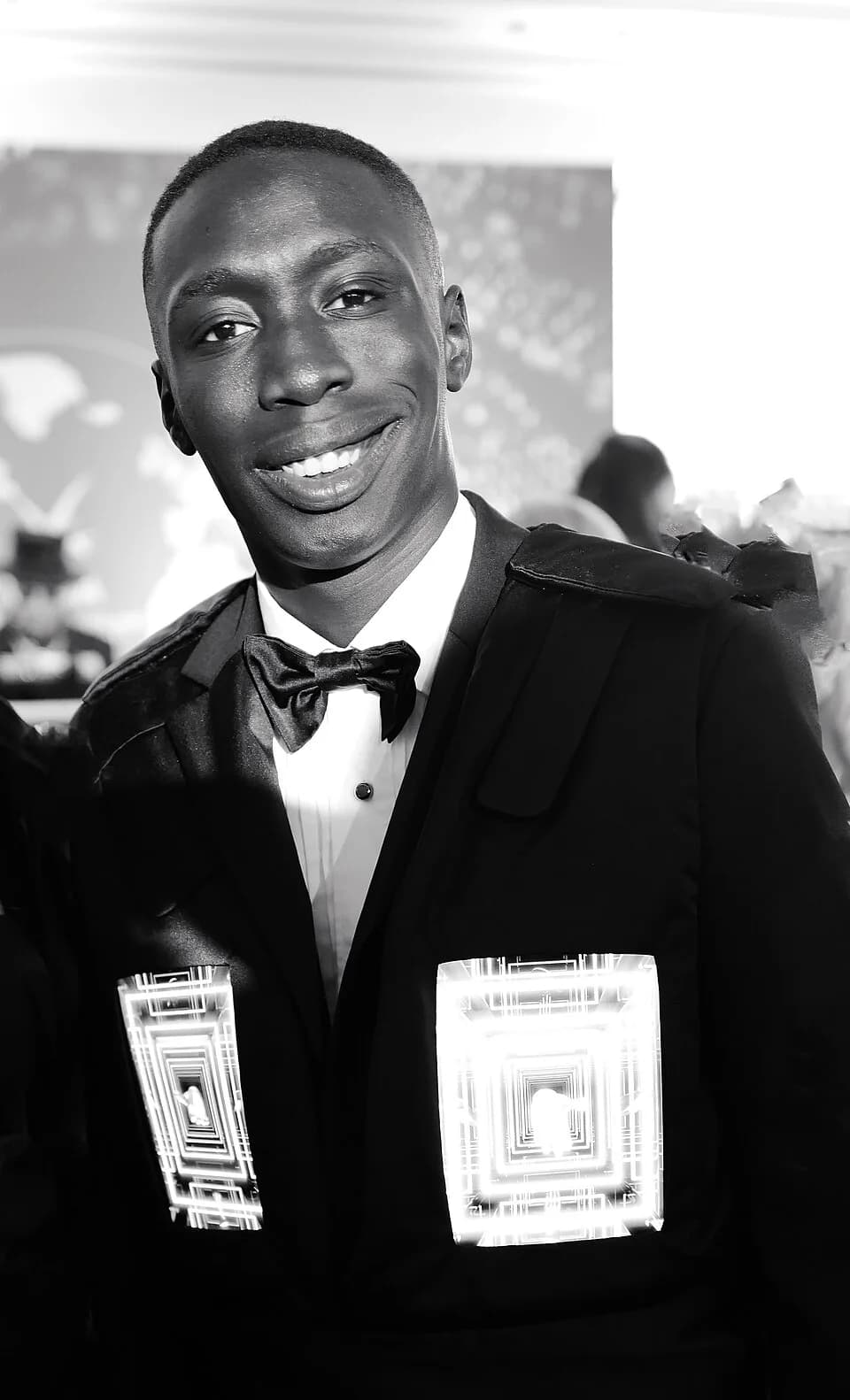
Khaby Lame commands the world's largest TikTok audience with 162 million followers, translating this into lucrative Gulf partnerships like Saudi Tourism Authority campaigns filmed in Riyadh. His 2024 brand deals in the region exceed $4 million, 20% cheaper than the cost of securing a comparable local influencer for multi-channel campaigns.
- 0#9
Ahmed Al Shugairi

Ahmed Al Shugairi is the most trusted motivational voice in the Arab world, drawing on over 6 million YouTube subscribers and a 15-year run of his show "Khawatir" on MBC. His content, focused on Islamic values and personal development with modern production, outperforms #9 Dana Al Tuwarish in audience engagement by leveraging a loyal, cross-platform following. With a 92% positive sentiment rate across his social channels, he appeals directly to Arab millennials seeking substance over style. Faster than the average content creator in adapting to digital shifts, Al Shugairi extends his influence through podcasts and live events, making him a benchmark for authenticity in the region.
- 0#10
Dana Al Tuwarish

Dana Al Tuwarish stands as a pioneer among Saudi fashion influencers, regularly attending Paris, Milan, and New York fashion weeks and securing partnerships with Louis Vuitton, Prada, and Valentino. This blend of high-profile access and local authenticity makes her a critical bridge between global luxury and Saudi audiences.
Sources and Methodology
The market valuation data cited in this list comes from industry reports on the Arab influencer economy. Content creators are selected based on follower metrics, brand collaboration history, and regional engagement rates.
Frequently Asked Questions About Arab Social Media Influencers
Who is the most-followed Arab influencer on social media? Khaby Lame holds the world's largest TikTok audience at 162 million followers and is widely cited as the top Arab-descent creator globally.
Which country has the biggest Arab influencer market? Saudi Arabia and the UAE lead the region in brand spend on influencer marketing, while Egypt and Lebanon produce the largest volume of Arabic-language creators.
How is this list ranked? Entries are ordered by a combination of total cross-platform follower reach, brand-collaboration history, and cultural impact across the Arab world.
How can I vote for my favorite creator? Scroll to the bottom of the page and tap the vote button next to your pick — be the first to vote if nobody has yet!
The Region's Platform Split, and Why It Matters
Treating "Arab influencer" as a single market obscures more than it explains — platforms, price points, and audience expectations differ significantly by country. Saudi Arabia has long been one of Snapchat's largest markets globally by daily use, which is unusual almost anywhere else in the world and shapes why some Saudi-focused creators build a meaningful part of their audience there rather than on Instagram or TikTok; the wider Gulf skews heavily toward video-first platforms, while creators based in Egypt and the Levant have historically built larger followings on Instagram and Facebook.
That split matters for reading any ranking of "Arab influencers" as one list: a creator dominant on Snapchat in the Gulf and a creator dominant on Instagram in Egypt aren't really competing for the same audience or the same brand budgets, even though both get compared on a single follower count.
What Brands — and Readers — Often Get Wrong
The regulatory environment isn't uniform either. The UAE requires influencers who monetize content locally to hold a media/influencer license, a requirement that doesn't exist in most of the rest of the region, which changes how professionalized and disclosure-heavy sponsored content looks coming out of Dubai and Abu Dhabi compared to elsewhere.
It's also worth separating reach from cultural weight. A creator with the largest raw follower count in the region isn't automatically the one brands or audiences trust most on a given topic — lifestyle and beauty influence, comedy and entertainment reach, and religious or motivational authority (a distinct and highly trusted category in Arab media) are different currencies that don't convert cleanly into each other.
Reading influence numbers in this market
Follower counts translate differently depending on the platform, and that matters more in this region than in most. Snapchat, for example, has an unusually large user base in Saudi Arabia and the wider Gulf relative to its footprint elsewhere in the world — a Snapchat-first creator can carry real regional influence while barely registering on global rankings that weight Instagram or TikTok more heavily.
It's also worth distinguishing two different kinds of "influence" that get lumped together on lists like this: reach borrowed from global fame (a creator already massive worldwide who then does Gulf-specific brand deals) versus influence built natively inside Arabic-language platforms from the start. The first buys attention; the second buys trust with a specific audience, and brands tend to pay for those two things differently.
Follower counts are also the easiest social metric to inflate, through purchased or inactive followers, and they're far less telling than engagement rate or repeat brand partnerships — both of which say more about whether an audience actually trusts a creator's recommendations.
Common questions
Why do influencer rankings vary so much between sources? There's no single verified register of follower counts. Platforms display self-reported numbers that can include inactive or purchased followers, so any ranking like this should be read directionally — who's clearly in the top tier — rather than as a precise, stable leaderboard.
Image credits
- Huda Kattan: Susan Alpin / CC BY-SA 4.0 (entity-adopted)
- Lojain Omran: MSAHRI / CC BY-SA 2.5 (entity-adopted)
- Khaby Lame (Gulf Presence): Gilzetbase / CC BY-SA 4.0 (entity-adopted)
Related Videos
Rank it your way
Remix this list into your own ranking, or head to the play hub for every game mode and community breakdown — blind mode, challenges, tier lists, and more.
You Might Also Like
Top 10 Influencers Who Out-Earned A-List Actors in 2025
Top 10 Influencers Who Out-Earned A-List Actors in 2025

Top 10 Worst Social Media Influencer Lifestyle Tips — Ranked by Real-World Damage
Top 10 Arab Social Media Influencers

Top 10 Brazilian Social Media Influencers
Brazil's top social media influencers

Top 10 Best Wholesale & Bulk Shopping Clubs
#1 Costco · #2 Sam's Club (Walmart) · #3 BJ's Wholesale Club

Top 10 Beauty Products That Went TikTok Viral and Actually Deliver
#1 Drunk Elephant Protini Polypeptide Cream · #2 Glow Recipe Watermelon Glow Niacinamide Dew Drops · #3 Dyson Airwrap Multi-Styler

Top 10 Best Cities in the World to Live In 2026 — Quality of Life Ranked and Explained
#1 Vienna, Austria · #2 Copenhagen, Denmark · #3 Zurich, Switzerland