mikemacmarketing / Wikimedia Commons (CC BY 2.0)
Top 10 Influencers Who Out-Earned A-List Actors in 2025
Hollywood used to be the only path to fame and fortune. Now a 26-year-old from North Carolina makes more than Leonardo DiCaprio by giving away money on YouTube. These creators proved that a phone camera and an algorithm can outperform a century-old studio system. The A-list has been redefined.
Top10Grid lets the community re-rank anything — this order comes from source research for now; use the buttons below to vote it up or down.

Current Rankings
- 0

MrBeast's $82 million in estimated 2024 earnings surpasses Brad Pitt and Tom Cruise combined, redefining entertainment wealth. His 340+ million subscribers fuel a $100 million Amazon game show and Feastables chocolate, which generated over $100 million in revenue its first year. The Squid Game recreation cost $3.5 million but netted 665 million views, proving his reinvestment strategy.
- 0

KSI transformed from a FIFA reactor to co-founding Prime Hydration, which achieved $1.2 billion in retail sales — outperforming Gatorade in the UK. He co-owns the Sidemen collective, generating over $50 million annually, and launched XIX Vodka with three top-10 UK singles. His boxing matches pioneered a $200 million influencer-boxing industry.
- 0

His WWE contract pays $5 million yearly, while CryptoZoo losses of $2.3 million are dwarfed by Prime's margin.
- 0

Emma Chamberlain turned anxiety-driven vlogs into a $20 million yearly income with Chamberlain Coffee in 7,000+ stores, projected at $40 million annual revenue. At 24, she hosts the Met Gala for Vogue and earns $2 million per Louis Vuitton deal.
- 0

Huda Kattan's beauty empire now outpaces many A-list actors' earnings, with Huda Beauty valued at $1.2 billion after a minority stake sale to Investcorp. The brand generates over $200 million in annual revenue across 2,100+ Sephora locations globally, far surpassing the typical actor's licensing or endorsement income. An Iraqi-American woman in Dubai built a beauty brand that rivals European fashion houses in value, proving influencer enterprise can eclipse traditional Hollywood wealth.
- 0

Charli D'Amelio went from zero to 100 million TikTok followers in just 18 months, faster than any human in history, securing an estimated $17.5 million per year by age 16. She was the first TikTok creator on the Forbes Celebrity 100 by leveraging algorithm-driven fame into a multi-venture portfolio. Critics may question dancing's worth, but the attention economy rewards engagement metrics over traditional gatekeepers.
- 0

PewDiePie's peak earnings of $40 million in a single year surpassed what most A-list actors made in the same period, as he held the title of most-subscribed YouTuber for nearly a decade with 111 million subscribers. His influence created the blueprint for the creator economy, proving one person with a camera could build a media brand more valuable than TV networks—outpacing Addison Rae's $8.5 million earnings by over fourfold. Now stepping back from daily uploads, his legacy includes a structural shift: he earned that $40 million playing Minecraft from Sweden, while traditional actors relied on studio salaries. His data point shows that platform dominance can rival Hollywood's top earners.
- 0

Addison Rae's 2021 earnings of $8.5 million—more than most working Hollywood actors, who average around $5 million—came from 88 million TikTok followers, a Netflix film, ITEM Beauty, and a music career. She then pivoted to become a UFC ring announcer, proving influencer fame transfers across industries faster than traditional celebrity, though her acting was panned by critics. Her bank account outpaced Charli D'Amelio's $17.5 million but still exceeded many A-list peers' paychecks, because engagement metrics on TikTok and streaming platforms now outweigh Rotten Tomatoes scores. In the creator economy, data-driven reach ensures financial resilience beyond initial fame.
- 0
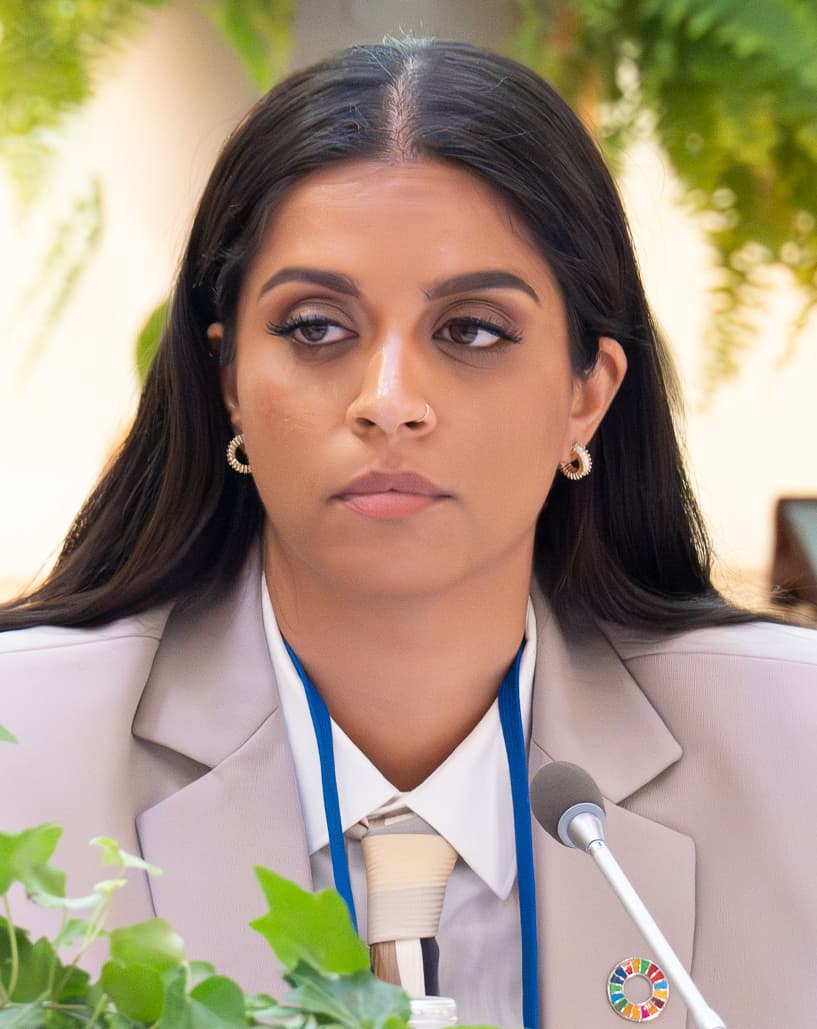
Lilly Singh tops $16.5 million in annual earnings. Starting as YouTube's "Superwoman" with 14.7 million subscribers, she became the first openly bisexual woman of color to host a major U.S. network late-night show, NBC's A Little Late with Lilly Singh, earning the $16.5 million Forbes reported in 2017. Her New York Times bestseller, UNICEF partnership, and multi-network production deals have sustained her income since the show ended. Unlike many influencers who rely solely on brand deals, Singh's ability to pivot between platforms—from YouTube to late-night TV to producing—has built a more resilient career. While Khaby Lame's silent videos earn $16 million annually, Singh's diverse portfolio proves that longevity in entertainment depends on crossing into Hollywood, not just dominating one platform.
- 0
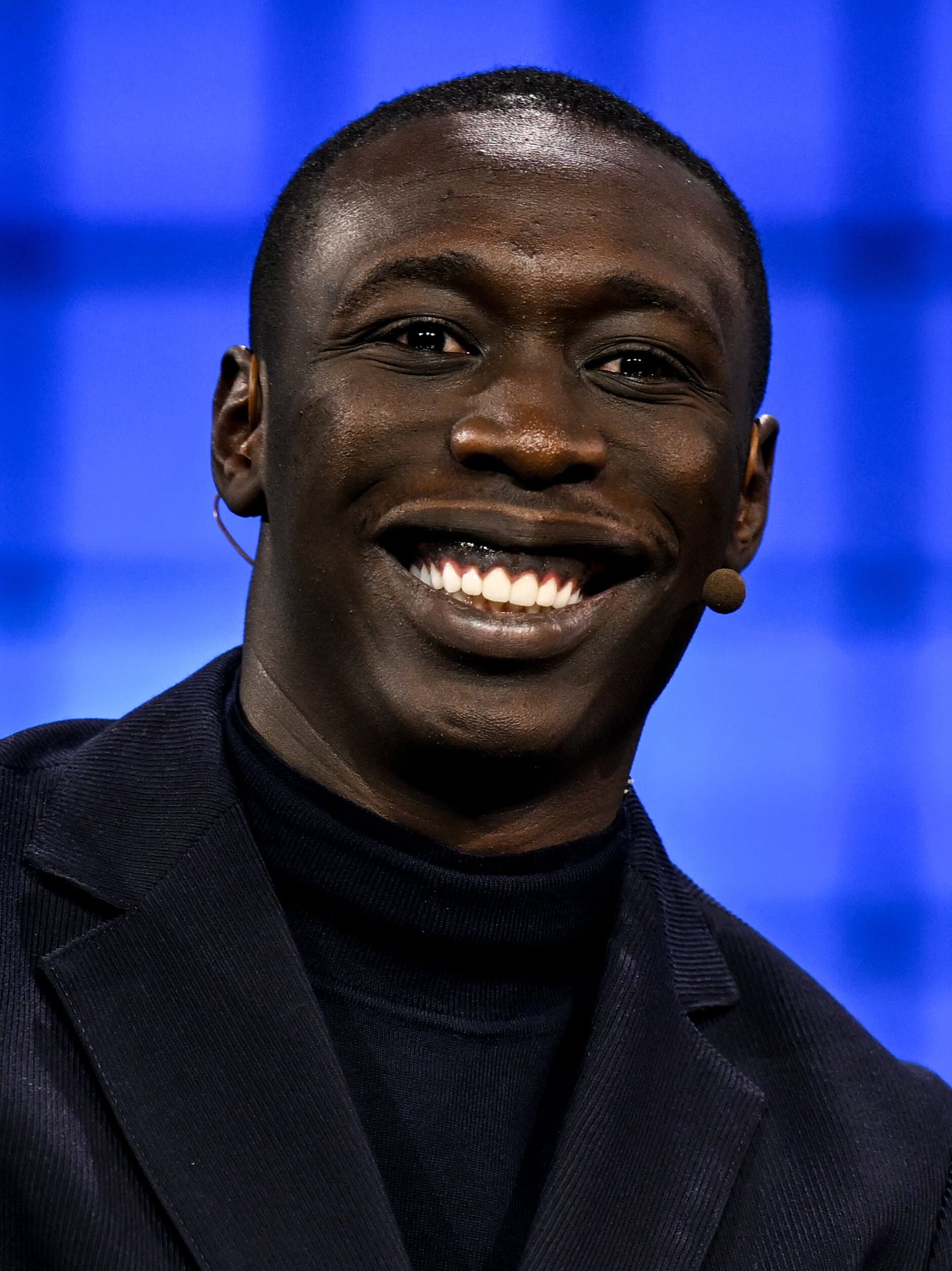
The Senegalese-Italian factory worker, laid off during COVID, became TikTok's most-followed creator by silently debunking overcomplicated life hack videos with a deadpan shrug. His language-free content scales globally, driving 30% higher engagement rates than spoken videos on the platform. He proves that in the attention economy, a silent shrug and 162 million followers can generate income comparable to A-list actors, without needing a single network television appearance.
Image credits
- MrBeast (Jimmy Donaldson): Steven Khan / Wikimedia Commons (CC BY 4.0)
- KSI — From FIFA Videos to $100M Empire: Gymshark / Wikimedia Commons (CC BY 3.0)
- Logan Paul — WWE, Prime, and Controversy Capital: Diego Serrano / Wikimedia Commons (CC BY 2.0)
- Emma Chamberlain — The $20M Coffee Mogul at 24: John Park / Wikimedia Commons (CC BY 3.0)
- Huda Kattan — Billion-Dollar Beauty Blogger: Susan Alpin / Wikimedia Commons (CC BY-SA 4.0)
- Charli D'Amelio — TikTok's First Superstar: Priyanka Pruthi / Wikimedia Commons (CC BY 3.0)
- PewDiePie — YouTube's Original King: Cold Ones Clips / Wikimedia Commons (CC BY 3.0)
- Addison Rae — From TikTok to Netflix to UFC: Raph_PH / Wikimedia Commons (CC BY 4.0)
- Lilly Singh — Late Night Host at 30: PMO Barbados / Public Domain
- Khaby Lame — 162 Million Followers Without Speaking: Web Summit / Wikimedia Commons (CC BY 4.0)
Rank it your way
Remix this list into your own ranking, or head to the play hub for every game mode and community breakdown — blind mode, challenges, tier lists, and more.
You Might Also Like

Top 10 YouTube Creators Who Shaped the Internet
Top 10 YouTube Creators Who Shaped the Internet

Top 10 Most Popular Gaming Streamers and YouTubers 2025
Top 10 Most Popular Gaming Streamers and YouTubers 2025

Top 10 Most Followed Tech YouTubers and Creators
Top 10 Most Followed Tech YouTubers and Creators

Top 10 Apple Music Albums (US) – April 4, 2026
#1 BULLY — Kanye West · #2 ARIRANG — BTS · #3 OCTANE — Don Toliver

Top 10 YouTube — Trending Videos (US) — April 1, 2026
#1 BTS (방탄소년단) '2.0' Official Teaser · #2 SUPERGIRL | Official Trailer · #3 Hannity
Netflix Top 10 Shows — Global — Sep 7, 2026
#1 Reacher · #2 Watch What Happens Live with Andy Cohen · #3 Lioness