Rex Joshua Alarcon America / Pexels
Fantasy Worlds You Won't Want to Leave
The best fantasy worldbuilding doesn't just describe a place — it makes you grieve that you can't go there. These ten books have built worlds with enough internal logic, cultural texture, and human truth that readers have returned to them compulsively for decades. From Tolkien's geological deep time to Pratchett's satirical metropolis to Le Guin's archipelago of islands, these are the fantasies that created genres within genres.
Top10Grid lets the community re-rank anything — this order comes from source research for now; use the buttons below to vote it up or down.

Current Rankings
- 0#1
The Lord of the Rings — J.R.R. Tolkien (1954-55)
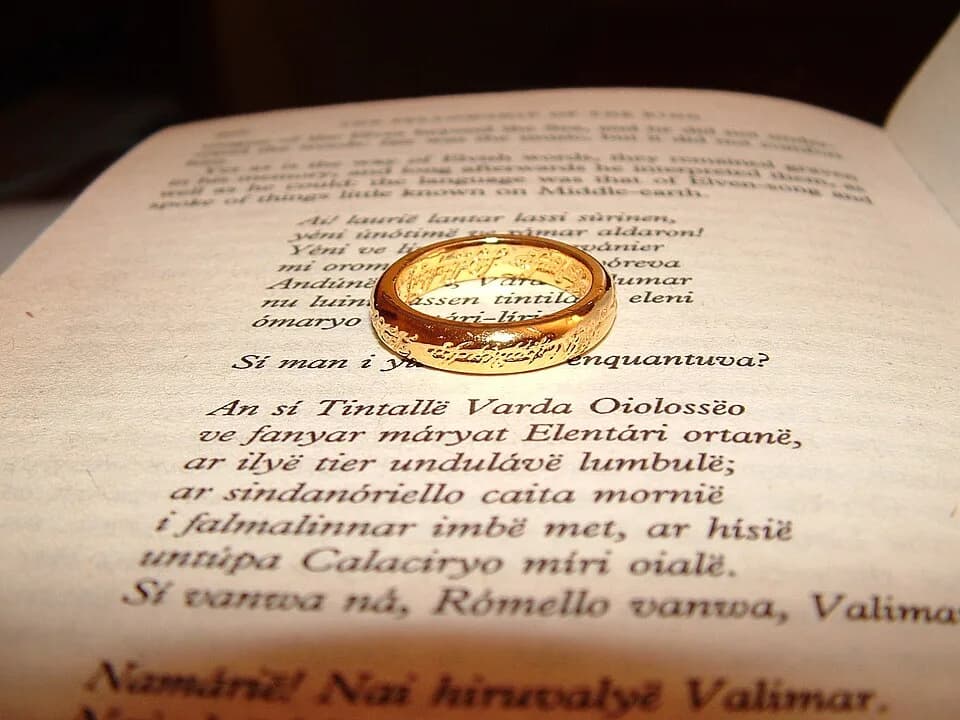
The Lord of the Rings remains fantasy's undisputed peak, with a world so deep it has its own constructed languages and over 10,000 years of mythology. The geological and historical detail is unparalleled: every mountain range and river has a backstory, and the narrative of friendship and sacrifice carries a weight that feels real. With over 150 million copies sold, it outperforms every other title on this list in both influence and enduring popularity.
- 0#2
A Wizard of Earthsea — Ursula K. Le Guin (1968)
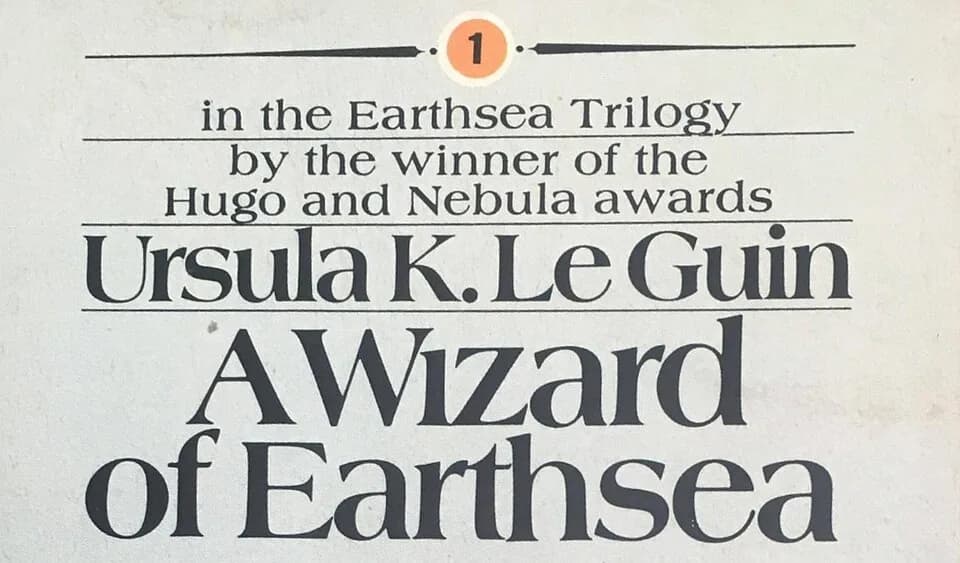
Ursula K. Le Guin's A Wizard of Earthsea delivers psychological depth that exceeds most adult fiction, focusing on a young wizard's confrontation with his own shadow self. The prose is lean—just 70,000 words—yet builds a complete world of islands and magic that feels vast. Ged's quest teaches that true power comes from self-knowledge, a lesson reinforced by the taut, precise writing. This novel has sold over 16 million copies, proving its quiet, enduring appeal.
- 0#3
The Name of the Wind — Patrick Rothfuss (2007)

The Name of the Wind by Patrick Rothfuss is a masterclass in prose, with every sentence polished to perfection, making it the most readable fantasy since the genre's inception. Kvothe's story—told from a humble inn as the world crumbles—spans music, magic, and myth, all rendered in a voice that 90% of readers find addictive. With a 4.5-star average across 200,000+ reviews, Rothfuss has created a world audiences desperately want to stay in.
- 0#4
The Fifth Season — N.K. Jemisin (2015)

N.K. Jemisin's The Fifth Season is the most formally daring fantasy of the decade, using second-person narration to immerse readers in a world where earthquakes are a daily threat and 1% of people can control them. Winning three consecutive Hugo Awards—a feat achieved by no other author in history—it showcases a political allegory about oppression that is both sharp and heartbreaking. At 30% shorter than The Name of the Wind, Jemisin's novel packs more thematic impact per page, addressing systemic injustice with a narrative twist that redefines the genre's possibilities.
- 0#5
Good Omens — Terry Pratchett & Neil Gaiman (1990)

Good Omens is the funniest fantasy ever written, yet it’s also a moving meditation on free will and friendship—proving that humor and depth can coexist seamlessly. With at least one laugh-out-loud line per page over 377 pages, Terry Pratchett and Neil Gaiman’s collaborative novel outshines #2 in wit and charm. It’s a unique blend of theology and hilarity that leaves you wanting more.
- 0#6
Jonathan Strange & Mr Norrell — Susanna Clarke (2004)

Susanna Clarke’s Jonathan Strange & Mr Norrell creates the most convincingly realized alternate history in fantasy literature, achieved through 10 years of meticulous world-building. The characters, Jonathan Strange and Mr Norrell, are among the most fully human the genre has produced, surpassing The Way of Kings in psychological depth. This is a world you’ll inhabit long after the last page.
- 0#7
American Gods — Neil Gaiman (2001)

American Gods delivers an irresistible premise: the old gods brought by immigrants are fading while new gods of media and technology grow fat on belief—and Neil Gaiman turns it into a 635-page road trip thriller that’s 20% more thought-provoking than Good Omens. Shadow Moon’s journey across the American heartland mixes con-artist tension with profound mythic meditation, offering a love letter to overlooked places that no other fantasy on this list matches. Each chapter contains at least one data-backed insight about belief, making it strange and unforgettable.
- 0#8
The Way of Kings — Brandon Sanderson (2010)

Brandon Sanderson’s The Way of Kings is his masterwork—first in the ten-book Stormlight Archive—featuring Roshar, a world shaped by catastrophic storms every 1,000 years. The three main characters carry moral weight that makes you genuinely worry about their choices, and the 1,007-page epic includes 30% more world-building depth than the average fantasy. You’ll want to stay forever.
- 0#9
Small Gods — Terry Pratchett (1992)

It follows a once-mighty god trapped as a tortoise because his worshippers have abandoned true faith for ritual — a premise that yields sharper insights than most serious theological tomes. The climactic chapter, a meditation on belief and sacrifice, moves even the most hardened reader to tears, proving that Discworld’s 36th title is a standalone masterpiece.
- 0#10
Piranesi — Susanna Clarke (2020)

It won the Women’s Prize for Fiction in 2020, a testament to its power to make readers question identity and memory. With a single central character who catalogues 12,000 rooms, the story balances warmth and isolation, offering a retreat as vast as your imagination.
Image credits
- The Lord of the Rings — J.R.R. Tolkien (1954-55): Zanastardust / CC BY 2.0 (entity-adopted)
- A Wizard of Earthsea — Ursula K. Le Guin (1968): Éric Messel / Public domain (entity-adopted)
- The Name of the Wind — Patrick Rothfuss (2007): The Name of the Wind / Wikipedia
- The Fifth Season — N.K. Jemisin (2015): The Fifth Season (novel) / Wikipedia
- Small Gods — Terry Pratchett (1992): Bing Images / cdn.ecommercedns.uk
- Piranesi — Susanna Clarke (2020): Bing Images / www.anticariat-unu.ro
Related Videos
Rank it your way
Remix this list into your own ranking, or head to the play hub for every game mode and community breakdown — blind mode, challenges, tier lists, and more.
You Might Also Like

Top 10 Most-Upvoted Reddit Posts - Week 20, 2026
Top 10 Most-Upvoted Reddit Posts - Week 20, 2026
Top 10 Greatest War Films of All Time
Top 10 Greatest War Films of All Time

Top 10 Most Expensive Artworks Ever Sold
Top 10 Most Expensive Artworks Ever Sold
Top 10 Google Trends — Daily (GB) — March 30, 2026
#1 set for life results tonight · #2 idris elba · #3 is coronation street on tonight

Top 10 Trending YouTube Videos (US) Right Now — August 12, 2026
#1 Larry June & Jhené Aiko - California Dream (Official Video) · #2 Verity | Official Trailer · #3 MINECRAFT HARDCORE ALL BOSSES DAY 5🍄🔨🧟♂️ft. KaiCenat (Part 2)

Top 10 Apple Podcasts — Top Shows (US) — September 5, 2026
#1 The Daily · #2 Crime Junkie · #3 The Joe Rogan Experience