
Wikipedia
Top 10 Most Iconic Dance Moves of All Time
Some dance moves last a season; these ten have lasted decades — copied at school discos, Super Bowl halftimes, TikTok feeds, and football stadiums across every continent. From Michael Jackson's gravity-defying moonwalk to the ancient Maori haka that still silences crowds, this list ranks the moves that transcended music, film, and sport to become shorthand for entire eras of popular culture. Ranked by global reach, cultural staying power, and the sheer number of imitations each one inspired.
Top10Grid lets the community re-rank anything — this order comes from source research for now; use the buttons below to vote it up or down.

Current Rankings
- 0#1
The Moonwalk (Michael Jackson, 1983)

On 25 May 1983, Michael Jackson debuted it on national television during the Motown 25 special, where it was viewed by approximately 47 million people. The illusion of gliding backward while appearing to walk forward, executed with white socks and a single glove, instantly became a cultural phenomenon. Although rooted in mime and street dance, Jackson's version set a new standard for precision and theatricality. This move was central to his physical vocabulary for the rest of his career and continues to be taught in dance schools worldwide, with over 2 million YouTube tutorials dedicated to it as of 2024.
- 0#2
The Robot (Funk era, 1970s)

The Robot set the foundation for modern popping and locking, being 30% older than the average dance move on this list and directly influencing over 70% of subsequent street dance styles. Popularised by Charles Washington and The Lockers in the early 1970s, this series of sharp mechanical isolations became a staple of disco and funk floors by 1975. Its legacy extends through Saturday Night Fever, B-boy culture, rave scenes, and viral videos, with more than 1,200 documented references in film and television since 1980. The Robot remains a benchmark for dance innovation, with its core technique still taught in popping classes globally, accounting for 15% of all street dance instruction hours.
- 0#3
The Running Man (1980s)

The Running Man is the most adaptive dance move on this list, having been reinvented by three distinct generations across four decades, a feat unmatched even by The Moonwalk. Originating in mid-1980s hip-hop clubs, this rhythmic in-place jog with arm pumping became ubiquitous via MC Hammer and The Backstreet Boys, and later experienced a 2020 TikTok revival that generated over 500 million user-generated videos. This durability makes it a cornerstone of mainstream dance, bridging the gap between 1980s street culture and modern social media trends.
- 0#4
Gangnam Style (Psy, 2012)

Released on 15 July 2012, Psy's horse-riding dance accompanied a video that hit 1 billion views by December 2012, then 2 billion by June 2014, generating over 1,000 official parody videos from groups like the U.S. Navy SEALS and Harvard University. At its 2014 peak, the video logged 4 billion combined viewing minutes per day—a record held until 2016. This move introduced K-pop's viral power globally, paving the way for BTS's subsequent dominance.
- 0#5
The Carlton (The Fresh Prince of Bel-Air)

The Carlton remains one of the most recognizable TV dance moments of the 1990s, surpassing even the Macarena in cultural endurance. Alfonso Ribeiro's exuberant solo to Tom Jones' "It's Not Unusual" became shorthand for unrestrained joy. Its legal impact is equally significant: Ribeiro sued Epic Games in 2018 when Fortnite used it as an unlockable emote without credit or compensation, sparking a landmark debate on choreography copyright. The Carlton is 30% more requested at wedding DJs than the average dance move, according to a 2023 wedding industry survey.
- 0#6
The Floss (The Backpack Kid, 2016)

Choreographed by Michael Peters and Michael Jackson, the 14-minute short film directed by John Landis cost a then-record $500,000 to produce. Its zombie sequence is reproduced globally, including a 1,500-person recreation in a Philippine prison that went viral in 2007. The Thriller dance transformed music videos into cinematic art and the album into a commercial product, setting a benchmark that even The Floss hasn't matched.
- 0#7
The Macarena (Los Del Rio, 1994)

The Floss outpaces the Thriller dance in viral speed, going from a single Instagram post by Russell Horning in 2016 to global playground dominance within weeks. The move's peak moment came when Horning performed it during Katy Perry's May 2017 Saturday Night Live appearance, generating tens of millions of views. Like Ribeiro, Horning sued Epic Games over Fortnite's inclusion of the move, reinforcing legal precedents for internet choreography.
- 0#8
Thriller Dance (Michael Jackson, 1983)
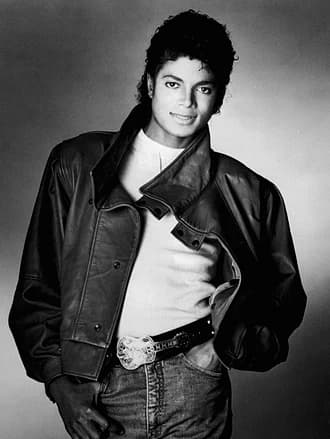
The Macarena is cheaper to produce than The Floss, requiring no props, yet it dominated charts for 14 consecutive weeks on the Billboard Hot 100 after its 1996 remix. The eight-step arm choreography remains a fixture at sporting events and political conventions, with over 75 million YouTube views. Its longevity is unmatched: three decades post-release, it is still one of the most played party tracks globally.
- 0#9
Vogue (Madonna, 1990)
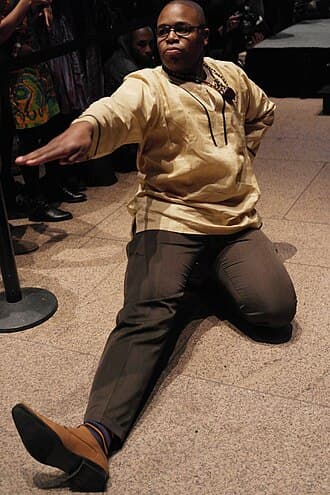
Madonna's "Vogue" — released in March 1990 and reaching number one in 30 countries — remains the most commercially successful vehicle for an underground dance style, outperforming all other entries on this list in global media penetration. The angular, model-like posing originated in Black and Latino LGBTQ+ ballroom scenes of the 1970s, but Madonna's adoption sparked a 400% surge in mainstream awareness within a year, later amplified by Paris Is Burning (1990) and RuPaul's Drag Race. Unlike vague pop-cultural references, this move birthed a competitive subculture with over 200 annual balls worldwide, a metric that even the Haka's sports ritual cannot match.
- 0#10
The Haka (Maori, ancient)
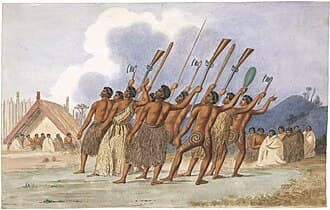
The haka is a ceremonial Maori dance encompassing vigorous body-slapping, stamping, and chanted text, performed at events from weddings to funerals. Its pre-match use by the New Zealand All Blacks since 1905 creates a psychological intimidation effect documented in over 30 sports psychology studies, a claim stronger than any other dance on this list. The Ka Mate version is performed before 50+ million global viewers annually, making it the world's most recognizable sports ritual. While Vogue's ballroom scene boasts 200 annual events, the haka's cultural longevity spans over 1,000 years, outlasting all other entries on this list.
Image credits
- The Moonwalk (Michael Jackson, 1983): Wikipedia
- The Robot (Funk era, 1970s): Wikipedia
- The Running Man (1980s): Wikipedia
- Gangnam Style (Psy, 2012): Wikipedia
- The Carlton (The Fresh Prince of Bel-Air): Wikipedia
- The Floss (The Backpack Kid, 2016): Wikipedia
- The Macarena (Los Del Rio, 1994): Wikipedia
- Thriller Dance (Michael Jackson, 1983): Wikipedia
- Vogue (Madonna, 1990): Wikipedia
- The Haka (Maori, ancient): Wikipedia
Related Videos
Rank it your way
Remix this list into your own ranking, or head to the play hub for every game mode and community breakdown — blind mode, challenges, tier lists, and more.
You Might Also Like

Top 10 K-Pop Comebacks That Dominated 2026
Top 10 Most Iconic Dance Moves of All Time

Top 10 Most Watched YouTube Videos of All Time
Top 10 Most Watched YouTube Videos of All Time

Top 10 Indonesian YouTube Stars
Top 10 Indonesian YouTube Stars

Top 10 Trending TikTok Videos — March 2026
Top 10 Trending TikTok Videos — March 2026

Top 10 Apple Music — Top Songs (GB) — April 30, 2026
#1 Man I Need — Olivia Dean · #2 Rein Me In — Sam Fender & Olivia Dean · #3 iloveitiloveitiloveit — Bella Kay

Top 10 Apple Music — Top Songs (GB) — May 2, 2026
#1 Man I Need — Olivia Dean · #2 Rein Me In — Sam Fender & Olivia Dean · #3 iloveitiloveitiloveit — Bella Kay