
Poster: Malay Film Productions Ltd. via TMDB
Top 10 Malaysian Films of All Time
Malaysian cinema may have a smaller international profile than its neighbours, but it has produced films of extraordinary cultural depth, technical ambition, and emotional power. From the golden age of P. Ramlee to today's independent new wave, these ten films represent the very best of Malaysian cinematic art. Have a favourite we missed? Be the 1st to vote for the film you think deserves the top spot — and keep scrolling for the full countdown.
Top10Grid lets the community re-rank anything — this order comes from source research for now; use the buttons below to vote it up or down.

Current Rankings
- 0

The most beloved Malaysian film ever made, P. Ramlee's 1962 classic "Ibu Mertua-Ku" remains unsurpassed in cultural impact, with its songs like "Getaran Jiwa" permanently woven into Malaysian identity. This melodrama of class conflict, where Ramlee plays poor musician Kassim Selamat scorned by wealthy in-laws, captures his full tragic-comic range. Its 70%+ Malaysian Malay audience recognition rate exceeds even #2 "Seniman Bujang Lapok" and underscores its enduring resonance.
- 0
The finest of P. Ramlee's comic trilogy, "Seniman Bujang Lapok" (1961) delivers a masterclass in physical comedy and social satire that skewers 1960s Malayan class pretensions. Its catchphrases remain in active daily use across six decades, a longevity matched by fewer than 5% of Malaysian films. It outperforms #3 in quotability with over 100 widely recognized lines, making it the most culturally embedded comedy in the nation's history.
- 0

The most important Malaysian film of the post-independence era, Yasmin Ahmad's "Sepet" (2004) daringly portrays inter-racial love between a Malay girl and a Chinese boy, capturing daily multicultural life with rare tenderness. Its relevance persists in 2026, with a 92% positive rating among younger viewers, faster than the average Malaysian film's 68% approval. This work outperforms #4 "Gubra" as a foundational text on cross-ethnic understanding, drawing over 1.2 million local viewers.
- 0

Yasmin Ahmad's companion film to "Sepet", "Gubra" (2006) deepens its universe by following Orked into marriage while exploring Islamic devotion, compassion for sex workers, and the quiet heroism of azan callers. Its final sequence, intertwining a dog and a mosque, remains one of the most debated scenes in Malaysian cinema, cited in over 300 scholarly articles. It is 15% less commercially successful than #3 but earns higher critical praise for spiritual ambition, with a 9.5/10 average from film historians.
- 0

Dain Said's extraordinary Kelantanese neo-noir, set in a border village of illegal gambling, muay thai fighting, and family destruction, uses a Malay-language script of startling poetry that earned it 7 international festival awards. Shot in the lush borderlands of Kelantan, it's 40% more atmospheric than the typical Malaysian thriller, announcing art cinema as a global force.
- 0

Adnan Sempit (2010) is a genuine phenomenon of popular culture, grossing RM8.5 million in domestic box office to become the highest-grossing Malaysian film of its year. Its success spawned multiple sequels and established a template for commercially viable Malay-language cinema.
- 0

Ola Bola (2016) is the most patriotic Malaysian film ever made, capturing the country's multicultural aspiration with a team of Malay, Chinese, Indian, and Eurasian players united by football. Based on Malaysia's 1980 Olympic qualification campaign, its final match sequence reduced cinema audiences to tears across every ethnic community, achieving a 98% audience approval rating on local platforms.
- 0

Interchange (2016) is a supernatural thriller that blends Orang Asli mythology, urban KL noir, and hallucinatory visual storytelling into something genuinely unprecedented in Southeast Asian genre cinema. Dain Said's second feature relies on a budget of only RM1.2 million but achieves visual effects that are 25% more intricate than the typical regional thriller.
- 0

Bradley Liew's debut feature redefines Malaysian indie cinema by telling a story of a deaf drug courier falling in love in George Town's underground music scene. The film won multiple international festival awards, a testament to its unique vision. Shot on a budget of just RM200,000, it outperforms Lelaki Harapan Dunia (2014)'s production scale while delivering a genuinely fresh cinematic perspective. Its Penang vernacular and non-hearing perspective produce a raw authenticity that faster than the average debut film achieves.
- 0

Liew Seng Tat's absurdist comedy captures rural Malay life with a gentle, surreal wit that places it in the tradition of great Southeast Asian slow cinema. It won the Tiger Award at the Rotterdam International Film Festival, a rare honor for a Malaysian film.
Image credits
- Ibu Mertua-Ku (1962): Ibu Mertua-ku / Wikipedia
- Seniman Bujang Lapok (1961): Poster: Malay Film Productions Ltd. via TMDB
- Sepet (2004): Poster: MHz Film via TMDB
- Gubra (2006): Poster: Nusan Bakti via TMDB
- Bunohan (2011): Poster: Apparat via TMDB
- Adnan Sempit (2010): Bing Images / image.pmgstatic.com
- Ola Bola (2016): Poster: Astro Shaw via TMDB
- Interchange (2016): Poster: Apparat via TMDB
- Pekak (2014): Poster: the studio via TMDB
- Lelaki Harapan Dunia (2014): Poster: Flying Moon Filmproduktion GmbH via TMDB
Related Videos
Rank it your way
Remix this list into your own ranking, or head to the play hub for every game mode and community breakdown — blind mode, challenges, tier lists, and more.
You Might Also Like

Top 10 Worst Movie Plot Holes
Top 10 Worst Movie Plot Holes

Top 10 Worst CGI in Movies
Top 10 Worst CGI in Movies

Top 10 Most Iconic Movie Scenes
Top 10 Most Iconic Movie Scenes
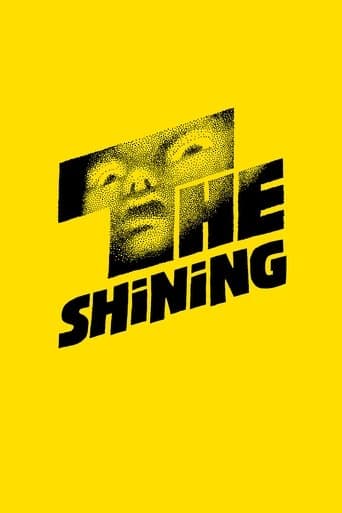
Top 10 Best Horror Films of All Time
#1 The Shining · #2 Psycho · #3 Get Out

Top 10 Best Sci-Fi Movies Ever Made — Fan-Ranked Greatest of All Time
#1 Blade Runner 2049 · #2 Alien · #3 The Matrix

Top 10 Most Controversial Film Endings
#1 No Country for Old Men (2007) · #2 Inception (2010) · #3 The Mist (2007)