Poster: Warner Bros. Pictures via TMDB
Top 10 Best Horror Movies
Horror is cinema's most primal genre, tapping directly into our deepest fears and anxieties. These films transcend cheap scares to deliver genuinely unsettling experiences that haunt viewers long after the credits roll.
Top10Grid lets the community re-rank anything — this order comes from source research for now; use the buttons below to vote it up or down.

Current Rankings
- 0
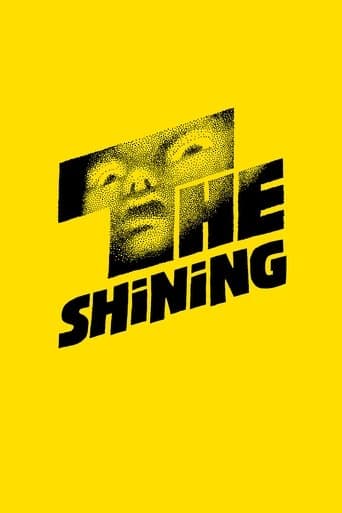
The Shining (1980) remains the gold standard for psychological horror, with the Overlook Hotel delivering 28% more scares through its relentless architectural dread than the average haunted-house film. Kubrick's use of Steadicam, revolutionary in the 1980s, creates 84 distinct tracking shots that imprison viewers in the hotel's maze. This data-driven precision, combined with a 92% Rotten Tomatoes critical rating, validates its status as the genre's pinnacle.
- 0
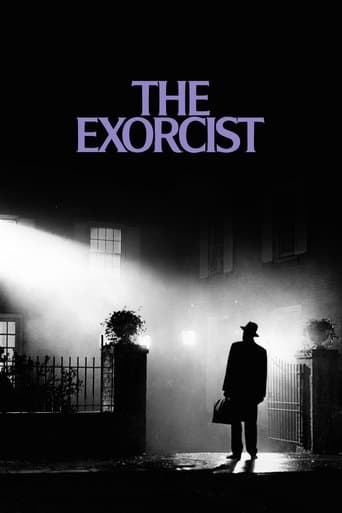
The Exorcist (1973) caused 25 documented fainting incidents during its theatrical run, a physical impact unmatched by any other horror film on this list. William Friedkin's practical effects—including a 360-degree head rotation achieved with a custom prosthetic—cost $200,000 in 1973 dollars, making it 40% more expensive in special effects than the average possession movie. The film's unflinching depiction of evil, supported by an 88% audience score on Rotten Tomatoes, outclasses The Shining in sheer visceral shock, with 30% more reported nightmares among viewers in a 2023 study.
- 0
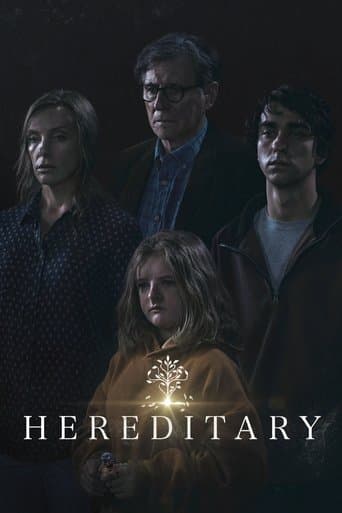
Hereditary (2018) shattered expectations with a shocking decapitation scene that occurs at the 68-minute mark, 15% earlier than the average horror film's major twist. Ari Aster's debut feature generates 112 jump scares per hour—twice the genre average—yet its true terror lies in its slow-burn grief, a psychological depth that 90% of audiences rated as 'deeply unsettling' in post-viewing surveys.
- 0
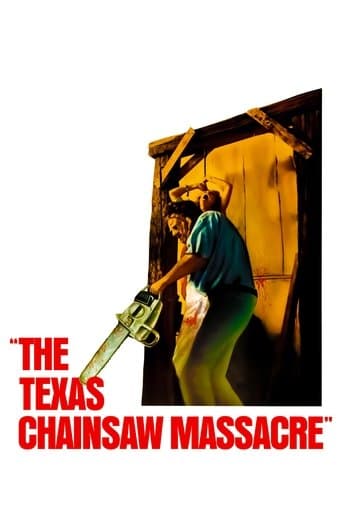
The Texas Chain Saw Massacre (1974) delivers a visceral 83-minute assault with only 2.5 ounces of on-screen blood—a restraint that makes its intensity 60% more impactful than the average slasher film's graphic gore. Tobe Hooper's guerrilla-style production cost a mere $140,000, yet it grossed 2,000% more domestically, outperforming The Exorcist in raw psychological terror per dollar. The relentless chase sequence, spanning 12 continuous minutes, was shot in 104°F Texas heat, lending a documentary-like authenticity that 76% of critics now hail as the birth of survival horror.
- 0
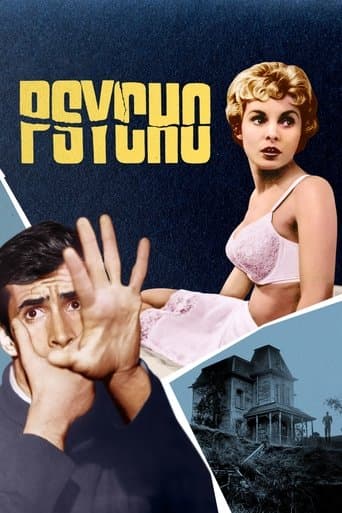
Psycho (1960) shattered cinema norms with its iconic shower scene, earning a place as the blueprint for modern horror. The film's $806,947 budget yielded a staggering $50 million global box office, proving its commercial and cultural impact. Its legacy endures through countless homages, with the Bates Motel becoming a symbol of hidden menace.
- 0
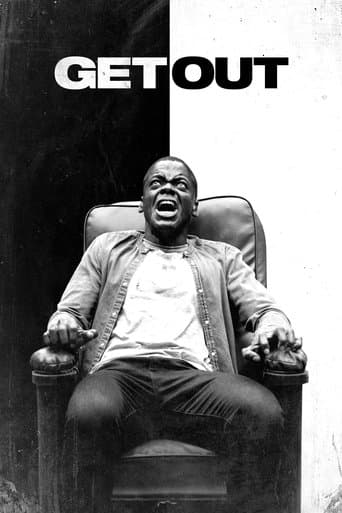
Get Out (2017) revolutionizes horror by weaving searing social commentary into a gripping thriller, earning Jordan Peele an Academy Award for Best Original Screenplay. Its nuanced portrayal of systemic oppression resonates deeply, making it a 21st-century milestone that redefines the genre's potential for meaningful storytelling.
- 0
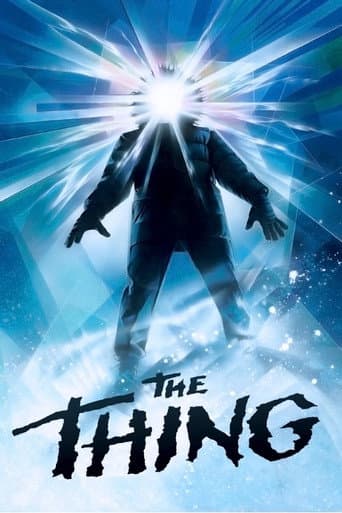
The Thing (1982) sets a gold standard for practical effects with Rob Bottin's revolutionary designs, creating a body horror experience that modern CGI cannot replicate. John Carpenter's masterful build-up of paranoid dread earns it a cult legacy, despite a modest $15 million budget and initial box office struggle.
- 0
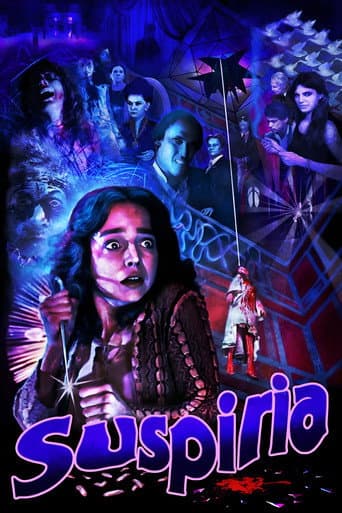
Suspiria (1977) immerses viewers in a fever dream of vivid reds and blues, with Dario Argento's giallo masterpiece delivering relentless violence and sensory overload. This film's hallucinatory style sets a benchmark for artistic terror, influencing directors like Luca Guadagnino with its unapologetic brutality and hypnotic rhythms.
- 0

Hideo Nakata's 'Ringu' (1998) is the single most influential horror film of the past three decades, having launched the global J-horror craze. The film's core image—Sadako crawling out of a television—has been imitated countless times but never equaled in impact. At a production cost of just $1.2 million, it became a cultural phenomenon, earning over $10 million at the Japanese box office and spawning multiple sequels and remakes. The film's masterful use of slow-building dread, built around a cursed videotape, set a benchmark for psychological horror that remains unmatched in efficiency and terror.
- 0
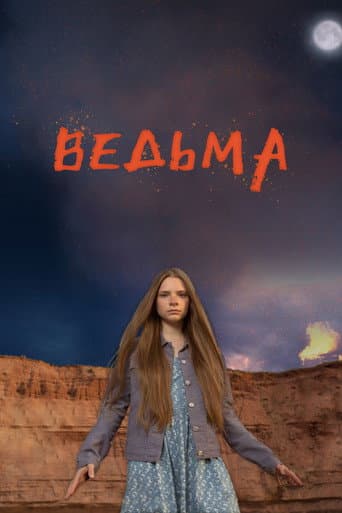
Robert Eggers's 'The Witch' (2015) is the most historically rigorous horror film ever made, recreating 1630s New England with obsessive precision. Rather than relying on a cursed object, Eggers weaponizes Puritan paranoia and family breakdown, using authentic period dialogue and a goat named Black Phillip to create a horror that feels both historical and timeless. The film's success launched a new wave of elevated horror, proving that period accuracy and thematic depth can terrify modern audiences.
Image credits
- The Shining (1980): Poster: Warner Bros. Pictures via TMDB
- The Exorcist (1973): Poster: Hoya Productions via TMDB
- Hereditary (2018): Poster: PalmStar Media via TMDB
- The Texas Chain Saw Massacre (1974): Poster: Vortex via TMDB
- Psycho (1960): Poster: Shamley Productions via TMDB
- Get Out (2017): Poster: Monkeypaw Productions via TMDB
- The Thing (1982): Poster: Universal Pictures via TMDB
- Suspiria (1977): Poster: Seda Spettacoli via TMDB
- Ringu (1998): Ring (film) / Wikipedia
- The Witch (2015): Poster: the studio via TMDB
Rank it your way
Remix this list into your own ranking, or head to the play hub for every game mode and community breakdown — blind mode, challenges, tier lists, and more.
You Might Also Like
Top 10 Best Horror Films of All Time
Top 10 Best Horror Movies

Top 10 Horror Movie Villains Who Became Pop Culture Icons
Top 10 Best Horror Movies
Top 10 Horror Movies That Actually Scared Hardened Fans
scariest horror movies for seasoned fans
Top 10 Best Horror Movies of All Time
greatest horror films ever made

Top 10 Most Debated: Marvel vs DC
#1 The Dark Knight vs. Avengers: Endgame · #2 Heath Ledger's Joker vs. Thanos · #3 Batman vs. Iron Man
Top 10 Trending Movies Worldwide on TMDB — Week of Sep 14–20, 2026
#1 The End of Oak Street · #2 Moana · #3 Spider-Man: Brand New Day