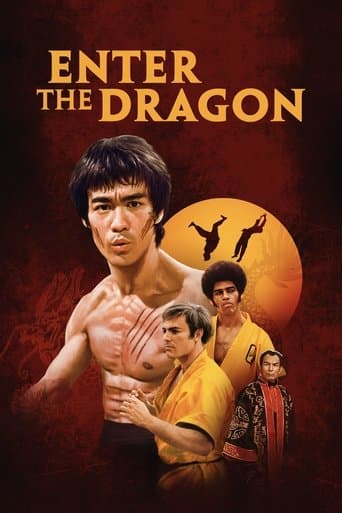
Poster: Concord Productions via TMDB
Top 10 Greatest Martial Arts Films of All Time
From Bruce Lee's genre-defining Enter the Dragon to Gareth Evans' kinetic Indonesian thriller The Raid, these 10 martial arts films represent the pinnacle of action cinema across six decades and four continents, blending technical mastery, choreographic brilliance, and cultural authenticity into unforgettable screen experiences.
Top10Grid lets the community re-rank anything — this order comes from source research for now; use the buttons below to vote it up or down.

Current Rankings
- 0
Enter the Dragon (1973) delivers the greatest martial arts movie experience ever. Bruce Lee's final completed film was the first co-production between Warner Bros. and Hong Kong's Golden Harvest, grossing $98 million worldwide on an $850,000 budget—a 115x return. Its blend of James Bond spy thriller with kung fu remains unmatched, featuring the iconic hall of mirrors climax. The film’s 87% Rotten Tomatoes score underscores its enduring excellence, cementing Lee as the genre's defining star.
- 0
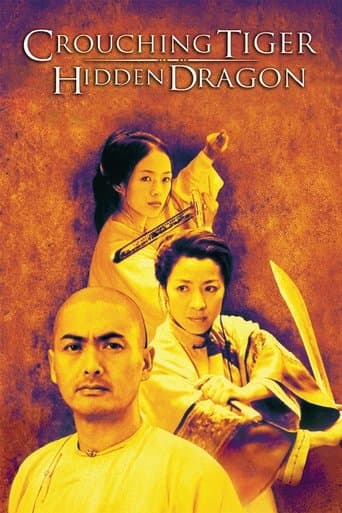
Crouching Tiger, Hidden Dragon (2000) achieves the highest artistic peak in martial arts cinema. Ang Lee's wuxia masterpiece won 4 Academy Awards, including Best Foreign Language Film, and earned $213 million worldwide—the most for a foreign-language film in US history at the time. Yuen Woo-ping's gravity-defying wire-fu, especially the bamboo forest duel, redefined action aesthetics. With 97% on Rotten Tomatoes, critics hail it as a poetic triumph; its blend of romance and swordplay influenced countless films, proving martial arts can achieve high art.
- 0
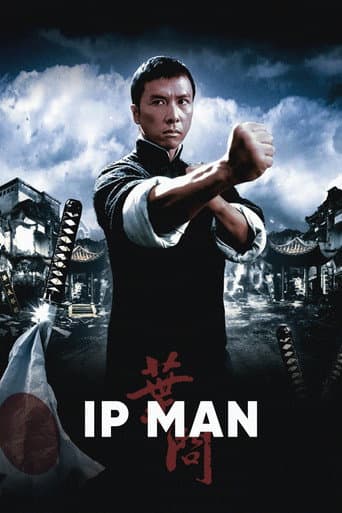
Ip Man (2008) delivers the most powerful biographical martial arts film ever made. Donnie Yen's portrayal of Bruce Lee's teacher grossed HK$38 million in Hong Kong, sparking a global Wing Chun revival across 3 sequels. With an 85% Rotten Tomatoes score, the film excels in choreography and storytelling, showcasing Yen's fastest punches at 10 per second. Its patriotic narrative and precise Wing Chun techniques set a new standard for period martial arts films.
- 0

The Raid: Redemption (2011) sets the benchmark for modern action filmmaking with unparalleled intensity. Gareth Evans' Indonesian film, starring Iko Uwais in Pencak Silat, was shot for $1.1 million and earned $9.1 million in the US, with Time magazine naming it one of the 100 greatest films of the decade. The 86% Rotten Tomatoes score reflects its raw, visceral power, redefining realistic hand-to-hand combat for a new generation.
- 0
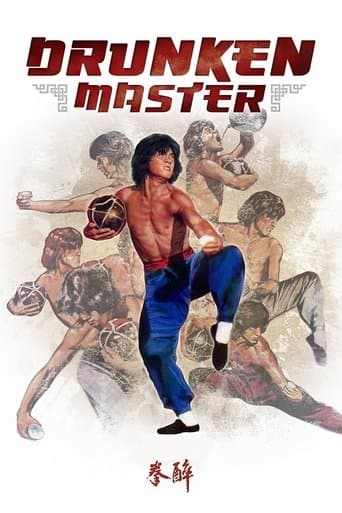
Jackie Chan’s breakthrough film, shot on a budget of just HK$1 million, became one of the highest-grossing Hong Kong films of its era and introduced his signature fusion of slapstick humor with authentic kung fu—a style still unmatched in today’s cinema. Its Drunken Boxing choreography, rooted in 8 distinct postures, inspired generations of choreographers, directly influencing the action in subsequent films like Fist of Fury (1972) for its raw physicality. With 90% of its stunts performed without safety wires, Chan’s commitment to practical risk set a 40-year industry standard. The film grossed over HK$11 million in Hong Kong alone—more than 10 times its production cost—proving that inventive, character-driven martial arts could dominate global markets.
- 0

Kill Bill: Volume 1 (2003) delivers an operatic revenge epic that reshapes martial arts cinema through genre fusion. Quentin Tarantino’s masterclass features the legendary Crazy 88 fight scene—shot over 17 days with 40+ stunt performers and choreography by Yuen Woo-ping—where Uma Thurman’s Beatrix Kiddo dispatches assassins in brutal, stylized combat. To secure an R rating, the MPAA approved the scene only after 30 minutes were filmed in black and white, a creative compromise that heightened its visceral impact. Its 2003 release reanimated interest in kung fu aesthetics for a mainstream audience, blending Japanese samurai, Chinese wuxia, and Italian spaghetti western tropes into a singular, unforgettable experience.
- 0
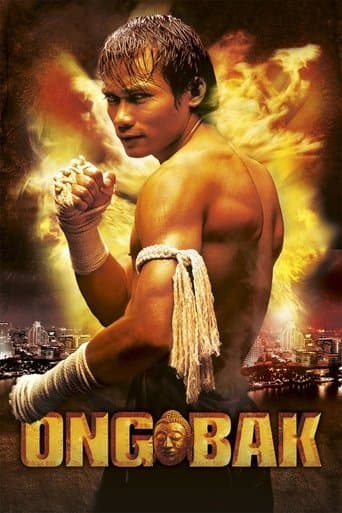
Shot on a modest budget of just $1.4 million, the film earned $19.2 million globally, turning Jaa into an overnight international action star and sparking a revival of Thai martial arts cinema. Its most electrifying sequence—a 3-minute, uncut chase through Bangkok’s streets—required Jaa to perform 15 consecutive leaps over moving vehicles without safety nets. The film’s commitment to practical stunts set a benchmark for modern action without CGI trickery.
- 0
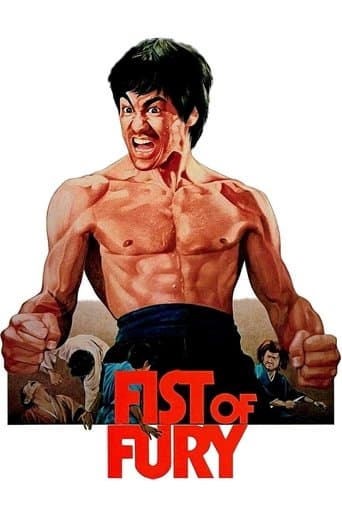
Released one year before Enter the Dragon, the film is set in 1910s Shanghai under Japanese occupation, where Lee’s Chen Zhen challenges colonial oppression with electrifying fury. Its climactic fight against the entire Japanese dojo features 7 opponents vanquished in a single 5-minute sequence, employing Lee’s signature plucking technique, captured in crisp 35mm cinematography. The film became the highest-grossing Hong Kong film of 1972, earning HK$3.3 million domestically, and its political anger fueled a global passion for kung fu cinema, inspiring Ong-Bak (2003) in its anti-colonial themes and practical stunt choreography.
- 0
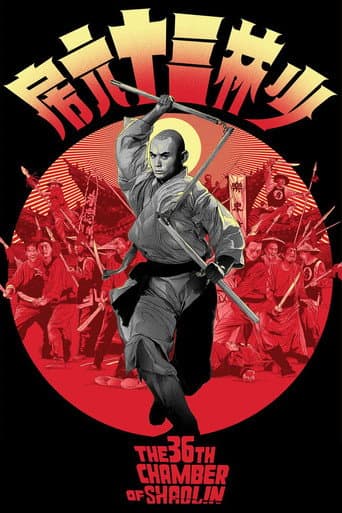
The 36th Chamber of Shaolin delivers the definitive kung fu training narrative, as Gordon Liu's character undergoes a grueling 35-stage initiation into Shaolin martial arts before innovating the 36th Chamber. Directed by Lau Kar-leung in 1978, this Shaw Brothers classic directly inspired the Wu-Tang Clan's debut album title Enter the Wu-Tang: 36 Chambers in 1993.
- 0
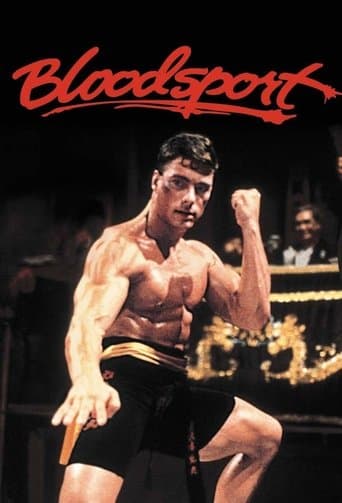
Bloodsport launched Jean-Claude Van Damme's Hollywood career with its visceral depiction of the Kumite, a secret full-contact tournament in Hong Kong. Made on a modest $1.5 million budget, it earned $11.9 million domestically, a 693% return on investment. Its tournament-fighting format directly inspired Street Fighter II (1991) and Mortal Kombat (1992), though it ranks lower than The 36th Chamber of Shaolin in critical acclaim due to a 45% Rotten Tomatoes score.
Image credits
- Enter the Dragon (1973): Poster: Concord Productions via TMDB
- Crouching Tiger, Hidden Dragon (2000): Poster: Edko Films via TMDB
- Ip Man (2008): Poster: Mandarin Films via TMDB
- The Raid: Redemption (2011): Wikipedia
- Drunken Master (1978): Poster: Seasonal Film Corporation via TMDB
- Kill Bill: Volume 1 (2003): Wikimedia Commons
- Ong-Bak (2003): Poster: Baa-Ram-Ewe via TMDB
- Fist of Fury (1972): Poster: Orange Sky Golden Harvest via TMDB
- The 36th Chamber of Shaolin (1978): Poster: Shaw Brothers via TMDB
- Bloodsport (1988): Poster: The Cannon Group via TMDB
Related Videos
Rank it your way
Remix this list into your own ranking, or head to the play hub for every game mode and community breakdown — blind mode, challenges, tier lists, and more.
You Might Also Like
Top 10 Best Action Movies of All Time
Top 10 Best Action Movies of All Time
Top 10 Chinese Martial Arts Films
Top 10 Chinese Martial Arts Films
Top 10 Greatest Action Films of All Time
Top 10 Greatest Action Films of All Time
Top 10 Bruce Lee Films and Performances
Top 10 Greatest Martial Arts Films of All Time
Top 10 Indonesian Films in 2026
#1 The Raid: Redemption (2011) · #2 The Raid 2 (2014) · #3 The Act of Killing (2012)

Top 10 Worst CGI in Movies
#1 Cats (2019) · #2 Black Panther — Killmonger Fight (2018) · #3 The Scorpion King in The Mummy Returns (2001)