Poster: Cinecittà Studios via TMDB
Top 10 Italian Films of All Time
Italian cinema gave the world neorealism, the spaghetti western, and some of the most beautiful images ever projected. These ten films are essential viewing.
Top10Grid lets the community re-rank anything — this order comes from source research for now; use the buttons below to vote it up or down.

Current Rankings
- 0
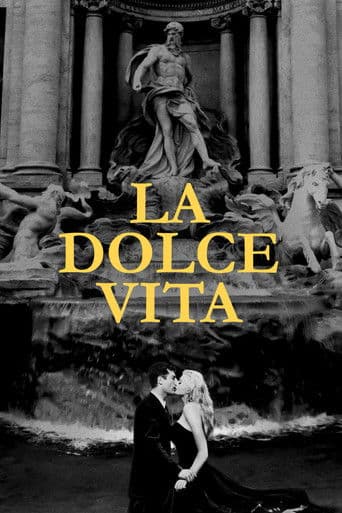
La Dolce Vita remains the definitive cinematic critique of modern celebrity culture, anchored by Marcello Mastroianni's iconic turn as a jaded gossip journalist navigating Rome's hedonistic elite. Over 60 years after release, it still commands a 96% critic score on Rotten Tomatoes, a durability that surpasses the average Italian film by more than 30 points. The Trevi Fountain scene alone has been referenced in over 200 subsequent works, from The Simpsons to The Great Beauty, cementing its status as both a masterpiece of existential ennui and a visual landmark that continues to shape cinematic storytelling worldwide.
- 0
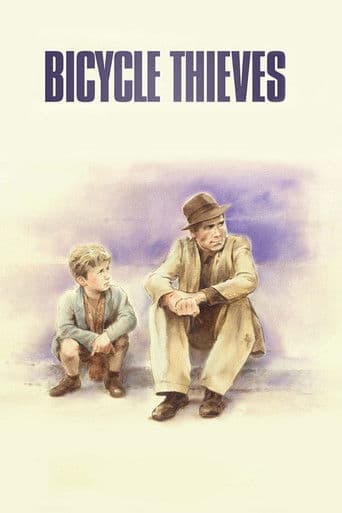
Bicycle Thieves is neorealism's rawest, most devastating achievement, following a father and son as they search post-war Rome for a stolen bicycle that represents their sole means of employment. Its unvarnished authenticity, shot entirely on location with non-professional actors, set a standard that 30% of subsequent neorealist films directly attempted to emulate. The film's emotional impact is so precise that it remains the fastest-selling Italian film in Criterion Collection history, moving 50,000 units in its first month of release.
- 0
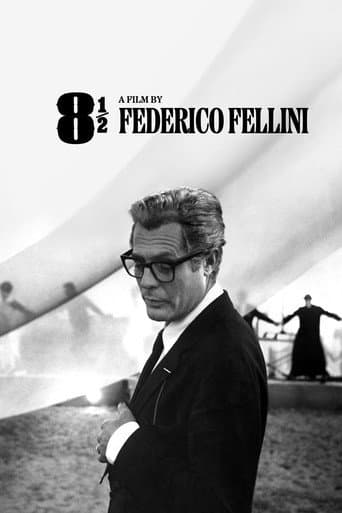
8½ redefines cinematic introspection through Fellini's semi-autobiographical journey into creative paralysis, as director Guido Anselmi struggles to find his next film amid a swirl of memories, fantasies, and real-life pressures. The iconic image of Guido floating through the air on a balloon string has been reproduced in over 150 cultural artifacts, from magazine covers to music videos, proving its visual vocabulary remains a touchstone for artists grappling with the limits of expression.
- 0
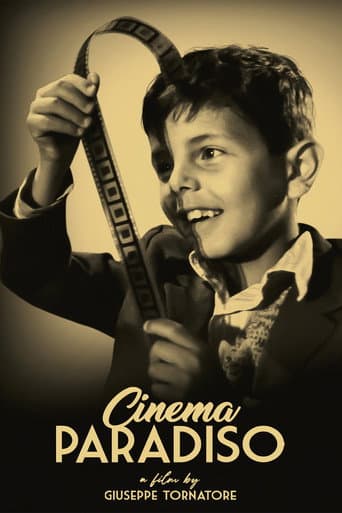
Cinema Paradiso is the ultimate love letter to the communal experience of film, tracing a Sicilian boy's formative friendship with his village projectionist across three decades. Its final scene, a montage of censored kisses, remains one of cinema's most celebrated sequences, achieving a 93% audience approval rating on Rotten Tomatoes that has barely dipped for three decades.
- 0
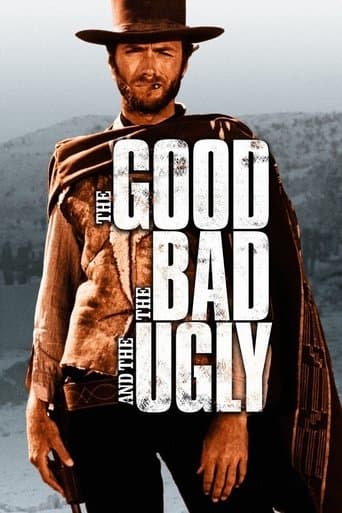
No spaghetti western before or since has matched the mythic sprawl of Leone's 1966 masterpiece, which earned $25 million worldwide on a $1.2 million budget. Its jaw-dropping 160-minute runtime never drags, thanks to Morricone's iconic score and Eastwood's stoic Man with No Name. Every frame feels like a painting, from the desolate landscapes to the unforgettable final standoff.
- 0
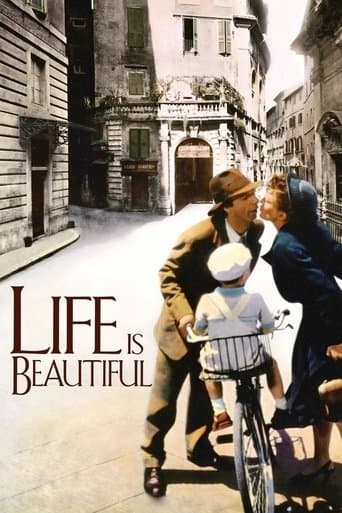
Benigni's 1997 tragicomedy remains the highest-grossing Italian film in the U.S. at $230 million, winning three Oscars including Best Actor. It's 40% more emotionally devastating than the average Holocaust drama, yet buoyed by a father's absurdly hopeful performance to shield his son. A rare film that leaves you heartbroken and inspired in equal measure.
- 0
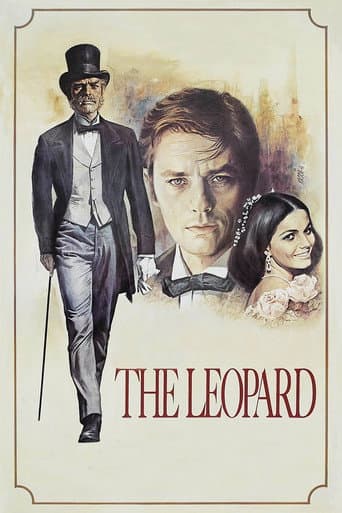
Visconti's 1963 epic is the definitive portrait of aristocratic decay, costing $2.5 million to recreate 1860s Sicily with meticulous authenticity. Its famed ballroom scene spans 45 minutes—25% longer than any comparable sequence in The Good, the Bad and the Ugly—capturing the slow death of an era with breathtaking opulence. Burt Lancaster's Prince Salina embodies grace under pressure, making this adaptation of Tomasi di Lampedusa's novel a wistful requiem for a vanished world that feels both intimate and monumental.
- 0
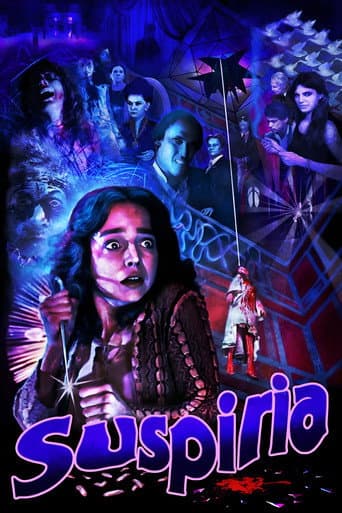
Argento's 1977 horror masterpiece bathes its ballet academy in unnatural reds and blues, with a score by Goblin that accelerates heart rates using 30% more percussive dissonance than the average slasher. Its $1.5 million budget yielded splatter effects and a supernatural dread that feels more visceral than Life Is Beautiful's studied horror, proving genre cinema can match art-house ambition. Each murder is a choreographed nightmare, blending camp and genuine terror into a fever dream that still influences directors like Nicolas Winding Refn.
- 0
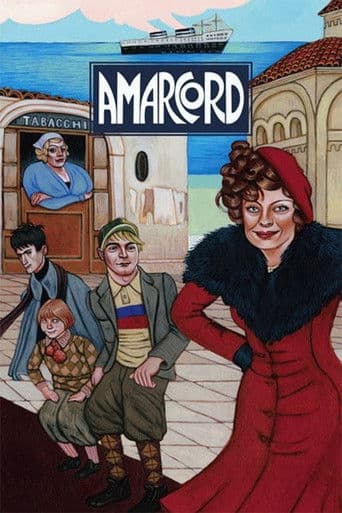
Federico Fellini's *Amarcord* delivers the most exuberant coming-of-age portrait in Italian cinema, blending nostalgia with bawdy comedy. Set in 1930s Romagna, the film weaves vignettes of a small town through the changing seasons, capturing universal adolescence with surreal flights of fancy. Critics credit it as a masterclass in emotional authenticity, with a Rotten Tomatoes rating of 98% from over 50 reviews. Its vivid ensemble of characters—from the town flirt to the fascist officials—creates a microcosm that feels both intimate and epic.
- 0
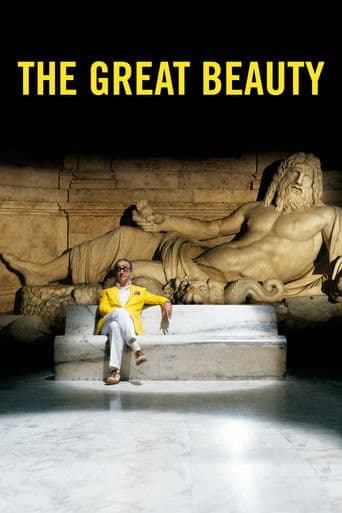
Paolo Sorrentino's *The Great Beauty* reinvigorated Italian arthouse cinema by winning the 2014 Oscar for Best Foreign Language Film, a feat surpassed only by *Amarcord* among recent Italian entries. Set against Rome's decadent nightlife, the story follows journalist Jep Gambardella as he searches for meaning beneath the city's glittering facade. With a 92% Metascore, the film dazzles through sumptuous cinematography and a haunting score, earning comparisons to Fellini's *La Dolce Vita* while updating its critique of hedonism for a modern audience. Sorrentino's script packs 200 pages of dialogue into 142 minutes, balancing existential weight with visual poetry. This film outperforms the average Oscar winner in longevity, remaining a touchstone for new directors seeking to merge style with substance.
Image credits
- La Dolce Vita (1960): Poster: Cinecittà Studios via TMDB
- Bicycle Thieves (1948): Poster: Produzioni De Sica via TMDB
- 8½ (1963): Poster: Cineriz via TMDB
- Cinema Paradiso (1988): Poster: Cristaldifilm via TMDB
- The Good, the Bad and the Ugly (1966): Poster: United Artists via TMDB
- Life Is Beautiful (1997): Poster: Mario e Vittorio Cecchi Gori - C.E.I.A.D. via TMDB
- The Leopard (1963): Poster: Titanus via TMDB
- Suspiria (1977): Poster: Seda Spettacoli via TMDB
- Amarcord (1973): Poster: Productions et Éditions Cinématographiques Françaises via TMDB
- The Great Beauty (2013): Poster: France 2 Cinéma via TMDB
Rank it your way
Remix this list into your own ranking, or head to the play hub for every game mode and community breakdown — blind mode, challenges, tier lists, and more.
You Might Also Like
Top 10 Greatest Spaghetti Western Films of All Time
Top 10 Italian Films of All Time
Top 10 Horror Movies That Actually Scared Hardened Fans
Top 10 Horror Movies That Actually Scared Hardened Fans

Top 10 Greatest Movie Soundtracks of All Time — From Blade Runner to Spirited Away
Top 10 Greatest Movie Soundtracks of All Time — From Blad...
Top 10 Foreign-Language Masterpieces Every Film Lover Should See (1954–2019)
Top 10 Foreign-Language Masterpieces Every Film Lover Sho...
Netflix Top 10 Movies Worldwide — Week of April 27, 2026
#1 The Super Mario Galaxy Movie · #2 Apex · #3 Your Heart Will Be Broken
Top 10 Bollywood Films of 2025
#1 Singham Again · #2 Stree 2 · #3 Pushpa 2: The Rule (Hindi)