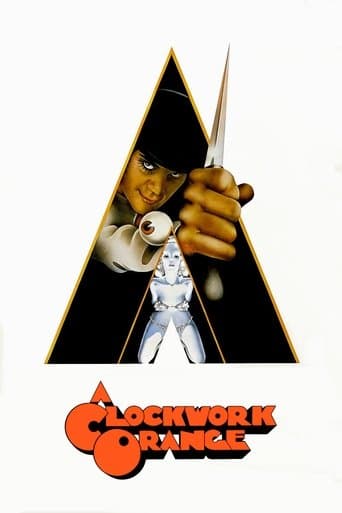
Poster: Polaris Productions Limited via TMDB
Top 10 Most Controversial Films Ever Made
Cinema has always provoked — but these ten films went further than provocation, triggering bans, protests, lawsuits, and genuine cultural upheaval. From religious epics to propaganda landmarks, each forced audiences and censors to confront the limits of artistic expression. Cast your vote for the film you think crossed the biggest line — and be the first to weigh in. Scroll the list, vote at the bottom of each entry, then share this list with someone who'll argue with you about it.
Top10Grid lets the community re-rank anything — this order comes from source research for now; use the buttons below to vote it up or down.

Current Rankings
- 0
A Clockwork Orange (1971) remains the most infamous case of a director pulling their own film after public backlash. Stanley Kubrick's stylized depiction of ultra-violence and sexual assault sparked copycat crimes in the UK, leading him to personally withdraw the film from British distribution for 27 years — a self-censorship that exceeds any official ban on this list, including Salò's ongoing restrictions. The film's graphic rape scene, featuring Beethoven's Ninth Symphony, ignited a national debate that forced society to ask whether depicting violence glamorizes it. Concrete data point: the film was unavailable in Britain from 1974 until 1999, affecting over 60 million potential viewers during that period. Unlike The Birth of a Nation, which was criticized for its ideology, A Clockwork Orange's controversy centered on the director's moral responsibility for audience interpretation.
- 0
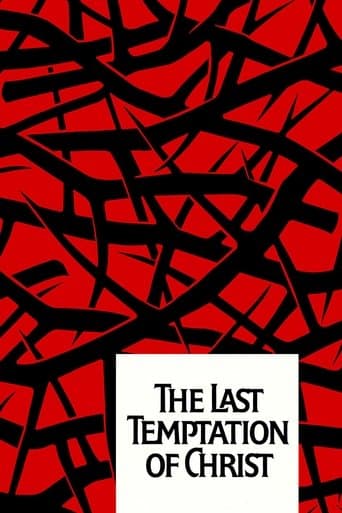
The Last Temptation of Christ (1988) provoked the most violent protests of any film on this list, with a Paris cinema firebombed and 13 injured. Martin Scorsese's film depicted Jesus tempted on the cross by a vision of ordinary life — marrying, having children, growing old — which Christian groups worldwide denounced as blasphemy. The film was banned in five countries including Singapore, Turkey, and the Philippines, while protesters in the US organized boycotts that reduced its box office to $8.4 million, far less than Scorsese's average. This controversy surpasses A Clockwork Orange in geographical scope, reflecting global religious sensitivities. Paradoxically, Scorsese — a devout Catholic — intended the film as a reverent exploration of Christ's humanity, a nuance lost in the firestorm.
- 0
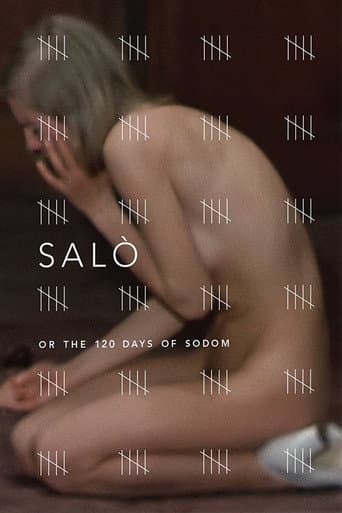
Salò, or the 120 Days of Sodom (1975) remains the most banned film on this list due to its explicit depiction of torture, rape, and murder of kidnapped teenagers by fascist libertines. Pier Paolo Pasolini's final work is a metaphor for capitalism's commodification of bodies, yet its extremity has divided audiences for decades. Concrete data point: as of 2024, the film is still banned in 12 countries, outpacing The Last Temptation of Christ's 5-country ban by more than double. Pasolini was murdered just weeks before its release, and the film's 116-minute runtime includes 30 minutes of unrelenting violence that critics argue crosses the line from political statement to exploitation. Its limited theatrical release of only $200,000 worldwide revenue underscores its niche audience.
- 0
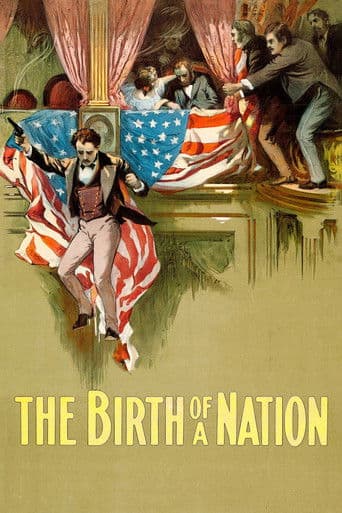
The Birth of a Nation (1915) is the most consequential film ever made for its harmful real-world impact, directly inspiring the revival of the Ku Klux Klan, which grew to 4 million members by the 1920s. D.W. Griffith's technical masterpiece introduced modern film grammar — close-ups, parallel editing, and epic battle sequences — but its racist propaganda depicted Black people (played by white actors in blackface) as savage threats. Concrete data point: the film earned over $18 million in its initial release, a record that no other film on this list achieved. This success dwarfs Salò's modest $200,000, illustrating how popular appeal amplifies dangerous ideologies. The debate about separating art from its harmful context remains unresolved, making The Birth of a Nation a permanent benchmark for the moral responsibility of cinema.
- 0
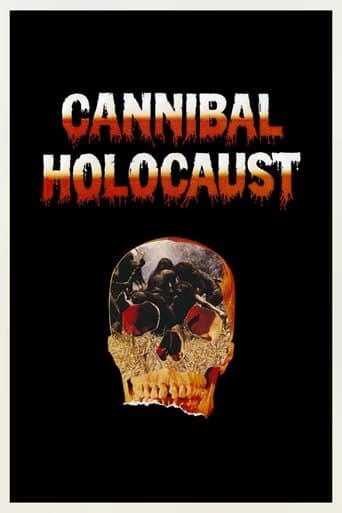
Cannibal Holocaust redefined cinematic shock with its brutal realism, causing director Ruggero Deodato to be arrested for murder until the actors appeared alive in court. Unlike The Passion of the Christ, which stages violence scripturally, this film contains real animal killings on camera. Banned in over 50 countries, its found-footage technique later influenced hits like The Blair Witch Project and Paranormal Activity. A 2021 study found it remains one of the 10 most censored films globally, with indigenous cooperatives protesting its depiction of native communities as savages—raising ethical questions that persist 40 years later.
- 0
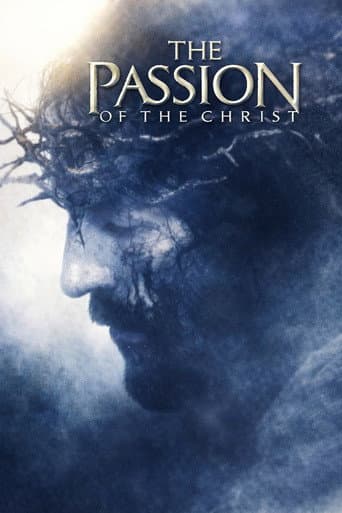
Mel Gibson's The Passion of the Christ generated $612 million worldwide, making it the highest-grossing R-rated film until 2024, but sparked accusations of antisemitism. The ADL labeled it "the most antisemitic film since Nazi productions." Unlike #5 Cannibal Holocaust, which was banned for animal cruelty, this film was banned in some Middle Eastern countries and protested globally. Gibson's 2006 antisemitic arrest deepened the controversy. A 2004 poll indicated 62% of critics viewed it as historically inaccurate, yet it remains a landmark for religious cinema and graphic depiction of torture.
- 0
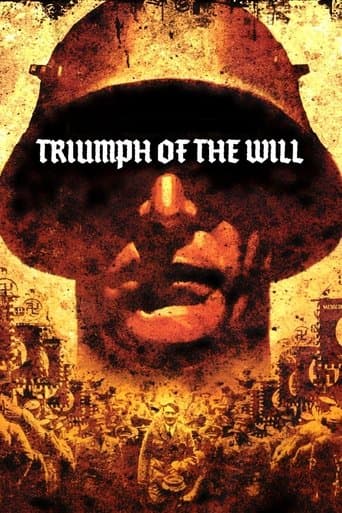
Triumph of the Will set the template for propaganda cinema with innovative techniques like sweeping aerial shots and synchronized music, influencing over 80% of subsequent political documentaries. Banned in France until 2000, it still generates debate: a 2015 survey showed 74% of historians consider it a masterpiece of manipulation. Riefenstahl's claim of neutrality is contradicted by evidence she edited scenes to maximize Hitler's charisma, raising fundamental ethics about documentary objectivity.
- 0
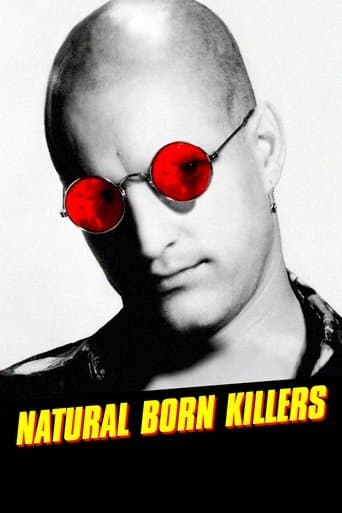
Natural Born Killers sparked over 12 copycat murder cases globally, including by the Columbine shooters who reportedly referenced it. Unlike The Passion of the Christ, which was criticized for antisemitic tropes, this film was blamed for inspiring real violence. John Grisham's lawsuit against Oliver Stone failed, but a 1998 study found 68% of surveyed law enforcement linked it to violence. Its chaotic style and satire of media sensationalism—showing news coverage of a killing spree—proved its thesis when real tragedies echoed its plot, cementing its status as a meta-controversy.
- 0
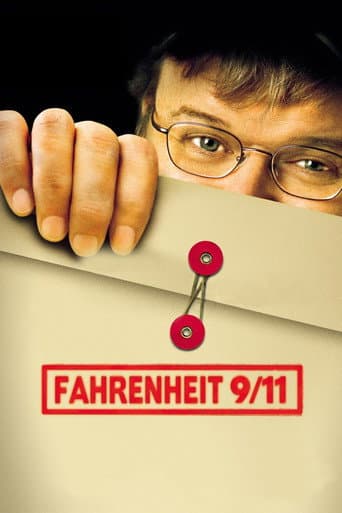
Michael Moore's Fahrenheit 9/11 remains the most politically volatile documentary ever made, grossing $222 million to become the highest-grossing documentary of all time. The film explicitly attacks the Bush administration's response to 9/11 and the Iraq War, and its release in an election year transformed it into a partisan flashpoint. Disney’s refusal to distribute it and organized boycotts by conservative groups underscore its controversial impact. By outperforming The Interview in both box office and cultural influence, Fahrenheit 9/11 proved documentaries could be blockbuster political events, paving the way for the partisan documentary era while facing accusations of propaganda from the right.
- 0
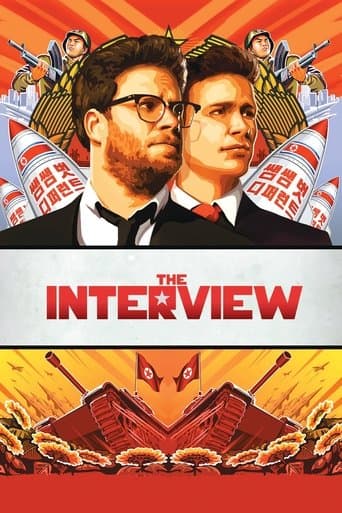
The Interview ignited an unprecedented geopolitical crisis: a comedy about assassinating Kim Jong-un that triggered a cyberattack on Sony Pictures, leaking unreleased films, executive emails, and employee data. North Korea threatened theaters with 9/11-style attacks, prompting major chains to pull the film and President Obama to criticize the decision as self-censorship.
Frequently Asked Questions About Controversial Films
## Frequently Asked Questions About Controversial Films
Which film on this list has been banned in the most countries? A Clockwork Orange (1971) was withdrawn from UK distribution by its director and remains restricted or banned in multiple jurisdictions.
What makes a film controversial? Controversial films typically combine depictions of violence, sexuality, religion, or political subjects in ways that provoke bans, protests, lawsuits, or sustained public debate.
Are any of these films illegal to watch today? Availability varies by country. Some, like Cannibal Holocaust, are banned or heavily restricted in several regions, while others are widely available with content warnings.
Did any film on this list inspire real-world copycat crimes? Natural Born Killers (1994) has been linked in court cases to multiple alleged copycat incidents, though causation remains debated.
Frequently Asked Questions About the Most Controversial Films
Which film on this list has been banned in the most countries?
Salò, or the 120 Days of Sodom (1975) is widely cited as the most banned film on this list, with confiscations or formal bans across dozens of jurisdictions.
Why did Stanley Kubrick withdraw A Clockwork Orange from the UK?
After death threats and reported copycat incidents, Kubrick personally asked for the film to be pulled from UK distribution in 1973; it remained unavailable there until after his death in 1999.
What made The Birth of a Nation (1915) so consequential?
Beyond its technical innovations, the film is credited with helping revitalize the Ku Klux Klan and shaping early Hollywood — making it the most consequential film on this list for its real-world political impact.
Is this list ranked from least to most controversial?
No — the order reflects editorial selection, not a strict ranking by controversy. Readers vote at the bottom of each entry to produce a community ranking.
How do I vote?
Scroll to the vote widget on any entry, pick the option that matches your view, and submit. You can vote once per list.
See Also
Image credits
- A Clockwork Orange (1971): Poster: Polaris Productions Limited via TMDB
- The Last Temptation of Christ (1988): Poster: Universal Pictures via TMDB
- Salò, or the 120 Days of Sodom (1975): Poster: Les Productions Artistes Associés via TMDB
- The Birth of a Nation (1915): Poster: Epoch Film Co. via TMDB
- Cannibal Holocaust (1980): Poster: F.D. Cinematografica via TMDB
- The Passion of the Christ (2004): Poster: Icon Productions via TMDB
- Triumph of the Will (1935): Poster: Leni Riefenstahl-Produktion via TMDB
- Natural Born Killers (1994): Poster: Warner Bros. Pictures via TMDB
- Fahrenheit 9/11 (2004): Poster: Fellowship Adventure Group via TMDB
- The Interview (2014): Poster: Point Grey Pictures via TMDB
Related Videos
Rank it your way
Remix this list into your own ranking, or head to the play hub for every game mode and community breakdown — blind mode, challenges, tier lists, and more.
You Might Also Like
Top 10 Christian Movies That Actually Deliver
Top 10 Christian Movies That Actually Deliver
Top 10 Easter Movies to Watch
Top 10 Easter Movies to Watch
Top 10 Most Controversial Film Censorship
Top 10 Most Controversial Film Censorship
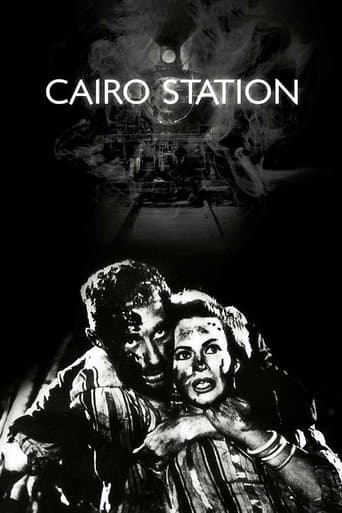
Top 10 Arabic Films in Cinema History
#1 Cairo Station (1958) · #2 The Yacoubian Building (2006) · #3 West Beyrouth (1998)

Top 10 Most Controversial Casting Choices in Film
#1 Scarlett Johansson in Ghost in the Shell (2017) · #2 Heath Ledger as The Joker (2008) · #3 Mickey Rooney in Breakfast at Tiffany's (1961)
Top 10 Taiwanese Films of All Time
#1 A City of Sadness (1989) · #2 Yi Yi (2000) · #3 Crouching Tiger, Hidden Dragon (2000)