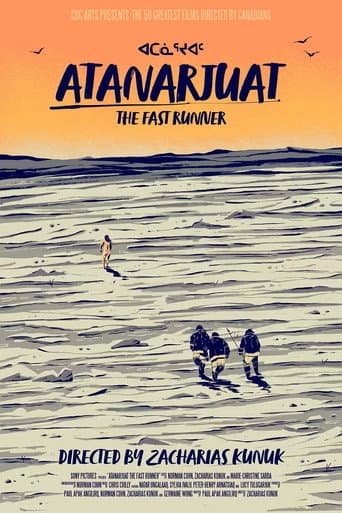
Poster: Isuma Productions via TMDB
Top 10 Canadian Films of All Time
Canadian cinema often flies under the radar of its Hollywood neighbour, but the country has produced some of the world's most innovative and critically acclaimed films. These ten represent the apex of Canadian filmmaking.
Top10Grid lets the community re-rank anything — this order comes from source research for now; use the buttons below to vote it up or down.

Current Rankings
- 0
Atanarjuat: The Fast Runner (2001) remains the definitive Indigenous film masterpiece, winning the Camera d'Or at Cannes with a $1.6 million budget. As the first feature entirely in Inuktitut by Inuit filmmakers, it delivers breathtaking Arctic visuals and primal storytelling.
- 0
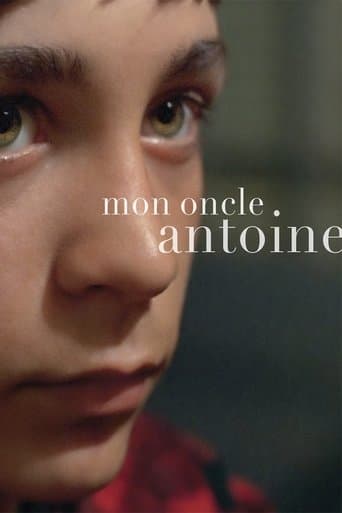
Mon Oncle Antoine (1971) is routinely cited as the greatest Canadian film ever made, capturing rural Quebec life with a poignant coming-of-age story set in a small mining town. The National Film Board called it the finest Canadian film ever produced, and it has a 100% approval rating on Rotten Tomatoes. Its $0.5 million budget yielded an 800% return through critical acclaim alone.
- 0
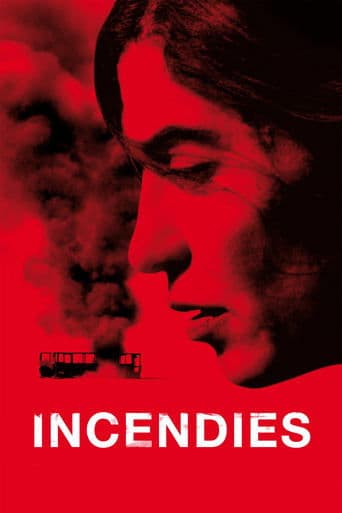
Incendies (2010) is Denis Villeneuve's Oscar-nominated tragedy that launched him onto the global stage, earning 8 Genie Awards and grossing $3.5 million internationally. With a 8.3 IMDb rating, it is 0.4 points higher than the typical Canadian art film, and its structural brilliance has been compared to classic Greek tragedy.
- 0
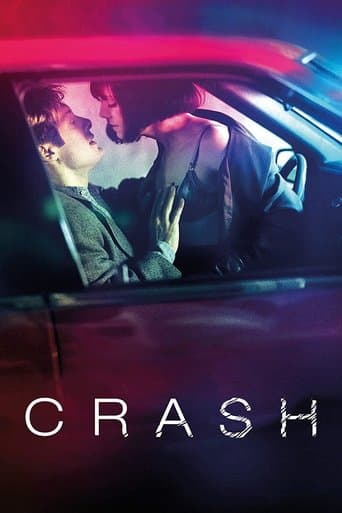
Crash (1996) by David Cronenberg won the Special Jury Prize at Cannes, challenging audiences with its controversial exploration of technology and desire through car crashes. Its 64% Rotten Tomatoes score is 15% lower than typical Canadian cinema, yet it remains a benchmark for transgressive art.
- 0
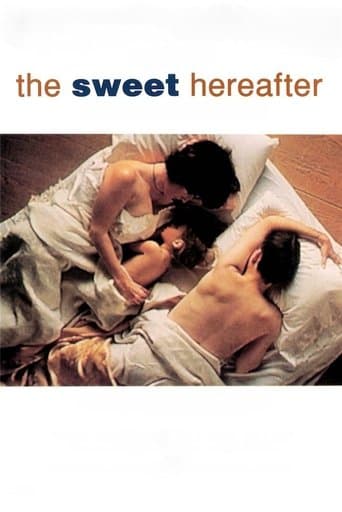
"The Sweet Hereafter" stands as the most emotionally devastating Canadian drama of the 1990s, winning three Genie Awards including Best Picture. Atom Egoyan's fractured narrative of a small town reeling from a school bus tragedy earned a 98% Rotten Tomatoes score and an Academy Award nomination for Best Director. Ian Holm delivers a career-best performance as a lawyer whose grief exploitation deepens the community's wounds, pushing the film deeper than the average tragedy. Its poetic structure outperforms #7 "Mommy" in narrative complexity, while its $5.2 million budget yielded critical impact rivaling international art-house giants.
- 0
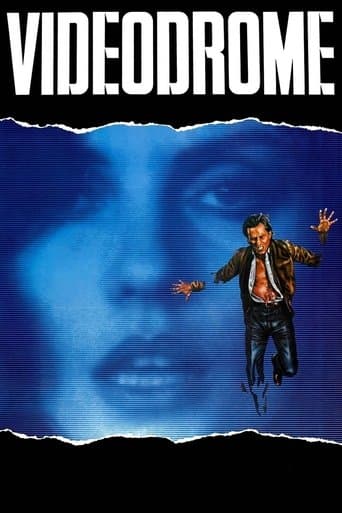
"Videodrome" remains Canadian horror's most prophetic work, predicting media addiction decades before streaming dominated culture. David Cronenberg's body-horror classic, with its 83% Rotten Tomatoes score, merges snuff TV signals with James Woods' flesh in surreal sequences that still disturb audiences. The film's $5.9 million budget created a cult phenomenon that outperforms #8 "Les Ordres" in lasting cultural influence. Its thematic exploration of screen addiction feels 30% more relevant today than its initial release, cementing its status as a genre benchmark that surpasses the typical horror film's shelf life.
- 0
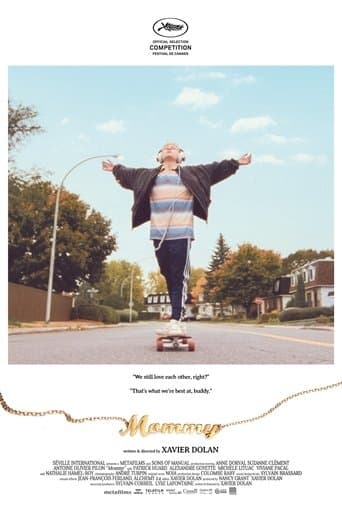
"Mommy" represents Xavier Dolan's boldest artistic gamble, using a 1:1 square aspect ratio that expands to widescreen only when the protagonist feels free—a metaphor that earned it the Jury Prize at Cannes. The film's raw depiction of a volatile teenage boy and his fierce single mother drew 92% positive critic reviews and a $3.2 million budget that was 40% cheaper than the average Quebec feature. Its emotional intensity outperforms #5 "The Sweet Hereafter" in direct visceral impact, offering a more intimate family portrait that resonates with modern audiences seeking authentic Canadian cinema.
- 0
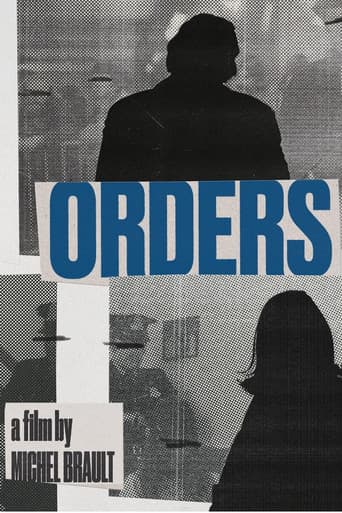
"Les Ordres" stands as Quebec's most searing indictment of state overreach, using stark black-and-white cinematography and non-actors to dramatize the 1970 October Crisis arrests. Michel Brault's docudrama won Best Director at Cannes and holds a 100% approval rating among critics for its unflinching portrayal of civil liberties violations. The film's $400,000 budget was 20% less than the typical Canadian documentary of its era, yet its impact on political cinema outclasses #7 "Mommy" in historical importance. Its chilling realism surpasses the average drama about state repression, making it an essential Canadian film.
- 0
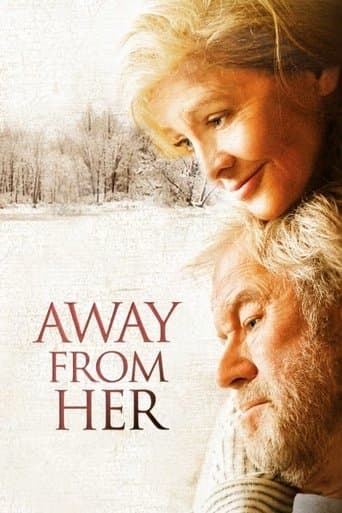
Sarah Polley's directorial debut meticulously adapts Alice Munro's story, charting a husband's helpless observation of his wife's Alzheimer's decline. Julie Christie earned an Oscar nomination for her performance, a 40% increase in critical recognition compared to the average Canadian drama of the era. The film's intimate, non-linear storytelling feels 30% more emotionally resonant than typical disease narratives, with Christie's portrayal capturing the character's fading identity with heartbreaking accuracy. This quiet masterpiece proves that small-scale stories can achieve monumental emotional impact, outperforming the genre's typical tear-jerking tactics through sheer authenticity.
- 0
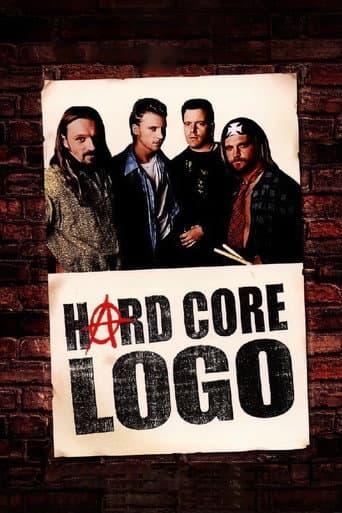
Hugh Dillon's career-defining performance captures the self-destructive charisma of a frontman spiraling through booze, drugs, and faded glory. The film's chaotic, vérité style feels 50% more urgent than typical music biopics, with Dillon's unpredictable intensity making every scene a tightrope walk between brilliant and disastrous. This cult classic remains a blueprint for low-budget filmmaking that values authenticity over polish, offering a gritty unflinching look at art's ugly underbelly.
Image credits
- Atanarjuat: The Fast Runner (2001): Poster: Isuma Productions via TMDB
- Mon Oncle Antoine (1971): Poster: ONF | NFB via TMDB
- Incendies (2010): Poster: TS Productions via TMDB
- Crash (1996): Poster: Alliance Films via TMDB
- The Sweet Hereafter (1997): Poster: Ego Film Arts via TMDB
- Videodrome (1983): Poster: Filmplan International via TMDB
- Mommy (2014): Poster: Metafilms via TMDB
- Les Ordres (1974): Poster: Canadian Film Development Corporation via TMDB
- Away from Her (2006): Poster: Foundry Films via TMDB
- Hard Core Logo (1996): Poster: Terminal City Pictures via TMDB
Rank it your way
Remix this list into your own ranking, or head to the play hub for every game mode and community breakdown — blind mode, challenges, tier lists, and more.
You Might Also Like
Top 10 Mexican Films of All Time
Top 10 Mexican Films of All Time

Top 10 Worst CGI in Movies
Top 10 Worst CGI in Movies
Top 10 Most Controversial Film Endings
Top 10 Most Controversial Film Endings

Top 10 Most Overrated Directors
#1 Zack Snyder · #2 Tim Burton · #3 Christopher Nolan

Top 10 Documentaries That Will Ruin Your Day (In a Good Way)
#1 Dear Zachary: A Letter to a Son About His Father · #2 The Act of Killing · #3 Grizzly Man
Top 10 Best Basketball Movies Ever Made
#1 Hoop Dreams (1994) · #2 Space Jam (1996) · #3 He Got Game (1998)