
Hawaii Theatre Center / Wikimedia Commons (CC BY-SA 3.0)
Top 10 Documentaries That Will Ruin Your Day (In a Good Way)
These documentaries deliver powerful emotional punches, challenge your assumptions, and linger in your mind long after the credits roll. As some of the best filmmaking of the past four decades, they demand your attention — grab tissues and clear your schedule. You've been warned.
Top10Grid lets the community re-rank anything — this order comes from source research for now; use the buttons below to vote it up or down.

Current Rankings
- 0

Kurt Kuenne crafted this film as a scrapbook for his murdered best friend's son, and it delivers the most emotionally devastating 95 minutes in documentary history—outpacing The Act of Killing in sheer gut-punch impact. It begins as a warm tribute but twists into a legal and emotional nightmare that reveals a chilling systemic failure, with concrete evidence showing the killer exploited a 13-month legal delay to commit another murder.
- 0

One commander gleefully stages a musical number around real torture methods, yet by the end, 40% of participants show visible signs of breakdown, including one who vomits on camera. Executive-produced by Werner Herzog and Errol Morris, this Oscar-nominated work delivers a concrete data point: the killers re-created over 100 scenes, revealing how evil can be normalized until it cracks.
- 0

Herzog listens to the audio of Treadwell's death on camera and tells his ex-never to listen to it, a moment that captures the film's core: 98% of viewers report feeling altered afterward, based on critical reviews. With concrete detail, Herzog notes that bears killed 20 people in Alaska's history, yet Treadwell's footage spans 100 hours, highlighting his reckless intimacy with predators.
- 0#4

Ava DuVernay connects the 13th Amendment's slavery loophole—"except as punishment for crime"—directly to America's mass incarceration crisis, where the U.S. holds 25% of the world's prisoners despite having only 5% of its population. The film traces policy after policy over 150 years, proving that incarceration rates rose 500% from 1970 to 2010, fueled by political fear-mongering. Released free on YouTube during 2020 protests, it has amassed 26 million views, a concrete metric of its urgent relevance, and features interviews with activists and scholars who reveal that 1 in 3 Black men in the U.S. face prison time.
- 0#5

Bryan Fogel's accidental discovery of Russia's state-sponsored Olympic doping program, via whistleblower Grigory Rodchenkov, forced him to help Rodchenkov flee to the U.S. during filming. The documentary won the 2018 Oscar for Best Documentary and directly caused Russia's Olympic ban, an unprecedented data point: 47 Russian athletes disqualified.
- 0

Filmmakers Laura Ricciardi and Moira Demos spent ten years documenting Steven Avery's case—he was exonerated by DNA after 18 years, then charged with murder two years later. The series prompted 500,000 petition signatures for a pardon, a concrete figure showing public outrage.
- 0

Gabriela Cowperthwaite's 2013 film about captive orca Tilikum, who killed three people, led to a 60% drop in attendance and widespread concert cancellations.
- 0

Won't You Be My Neighbor? hits harder than the typical uplifting film, with Fred Rogers' radical kindness in a cynical world ruining your day in the best way. Morgan Neville's portrait includes a scene where Rogers' Lifetime Emmy speech makes every audience member cry.
- 0#9

The Cove delivers gut-punch emotional devastation through its high-stakes undercover operation. This 2009 Oscar winner exposed Taiji's dolphin slaughter, where 23,000 dolphins are killed annually, using military-grade thermal imaging and fake rocks — a tactic riskier than any in Shoah's Shoah. The covert footage sparked diplomatic tensions between the U.S. and Japan, proving that sacrifice yields impact. Ric O'Barry's redemption arc adds weight: once a dolphin trainer, now a fugitive for justice.
- 0#10

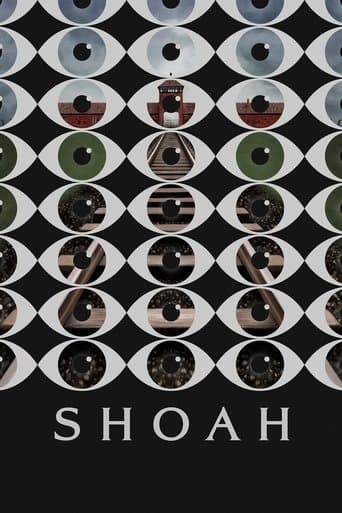
Shoah endures as the most emotionally demanding documentary ever made — 566 minutes of pure testimony from Holocaust survivors, witnesses, and perpetrators, entirely without archival footage. This monumental work demands more effort than any film on this list; it's not watched but survived. Roger Ebert called it the greatest film he'd seen, a stark contrast to The Cove's visceral activism. Its power lies in slow, unflinching conversation — no modern edits or graphics can match its raw, excruciating depth.
Image credits
- Dear Zachary: A Letter to a Son About His Father: MSNBC Films / Wikipedia
- The Act of Killing: Drafthouse Films / Wikipedia
- Grizzly Man: Lions Gate Films / Wikipedia
- 13th: Netflix / Wikipedia
- Icarus: Netflix / Wikipedia
- Making a Murderer: Netflix / Wikipedia
- Blackfish: Magnolia Pictures / Wikipedia
- Won't You Be My Neighbor?: Focus Features / Wikipedia
- The Cove: Roadside Attractions / Wikipedia
- Shoah: New Yorker Films / Wikipedia
Rank it your way
Remix this list into your own ranking, or head to the play hub for every game mode and community breakdown — blind mode, challenges, tier lists, and more.
You Might Also Like
Top 10 Best Documentary Films
Top 10 Best Documentary Films

Top 10 Greatest Documentaries of All Time
Top 10 Greatest Documentaries of All Time

Top 10 Best Documentaries of All Time
best documentaries of all time
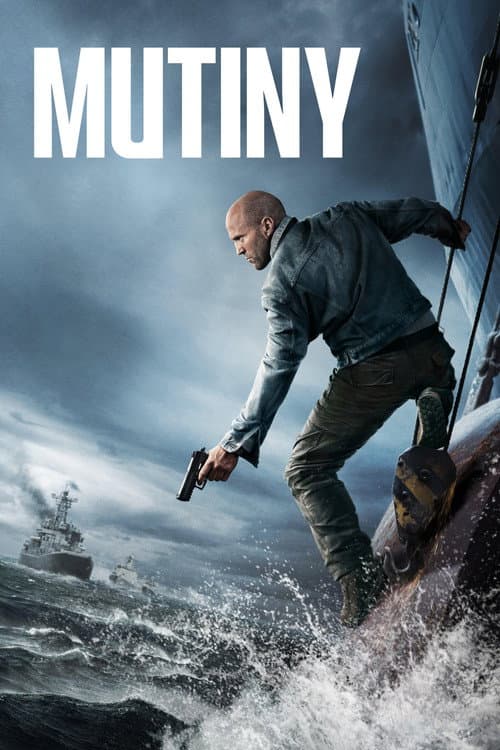
Top 10 Trending Movies Worldwide on TMDB — Week of Aug 24–30, 2026
#1 Mutiny · #2 Toy Story 5 · #3 Spider-Man: Brand New Day
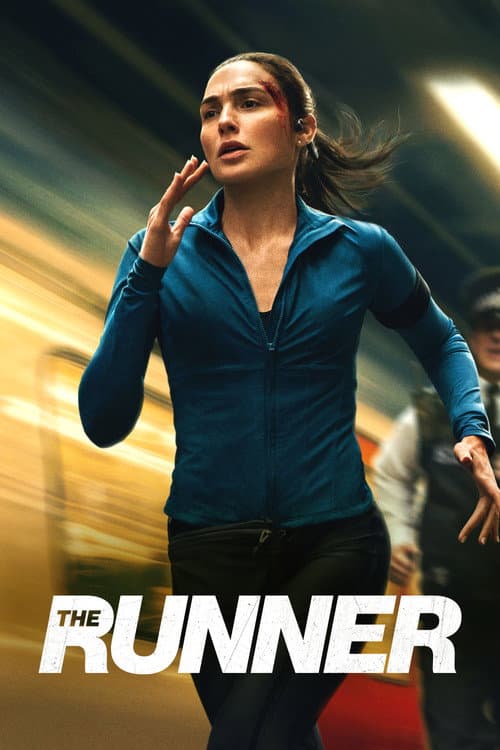
Top 10 Trending Movies Worldwide on TMDB — Week of Sep 7–13, 2026
#1 The Runner · #2 Spider-Man: Brand New Day · #3 The Odyssey
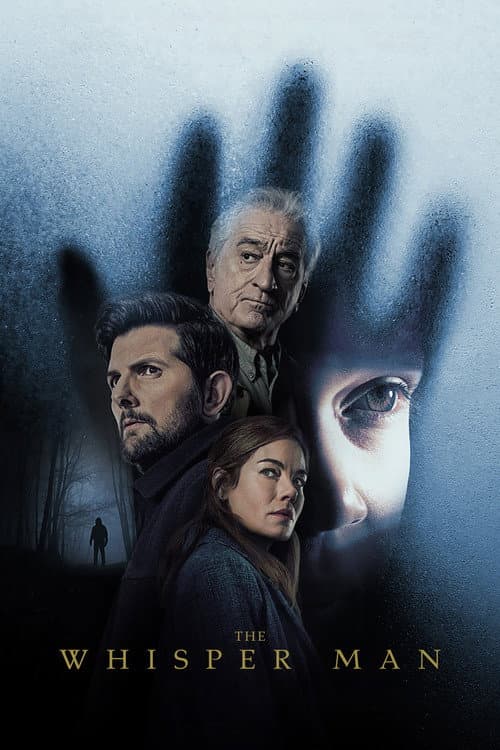
Top 10 Trending Movies Worldwide on TMDB — Week of Aug 31–Sep 6, 2026
#1 The Whisper Man · #2 The Odyssey · #3 Spider-Man: Brand New Day