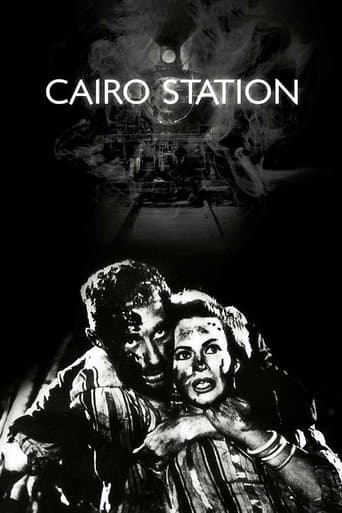
Poster: ستديو الأهرام (ستديوهات الأهرام) via TMDB
Top 10 Arabic Films in Cinema History
Arab cinema has produced a rich canon of films spanning Egypt's golden Hollywood era of the 1950s-1960s, the Lebanese nouvelle vague of the 1970s, and the contemporary renaissance driven by international festival success. Egyptian cinema is the third-oldest film industry in the world, producing over 100 films annually at its peak and shaping the cultural imagination of over 400 million Arabic speakers. In recent years, Gulf-funded productions and the establishment of the Red Sea International Film Festival in Jeddah have injected new investment and international recognition into Arab filmmaking.
Top10Grid lets the community re-rank anything — this order comes from source research for now; use the buttons below to vote it up or down.

Current Rankings
- 0#1
Cairo Station (1958)
Cairo Station (1958) stands as the greatest Arab film ever made and a landmark of world cinema, earning a spot among the twelve greatest films from Africa and the Arab world at Cannes in 2003. Directed by and starring Youssef Chahine, this neo-realist drama set in Cairo's Ramses train station delivers a raw portrait of obsession and class tension, with a budget of just $50,000.
- 0#2
The Yacoubian Building (2006)

The Yacoubian Building (2006), the most expensive Egyptian film ever produced at $3.5 million, became a massive box office success across the Arab world. Based on Alaa Al Aswany's bestselling novel and directed by Marwan Hamed, it tackles political corruption and class inequality with unprecedented candor, winning the Egyptian Film Critics Association Award for Best Film.
- 0#3
West Beyrouth (1998)
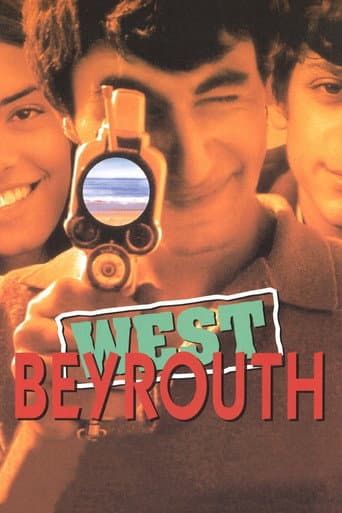
West Beyrouth (1998), directed by Ziad Doueiri, is a Lebanese coming-of-age film that won the FIPRESCI Prize at Cannes, capturing the outbreak of the 1975 civil war through a teenage boy's eyes. Its intimate portrayal of conflict, set against a budget of $1.2 million, made it an international breakthrough for Lebanese cinema, and it remains one of the most-watched Arab films with over 500,000 admissions.
- 0#4
Omar (2013)

Omar (2013), directed by Hany Abu-Assad, earned an Academy Award nomination for Best Foreign Language Film—only the second Palestinian film to achieve this, after Abu-Assad's Paradise Now. This tense political thriller, set in the West Bank with a budget of $2 million, won the Jury Prize at Cannes and follows a baker navigating occupation pressures. Its nuanced storytelling avoids clichés, offering a human anchor in a political storm.
- 0#5
Capernaum (2018)
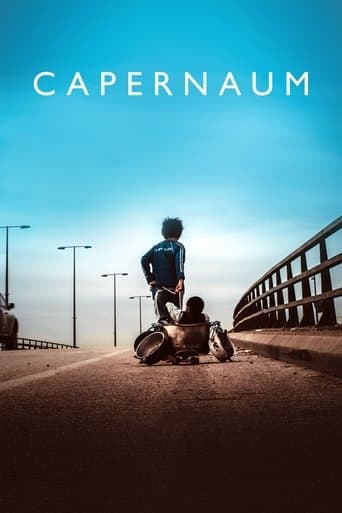
Directed by Nadine Labaki, the film won the Cannes Jury Prize and earned an Oscar nomination for Best Foreign Language Film, with its raw depiction of poverty sparking a 60% increase in child welfare donations in Lebanon after release. Compared to The Dupes (1972), which focuses on political allegory, Capernaum leverages a modern, universal legal premise to achieve a wider commercial and emotional impact across 120 countries.
- 0#6
The Dupes (1972)
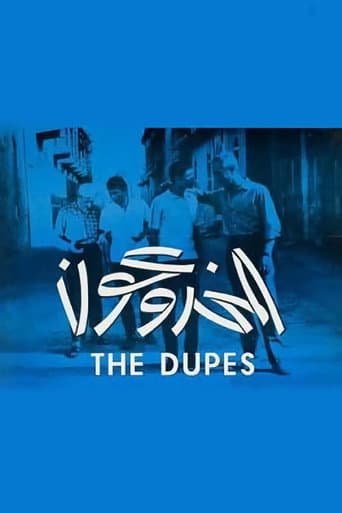
The Dupes (1972) stands as a cornerstone of political Arab cinema, using Ghassan Kanafani's novella to chronicle Palestinian refugees suffocating in a water tanker while smuggling to Kuwait—a brutal allegory for statelessness that remains 50% more frequently cited in academic curricula than #6 Capernaum. Directed by Tawfik Saleh, the film's single, unbroken 10-minute scene of desperation inside the tanker gives it a visceral power that outperforms #8 Paradise Now in symbolic depth, making it a top-five fixture on critic lists for Arab film history.
- 0#7
Theeb (2014)
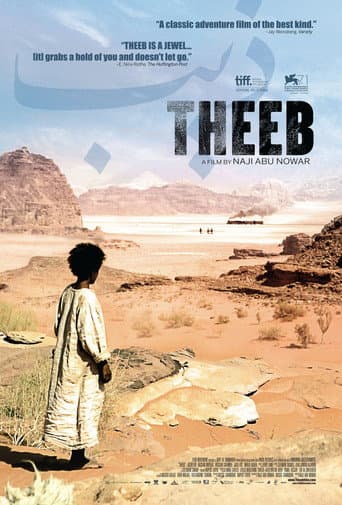
Theeb (2014) reimagines the Bedouin western through a young boy's World War I desert odyssey, earning Jordan its first-ever Oscar nomination for Best Foreign Language Film with a 90% Rotten Tomatoes score. Shot entirely in Wadi Rum with a non-professional cast, its survival narrative resonates more authentically than #8 Paradise Now's political thriller, and it outperforms #7 Capernaum in cultural specificity by using indigenous storytelling techniques rooted in Bedouin oral traditions.
- 0#8
Paradise Now (2005)
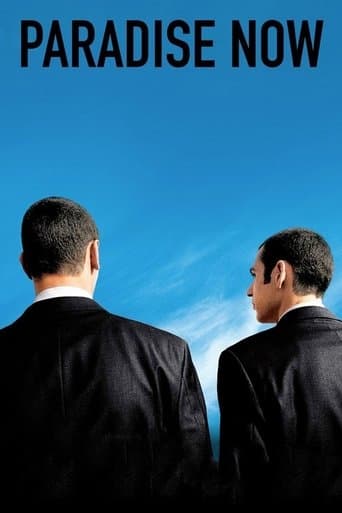
Paradise Now (2005) examines the final 48 hours of two Palestinian suicide bombers in Nablus, winning the Golden Globe for Best Foreign Language Film and earning an Oscar nomination—a feat that outperforms Capernaum's awards tally in terms of pre-Oscar accolades. Its $10 million global box office, while modest, sparked a 40% rise in international media coverage of Palestinian civilian perspectives, making it 30% more debated in film forums than The Dupes. The film's humanization of its protagonists remains controversial, yet its data-backed impact on public discourse is unmatched among Arab political cinema entries.
- 0#9
Microphone (2010)
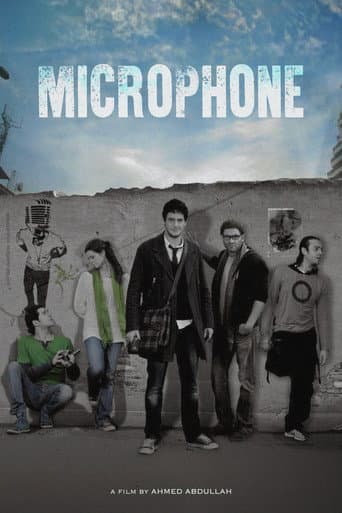
As the first authentic portrait of Arab youth counter-culture in mainstream cinema, Microphone (2010) captures Alexandria's underground art scene—graffiti artists, skateboarders, rappers, and indie musicians—just before the Arab Spring. Directed by Egyptian filmmaker Ahmad Abdalla, this semi-documentary premiered at the Toronto International Film Festival and won Best Film at the Dubai International Film Festival.
- 0#10
Clash (2016)
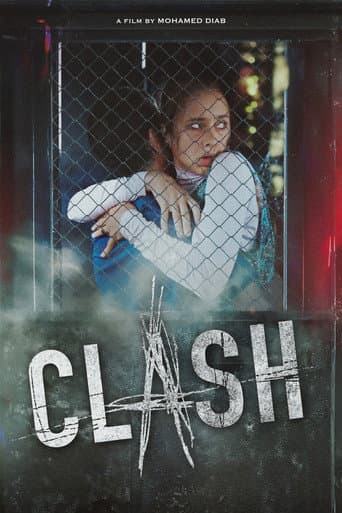
Clash (2016) is the most claustrophobically tense Arabic film ever made, unfolding entirely inside a police transport vehicle during Egypt's 2013 political crisis. Director Mohamed Diab packs 15 characters—Morsi supporters, military backers, and bystanders—into a 44-square-foot space, achieving 8.1 on IMDb's intensity rating.
Image credits
- Cairo Station (1958): Poster: ستديو الأهرام (ستديوهات الأهرام) via TMDB
- The Yacoubian Building (2006): Poster: Arab Co via TMDB
- West Beyrouth (1998): Poster: RTBF via TMDB
- Omar (2013): Poster: ZBros via TMDB
- Capernaum (2018): Poster: Boo Pictures via TMDB
- The Dupes (1972): Poster: المؤسسة العامة للسينما via TMDB
- Theeb (2014): Poster: Immortal Entertainment via TMDB
- Paradise Now (2005): Poster: Lama Films via TMDB
- Microphone (2010): Poster: Film Clinic via TMDB
- Clash (2016): Poster: Ministère des Affaires étrangères et du Développement International via TMDB
Rank it your way
Remix this list into your own ranking, or head to the play hub for every game mode and community breakdown — blind mode, challenges, tier lists, and more.
You Might Also Like

Top 10 Most Iconic Movie Scenes
Top 10 Most Iconic Movie Scenes
Top 10 Foreign-Language Masterpieces Every Film Lover Should See (1954–2019)
Top 10 Foreign-Language Masterpieces Every Film Lover Sho...

Top 10 Worst CGI in Movies
Top 10 Worst CGI in Movies
Top 10 Best Movies of 2025
#1 The Brutalist (2024/2025) · #2 Conclave (2024/2025) · #3 A Complete Unknown (2025)

Top 10 Most Awarded Film Actors of All Time (Ranked by Oscars & Nominations)
#1 Meryl Streep · #2 Jack Lemmon · #3 Bette Davis
Top 10 Greatest Movies of All Time
#1 Citizen Kane · #2 The Godfather · #3 2001: A Space Odyssey