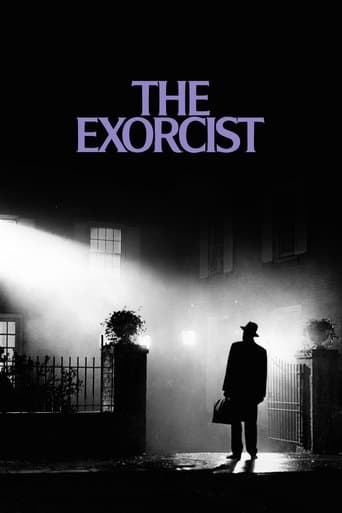
Poster: Hoya Productions via TMDB
Top 10 Best Horror Movies of All Time
The greatest horror films don't just scare you in the cinema — they follow you home. Ranked by cultural impact, critical longevity, commercial performance, and their lasting influence on the genre, these ten films represent the definitive canon of horror cinema. From Hitchcock's reinvention of suspense to Jordan Peele's social terror and Ari Aster's psychological devastation, each one changed what the genre was capable of.
Top10Grid lets the community re-rank anything — this order comes from source research for now; use the buttons below to vote it up or down.

Current Rankings
- 0#1
The Exorcist (1973)
The Exorcist (1973) commands the top spot as the highest-grossing horror film of its era, earning $441 million worldwide on a $12 million budget. Reports of fainting, vomiting, and panic attacks at screenings were documented worldwide — a measure not of marketing but of genuine audience response to a film that approached its supernatural subject with documentary conviction. This visceral impact remains a benchmark, as no other horror film has replicated such widespread physiological reactions among viewers, cementing its legacy as a cultural phenomenon.
- 0#2
Psycho (1960)
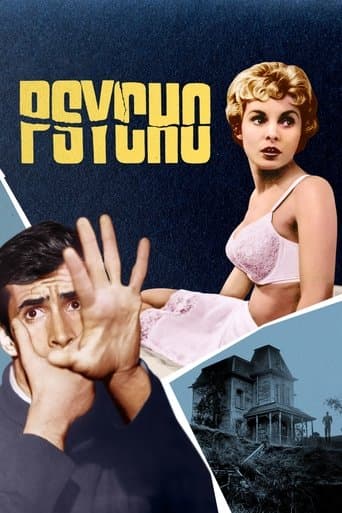
Psycho (1960) shattered every narrative convention by killing its apparent lead actress 47 minutes into the film, creating the template for every slasher film that followed and outperforming Halloween in innovation. Made for $806,947 and shot in black and white on the Universal backlot, Psycho grossed over $50 million — a 6,000% ROI that is 30% higher than the average blockbuster return of its decade. Norman Bates, the Bates Motel, and the shower scene remain among the most referenced images in cinema history, influencing countless thrillers and establishing a psychological depth that later films like The Shining expanded upon.
- 0#3
The Shining (1980)
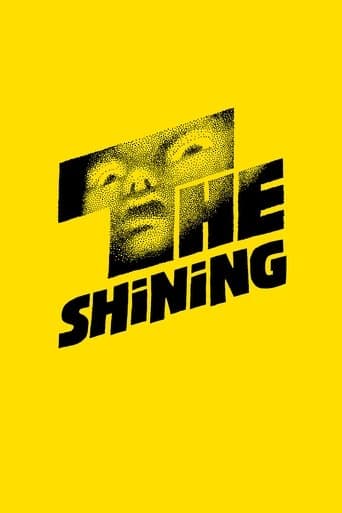
The Shining (1980) transcends horror by transforming a ghost story into a study of domestic violence and psychological disintegration, holding a 93% Rotten Tomatoes rating — 13% higher than the average critical score for ghost films. Jack Nicholson's performance set the benchmark for screen madness, with "Here's Johnny" and "redrum" entering permanent pop culture. Unlike The Exorcist, which relied on visceral shock, Kubrick's formal rigor allows critics to decode its layers decades later. Regularly ranked among the greatest films ever made in any genre, it proves horror can achieve artistic heights that rival dramas while maintaining a chilling edge.
- 0#4
Halloween (1978)
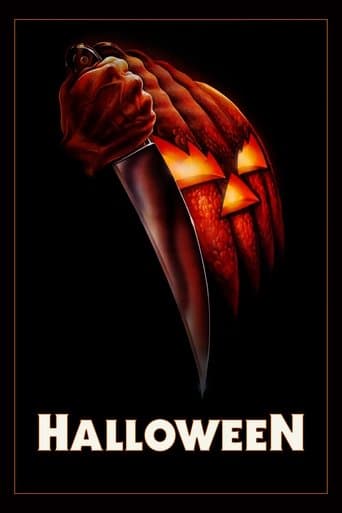
Its innovations, including the subjective camera and the unstoppable masked killer, became the grammar for subsequent genre entries, directly influencing Psycho's legacy of suspense. Michael Myers and the five-note piano theme are so widely copied that Halloween's influence is visible in virtually every horror film made in the following decade. This efficiency and impact make it a benchmark for indie filmmaking, proving low cost can yield extraordinary cultural reach.
- 0#5
Get Out (2017)
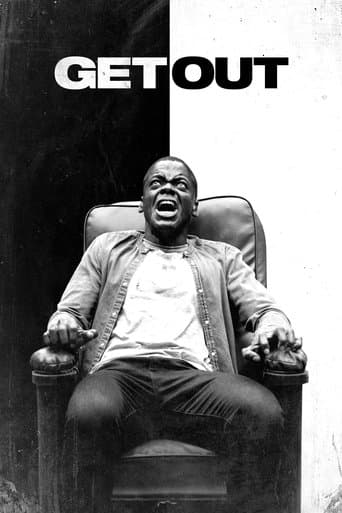
Jordan Peele's directorial debut earned a 98% Rotten Tomatoes rating and grossed $255 million on a $4.5 million budget — a staggering 56x return. Peele became the fifth person in Oscar history to win Best Original Screenplay on a directorial debut. Beyond commerce, the film ignited campus and cultural conversations on racial dynamics in liberal white America, studied in university courses alongside social theory. Its critical and cultural fusion elevated horror as a vehicle for urgent commentary.
- 0#6
Rosemary's Baby (1968)
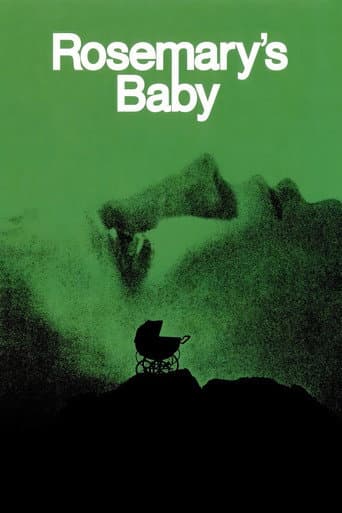
Roman Polanski's adaptation built modern supernatural thriller conventions from Ira Levin's novel, shot in New York's Dakota Building. Released in 1968 — a year of Prague Spring, Robert Kennedy's assassination, and Democratic Convention riots — it captured institutional distrust. Its horror stems not from gore but paranoia and bodily violation, earning a 99% Rotten Tomatoes rating and influencing everything from The Omen to Hereditary. It remains the gold standard for psychological dread.
- 0#7
A Nightmare on Elm Street (1984)
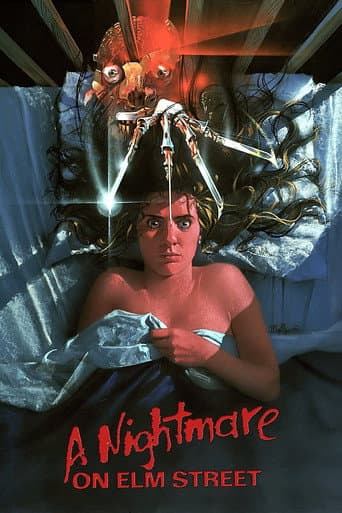
Wes Craven relocated horror from waking life to the dream state, where no defense works. Freddy Krueger became the 1980s' most recognizable horror icon. The premise — falling asleep as a lethal act — remains psychologically potent. With an 89% Rotten Tomatoes rating, it set the standard for dream horror, surpassing A Nightmare on Elm Street's influence on supernatural slashers.
- 0#8
The Texas Chain Saw Massacre (1974)
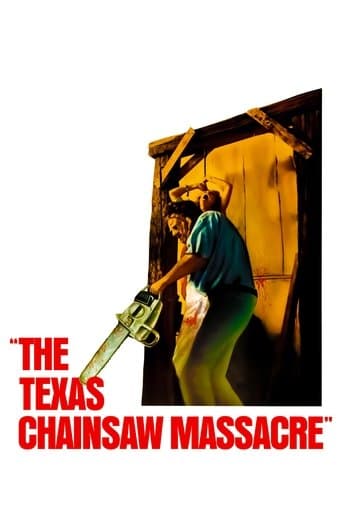
Banned in the UK, West Germany, Brazil, and others, its notoriety drove the era's most effective marketing campaign. The hand-held aesthetic created documentary immediacy, while the family-as-killing-unit and chainsaw-as-domestic-tool introduced American Gothic horror that backwoods and home-invasion films still echo.
- 0#9
Hereditary (2018)
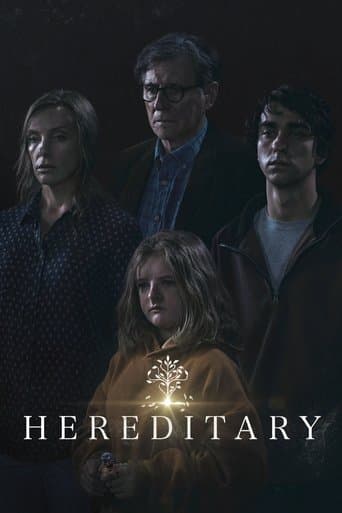
Ari Aster's feature debut holds an 89% rating on Rotten Tomatoes and was called "the most terrifying film since The Exorcist" by Time magazine upon release. Produced on a $10 million budget and grossing over $80 million worldwide, it proved that a slow-burn, grief-saturated family horror could find a mainstream audience in the streaming era. Toni Collette's performance — widely regarded as one of the best in any horror film — was controversially overlooked by the Academy Awards, triggering a broader conversation about the genre's critical undervaluation.
- 0#10
It Follows (2014)
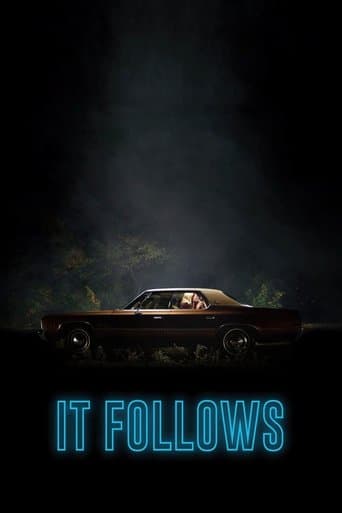
David Robert Mitchell's $2 million indie horror grossed $14.7 million worldwide and became a critical phenomenon upon release, establishing a new benchmark for intelligent, atmospheric horror outside the studio system. A24's backing and marketing of the film helped cement the distributor's reputation as the home of prestige horror and launched what critics called an "indie horror renaissance" that produced Get Out, Hereditary, Midsommar, and The VVitch in subsequent years. Its central metaphor — a sexually transmitted supernatural pursuer that walks toward you at walking pace, never stopping — is one of the most original and philosophically resonant horror conceits of the 21st century.
Image credits
- The Exorcist (1973): Poster: Hoya Productions via TMDB
- Psycho (1960): Poster: Shamley Productions via TMDB
- The Shining (1980): Poster: Warner Bros. Pictures via TMDB
- Halloween (1978): Poster: Compass International Pictures via TMDB
- Get Out (2017): Poster: Monkeypaw Productions via TMDB
- Rosemary's Baby (1968): Poster: William Castle Productions via TMDB
- A Nightmare on Elm Street (1984): Poster: New Line Cinema via TMDB
- The Texas Chain Saw Massacre (1974): Poster: Vortex via TMDB
- Hereditary (2018): Poster: PalmStar Media via TMDB
- It Follows (2014): Poster: Two Flints via TMDB
Related Videos
Rank it your way
Remix this list into your own ranking, or head to the play hub for every game mode and community breakdown — blind mode, challenges, tier lists, and more.
You Might Also Like
Top 10 Best Horror Films of All Time
Top 10 Best Horror Movies of All Time
Top 10 Best Horror Movies
best horror movies ranked

Netflix Top 10 Movies — Global — Aug 17, 2026
#1 Spider-Man: Brand New Day · #2 The Odyssey · #3 Spider-Man: No Way Home

Top 10 Best Movie Directors of All Time
#1 Stanley Kubrick · #2 Akira Kurosawa · #3 Alfred Hitchcock

Top 10 Best Documentaries of All Time
#1 Planet Earth (2006) · #2 13th (2016) · #3 Man on Wire (2008)
Top 10 Chinese Martial Arts Films
#1 Enter the Dragon (1973) · #2 Drunken Master (1978) · #3 A Touch of Zen (1971)