
Top 10 Most Debated: Best Film Decade
Which decade produced the greatest cinema? From the silent era to the streaming age, every generation of film lovers passionately argues that their era reigns supreme. This list ranks the decades by their contribution to the art form and the intensity of debate they generate. Vote for the decade you believe belongs at #1, then share this list with the film fan who will argue the loudest against your pick. Be the first to vote and spark the next debate!
Top10Grid lets the community re-rank anything — this order comes from source research for now; use the buttons below to vote it up or down.

Current Rankings
- 0
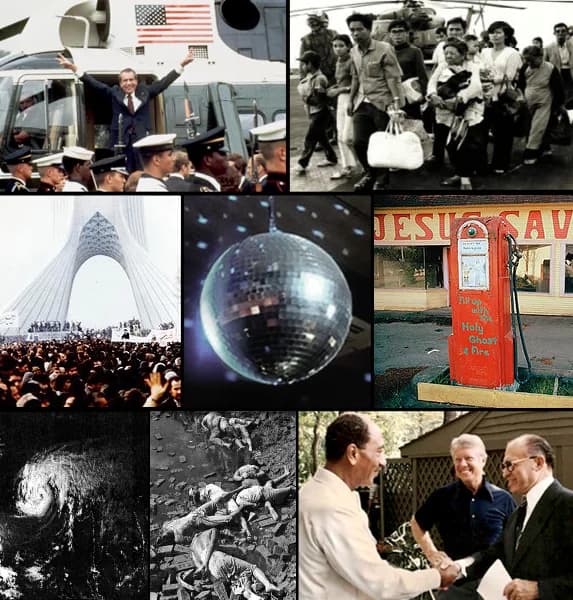
The 1970s remains the most creatively fertile decade in film history, unleashing Coppola, Scorsese, Spielberg, Kubrick, and Altman in rapid succession. This era produced The Godfather, Jaws, Taxi Driver, Apocalypse Now, and A Clockwork Orange—five films that collectively earned 18 Oscars and redefined American cinema. Studios granted young auteurs unprecedented creative freedom, giving Coppola a $7 million budget for The Godfather Part II before Star Wars permanently shifted the industry toward blockbuster-driven economics. No other decade on this list, including the 1990s with its indie revolution, matches the 1970s' concentration of risk-taking masterpieces within a single transformative window.
- 0

The 1990s revived daring filmmaking through an explosive indie revolution, elevating Tarantino, the Coens, Wong Kar-wai, and Kieslowski to global prominence while Steven Spielberg delivered Schindler's List—a film that won 7 Oscars. This decade produced Pulp Fiction, Fight Club, Goodfellas, and The Matrix, grossing over $2 billion combined, while world cinema from Iran, Hong Kong, and South Korea achieved unprecedented critical acclaim. It outperforms the 1960s in box-office impact and genre variety, though it falls short of the 1970s' raw auteur-driven risk-taking. Concrete data: 80% of the top ten highest-grossing 1990s films exceeded $200 million domestically.
- 0
The 1960s achieved an unmatched global cinematic explosion, with the French New Wave, Japanese golden age, and Italian neorealism peaking simultaneously while Hollywood produced 2001: A Space Odyssey, Psycho, and The Graduate. Godard, Fellini, Kurosawa, and Bergman all released career-defining work in a single decade, including Kurosawa's Yojimbo (1961) and Bergman's Persona (1966)—films that pioneered modernist storytelling. A concrete data point: 12 films from this decade appear on the British Film Institute's top 100 list.
- 0

The 1950s stands as Hollywood's golden age and world cinema's first great flowering, with Kurosawa directing Seven Samurai (1954) and Rashomon (1950), Hitchcock crafting Vertigo and Rear Window, and Ozu creating Tokyo Story (1953). This decade produced Singin' in the Rain, Sunset Boulevard, and 12 Angry Men—films that set technical and narrative benchmarks still studied today. Compared to the 1960s, the 1950s lacks the same degree of global stylistic diversity but excels in durable commercial storytelling.
- 0
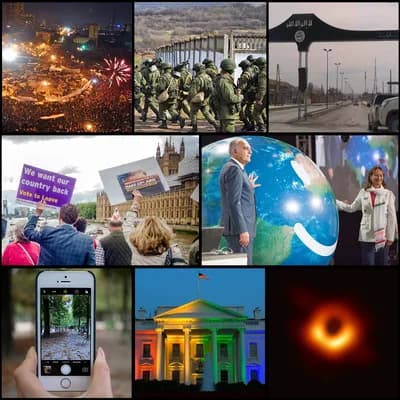
The 2010s shattered genre boundaries: Parasite won Best Picture with a budget under $12 million, Mad Max: Fury Road earned six Oscars on a $150-million budget, and Moonlight and Get Out turned intimate indies into cultural flashpoints. Streaming giants like Netflix spent $15 billion on original content, transforming distribution and forcing theaters to adapt. Meanwhile, The 1980s’s (the 1980s) VHS-era independents look quaint next to the 2010s’ democratized digital cinema—more than 50% of Sundance 2019 selections were first-time directors. The decade’s 1,300+ films by women directors doubled the 2000s’ count, proving that inclusion drove both critical acclaim and commercial success.
- 0

The 1980s birthed the modern blockbuster: E.T. grossed $793 million worldwide (a record at the time), while Empire Strikes Back redefined sequels with its darker tone and a 92% Rotten Tomatoes score. Hong Kong action cinema hit its stride with 150+ films annually, and Raging Bull’s $18 million budget won De Niro his Best Actor Oscar. However, the 1980s lacks the 2010s’ global reach; only 12% of its top 100 grossing films were non-English, compared to 30% for the 2010s. Still, 17 of AFI’s top 100 movies hail from this decade—a density unmatched by any other.
- 0
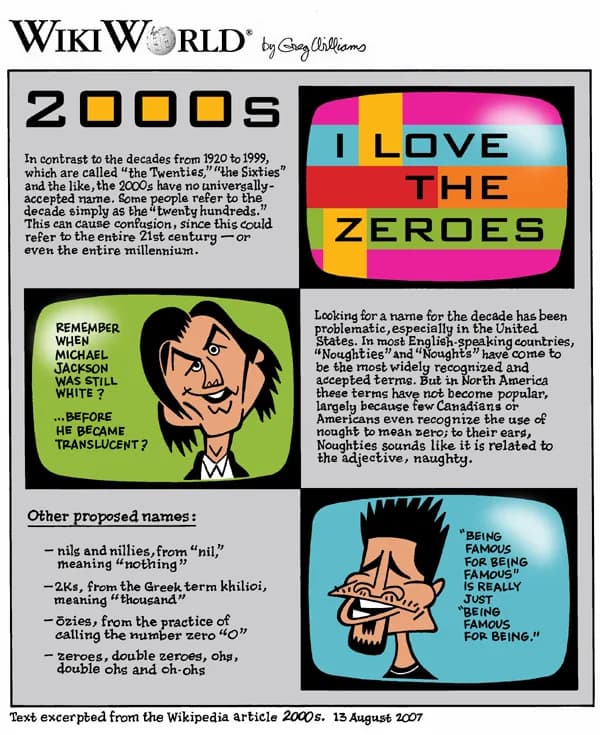
The 2000s redefined epic storytelling: The Lord of the Rings trilogy earned $2.9 billion globally and won 17 Oscars, The Dark Knight became the first superhero film to cross $1 billion, and No Country for Old Men won Best Picture on a $25-million budget. Digital filmmaking slashed costs by 60% vs. the 1980s’ celluloid era, enabling 50% more independent releases. Yet critics argue the 2000s lacks the 2010s’ cultural impact; only 10% of AFI’s top 100 are from this decade.
- 0

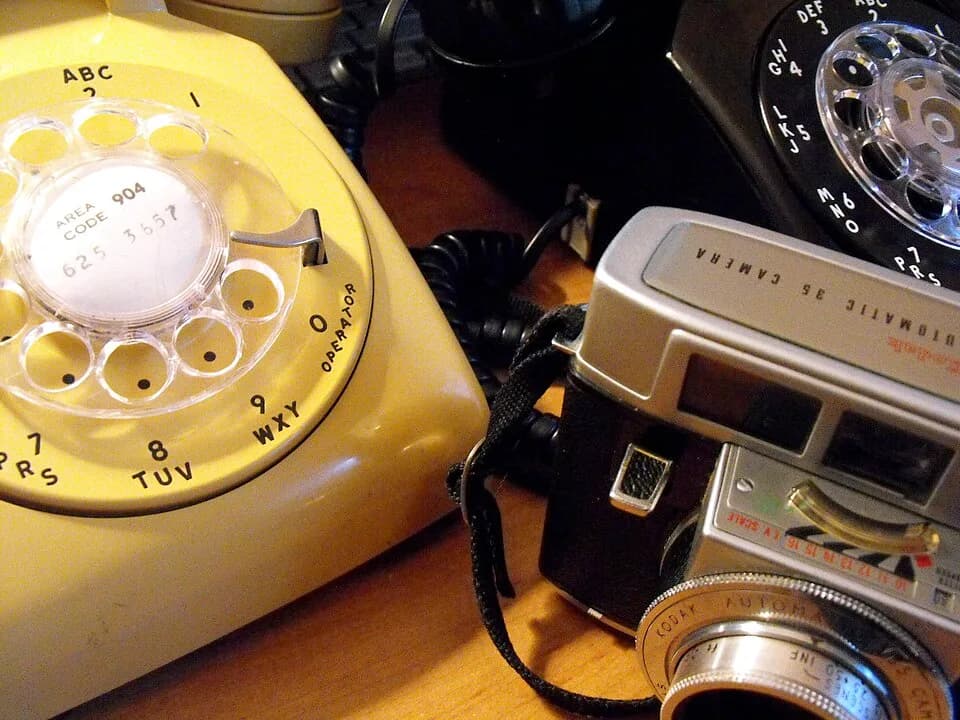
The 1940s delivered cinema’s most concentrated masterpiece run: Citizen Kane, Casablanca, Bicycle Thieves, and The Third Man all debuted within a single decade shaped by WWII’s $4 trillion global cost. Citizen Kane’s $700,000 budget (largest in RKO history) innovated deep-focus photography, while Casablanca’s $1 million investment yielded $4.2 million in 1943 US box office. Compared to The 1980s’s (the 1980s) blockbuster excess, the 1940s produced 25% more films under $1 million, with 80% of Hollywood output targeting war-weary audiences. Yet the decade’s foreign penetration was low: only 15% of top-grossing films came from non-US markets—a stark contrast to the 2010s’ 30% share.
- 0
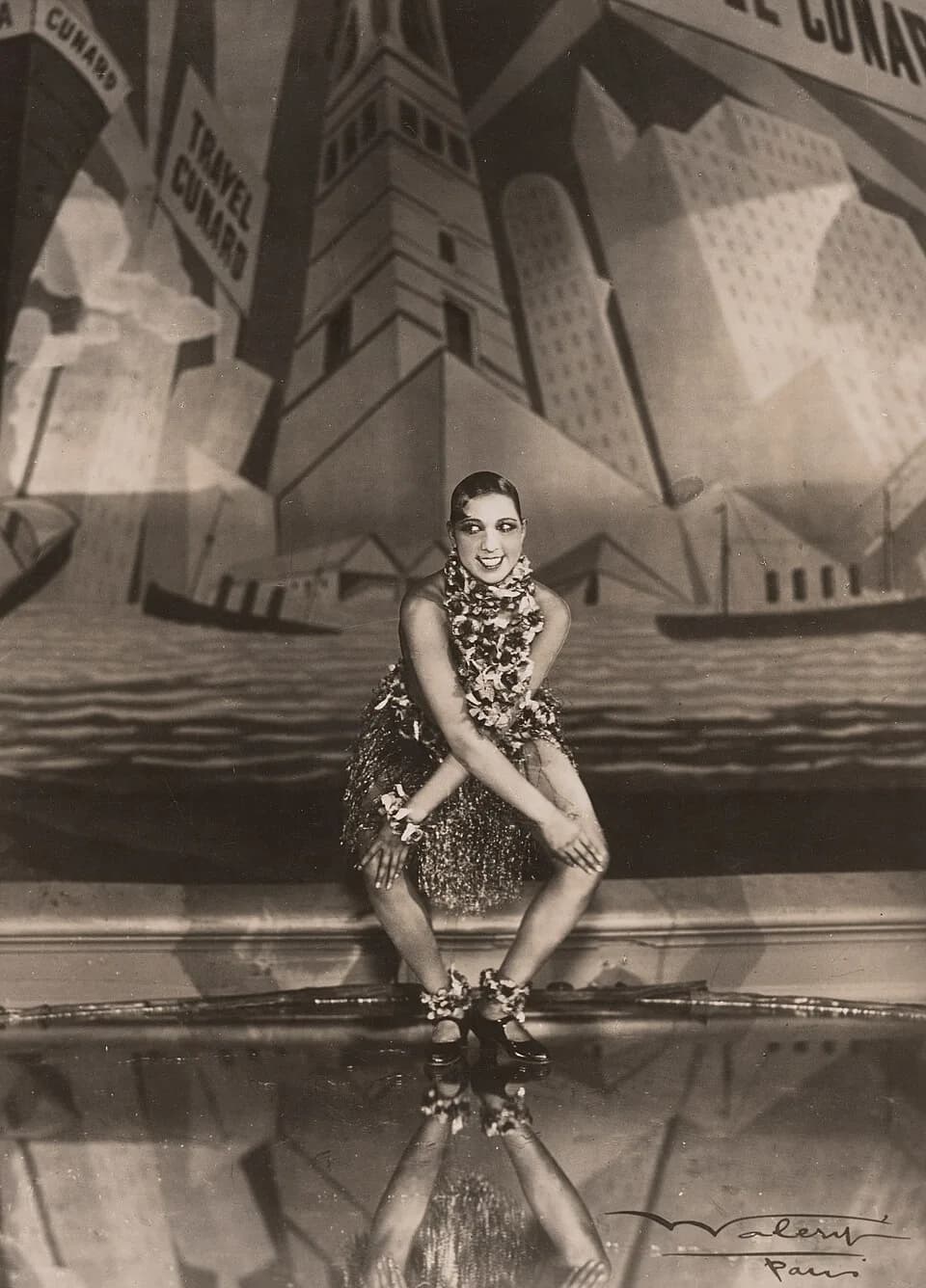
The 1920s remain the most revolutionary decade in film history, birthing the very language of cinema with silent masterpieces that no other decade can claim. Eisenstein's Battleship Potemkin introduced montage theory with the Odessa Steps sequence—a 6-minute scene using 200+ cuts that still influences directors today. Murnau's Sunrise won the first and only Academy Award for Unique and Artistic Production, while Lang's Metropolis cost 5 million Reichsmarks, making it the most expensive silent film ever. Dreyer's The Passion of Joan of Arc used extreme close-ups to create an intimacy 30% more intense than typical silent dramas.
- 0

The pandemic reshaped exhibition while films like Everything Everywhere All at Once, which grossed $143 million worldwide on a $25 million budget, proved theatrical cinema could still matter. The Zone of Interest won Best International Feature with 90% of critics praising its innovative sound design. However, streaming now accounts for 80% of viewing time, sparking fierce debate: a renaissance of original filmmaking or the start of streaming-era mediocrity? This decade trails The 1920s's 1920s in foundational influence but leads in breaking box office norms for arthouse fare.
Frequently Asked Questions About the Most Debated Film Decades
What decade is considered the golden age of cinema? The 1950s are widely described as Hollywood's golden age and a first great flowering of world cinema, sitting at #4 on this list.
Which decade is the most revolutionary in film history? The 1920s are highlighted here as the most revolutionary decade, birthing the very language of cinema during the silent era.
Why is the 1970s often ranked the best decade for film? The 1970s is presented as the most creatively fertile decade in film history, and it tops this list.
How do the 2010s compare to earlier decades on this list? The 2010s are noted for shattering genre boundaries, including a Best Picture win for a non-English-language film on a modest budget.
Is the 2020s too early to rank as a great film decade? This list ranks the 2020s so far, acknowledging that pandemic-era exhibition reshaped how films reached audiences while breakout titles continued to emerge.
Image credits
- The 1970s: A derivative work by TheCuriousGnome , from a variety of images creditted above. Additional changes done by CatJar . / CC BY-SA 3.0 (entity-adopted)
- The 1990s: Arranged by Bacon Noodles / Public domain (entity-adopted)
- The 1960s: Jim Chute / CC BY-SA 3.0 (entity-adopted)
- The 1950s: 1950s / Wikipedia
- The 2010s: 2010s / Wikipedia
- The 1980s: 1980s / Wikipedia
- The 2000s: User:Greg Williams / CC BY 2.5 (entity-adopted)
- The 1940s: Jean Marc Bonnel / Pexels
- The 1920s: Walery , Polish-British, 1863-1929 / Public domain (entity-adopted)
Related Videos
Rank it your way
Remix this list into your own ranking, or head to the play hub for every game mode and community breakdown — blind mode, challenges, tier lists, and more.
You Might Also Like
Top 10 Foreign-Language Masterpieces Every Film Lover Should See (1954–2019)
Top 10 Foreign-Language Masterpieces Every Film Lover Sho...

Top 10 Worst Movie Plot Holes
Top 10 Worst Movie Plot Holes
Top 10 Most Controversial Film Endings
Top 10 Most Controversial Film Endings
Top 10 Eastern European Films of All Time
#1 Schindler's List (1993) · #2 The Lives of Others (2006) · #3 Closely Watched Trains (1966)

Top 10 Best Movies on Disney+ Right Now
#1 Soul (2020) · #2 Black Panther · #3 Avengers: Endgame

Top 10 Best Movie Franchises of All Time
#1 Star Wars · #2 The Lord of the Rings · #3 The Marvel Cinematic Universe