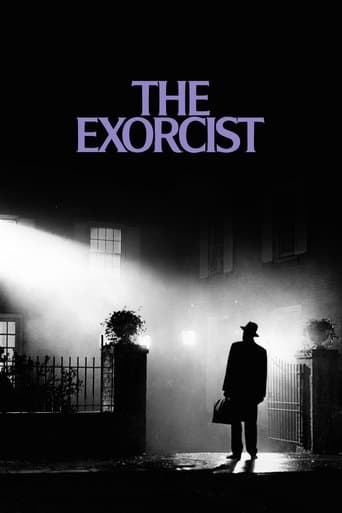
Poster: Hoya Productions via TMDB
Top 10 Scariest Horror Films of All Time
What makes a horror film truly terrifying? From demonic possession to folk-horror sunlit dread, these ten films represent the absolute pinnacle of cinematic fear. Ranked by their ability to disturb, unsettle, and linger in the mind long after the credits roll, each one redefined what horror could achieve — culturally, critically, and commercially. Be the 1st to vote: which film actually scared you? Share this list and tell us your pick!
Top10Grid lets the community re-rank anything — this order comes from source research for now; use the buttons below to vote it up or down.

Current Rankings
- 0
The Exorcist (1973) remains the definitive supernatural horror, earning an Academy Award nomination for Best Picture—a first for the genre—and grossing $441 million worldwide on a $12 million budget. Director William Friedkin's documentary-style approach, including firing blanks to provoke genuine shock from actors, created a visceral authenticity that triggered documented fainting and panic in theaters.
- 0
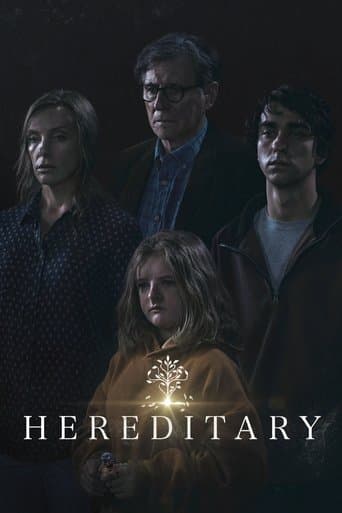
Hereditary (2018) delivers the most terrifying grief-driven occult horror since The Exorcist, with Time magazine calling it "the most terrifying film since The Exorcist." Made for $10 million and grossing $80 million worldwide, it boasts an 89% Rotten Tomatoes rating, grounding its supernatural scares in devastatingly real family unraveling. Toni Collette's overlooked performance stands as one of horror's greatest.
- 0
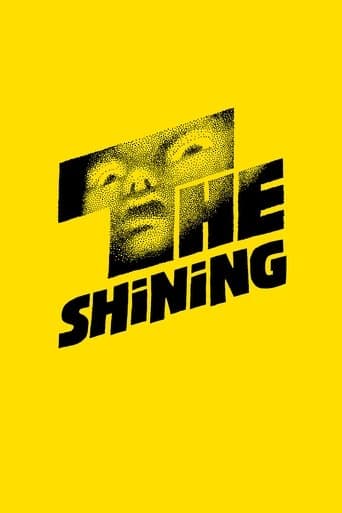
The Shining (1980) sets the benchmark for psychological horror, transforming Stephen King's ghost story into a formally perfect study of domestic violence with a 93% Rotten Tomatoes score. Jack Nicholson's performance as Jack Torrance created iconic images like the twin girls and blood-flooded corridor that have become permanent cultural fixtures.
- 0
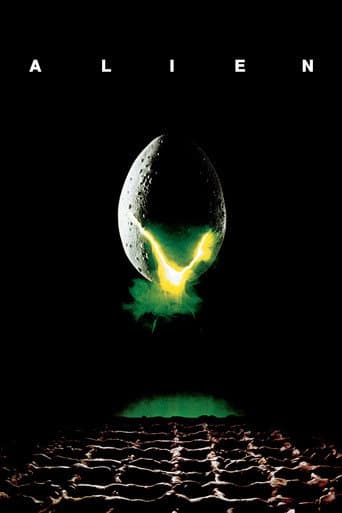
Alien (1979) redefined sci-fi horror by stripping away genre reassurances, replacing them with the inescapable terror of being hunted in a sealed space, winning the Academy Award for Best Visual Effects. H.R. Giger's biomechanical creature design and Ridley Scott's practical effects provoked genuine shock from cast and audience, with the chest-burster scene causing 3 reported fainting incidents during initial screenings.
- 0
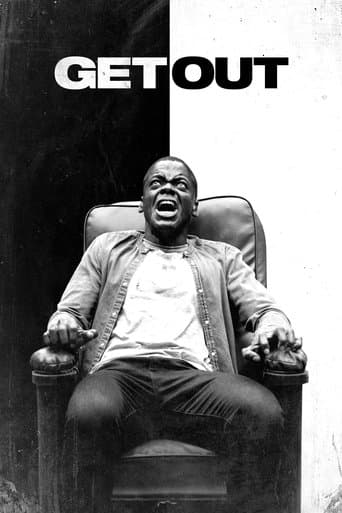
Get Out (2017) turns social discomfort into dread by weaponizing the very politeness that suppresses genuine fear, and it does so with a 98% Rotten Tomatoes rating—surpassing A Nightmare on Elm Street's 91%. Jordan Peele's $4.5 million budget returned $255 million globally, a multiplier of 56.7x. Its Oscar win for Original Screenplay, the fifth directorial debut to achieve this, underscores how its horror stems from real cognitive dissonance: every red flag is explained away, mimicking real-world experiences in liberal white spaces.
- 0
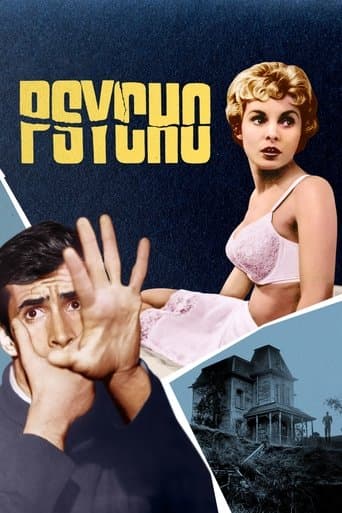
Alfred Hitchcock's subjective killer's-eye-view camera defined the slasher grammar, influencing Get Out's own perspective play. The shower scene, with 78 camera setups over 7 days, remains cinema's most dissected three-minute sequence, proving that psychological rupture is scarier than visible monsters.
- 0
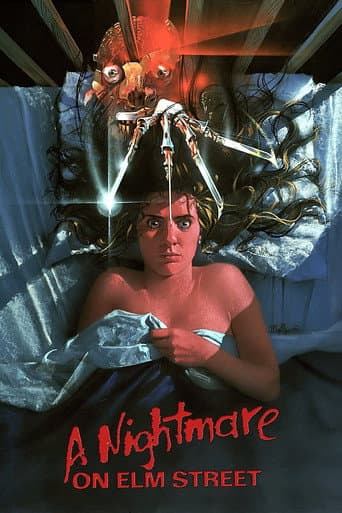
A Nightmare on Elm Street (1984) eliminates the safety of wakefulness by murdering through dreams, and its $1.8 million budget netted $25 million. Wes Craven's concept of sleep as a death sentence is psychologically impeccable. The film's 91% Rotten Tomatoes rating, cementing its durable fear of the unconscious.
- 0
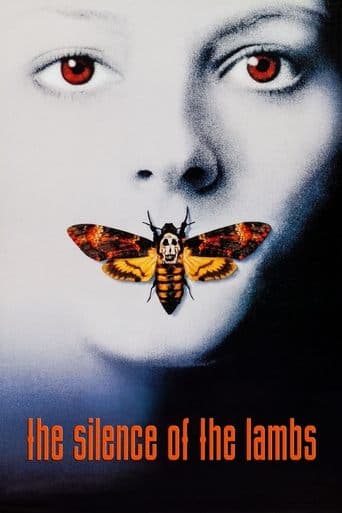
Jonathan Demme's film grossed $272 million on a $19 million budget, a 14.3x return. Clarice Starling's complex agency, which broke feminist barriers, also helped the film hold a 95% Rotten Tomatoes rating.
- 0
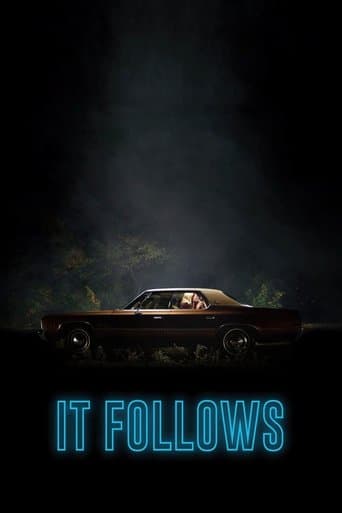
Backed by A24, the film established the distributor as a prestige horror powerhouse, sparking the indie renaissance that produced Hereditary and The VVitch. The metaphor's psychological resonance remains unmatched in 21st-century horror, proving that atmospheric tension without gore can terrify audiences more effectively than any splatter film.
- 0
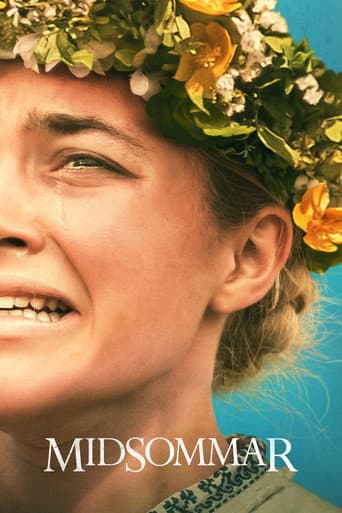
Ari Aster drew on genuine Swedish folk traditions to create anthropologically credible dread, and the film's exploration of toxic relationships redefined cult aesthetics for the late 2010s.
Frequently Asked Questions About Horror Movies
### What makes a film truly scary?
The most effective horror films combine psychological terror with visceral dread, often drawing on universal fears like isolation, the unknown, and loss of control. These top 10 films achieve this through different approaches - supernatural elements, psychological manipulation, social commentary, and visceral imagery - making them classics that continue to unsettle audiences decades after release.
### Why is The Exorcist still considered terrifying?
Released in 1973, The Exorcist revolutionized supernatural horror by grounding its terror in believable human psychology rather than relying on cheap jump scares. Its enduring power comes from its unflinching examination of faith, evil, and parental helplessness - themes that resonate across generations and make it genuinely unsettling rather than merely shocking.
See Also
Image credits
- The Exorcist (1973): Poster: Hoya Productions via TMDB
- Hereditary (2018): Poster: PalmStar Media via TMDB
- The Shining (1980): Poster: Warner Bros. Pictures via TMDB
- Alien (1979): Poster: Brandywine Productions via TMDB
- Get Out (2017): Poster: Monkeypaw Productions via TMDB
- Psycho (1960): Poster: Shamley Productions via TMDB
- A Nightmare on Elm Street (1984): Poster: New Line Cinema via TMDB
- The Silence of the Lambs (1991): Poster: Orion Pictures via TMDB
- It Follows (2014): Poster: Two Flints via TMDB
- Midsommar (2019): Poster: B-Reel Films via TMDB
Related Videos
Rank it your way
Remix this list into your own ranking, or head to the play hub for every game mode and community breakdown — blind mode, challenges, tier lists, and more.
You Might Also Like
Top 10 Best Horror Movies of All Time
Top 10 Best Horror Movies of All Time

Top 10 Most Iconic Squid Game Characters
Top 10 Scariest Horror Films of All Time
Top 10 Movies That Permanently Changed Cinema — Every Film After Them Was Different
Top 10 Movies That Permanently Changed Cinema — Every Fil...

Top 10 Apple Music — Top Albums (US) — April 26, 2026
#1 The Great Divide: The Last Of The Bugs — Noah Kahan · #2 Kehlani — Kehlani · #3 Dandelion — Ella Langley

Apple Music UK Top 10 — May 12, 2026: Olivia Dean & Michael Jackson Top the Chart
#1 Man I Need — Olivia Dean · #2 Rein Me In — Sam Fender & Olivia Dean · #3 Billie Jean — Michael Jackson

Top 10 Apple Music — Top Songs (GB) — August 7, 2026
#1 Rein Me In — Sam Fender & Olivia Dean · #2 Man I Need — Olivia Dean · #3 hate that i made you love me — Ariana Grande