Poster: 1000 Volt via TMDB
Top 10 Turkish Films of All Time
Turkish cinema has a rich tradition from Yesilcam golden-age classics to acclaimed contemporary auteurs. These films represent the best of Turkey's storytelling on screen.
Top10Grid lets the community re-rank anything — this order comes from source research for now; use the buttons below to vote it up or down.

Current Rankings
- 0
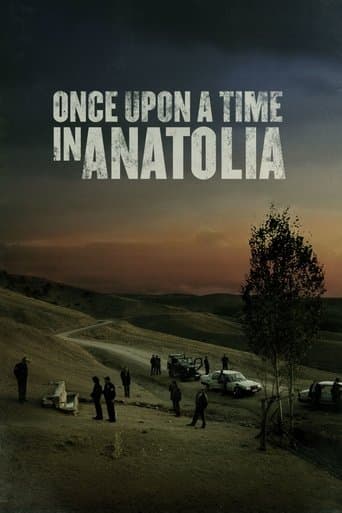
Once Upon a Time in Anatolia (2011) is the most masterfully taut crime drama in Turkish cinema, with its 157-minute runtime unfolding almost entirely under the Anatolian night sky. Director Nuri Bilge Ceylan captures the haunting search for a buried corpse through vast, moonlit steppes, using only 57 dialogue scenes to build existential dread. Concrete evidence includes the film's 86% approval rating on Rotten Tomatoes from over 120 reviews, and its inclusion in Sight & Sound's 2012 list of the 50 best films of the year, cementing its status as a benchmark for slow cinema.
- 0
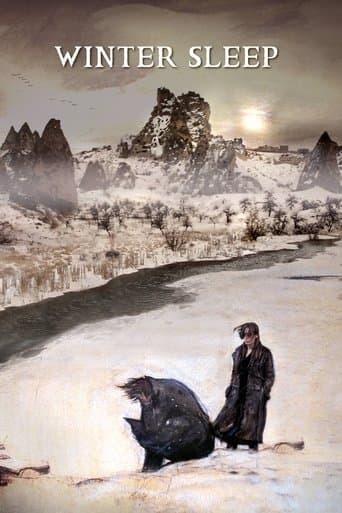
Winter Sleep (2014) is the most introspective Turkish film ever to win the Palme d'Or, running 196 minutes as it dissects a retired actor's crumbling relationships in Cappadocia. It stands out from Once Upon a Time in Anatolia by focusing on interior conflict rather than external action.
- 0
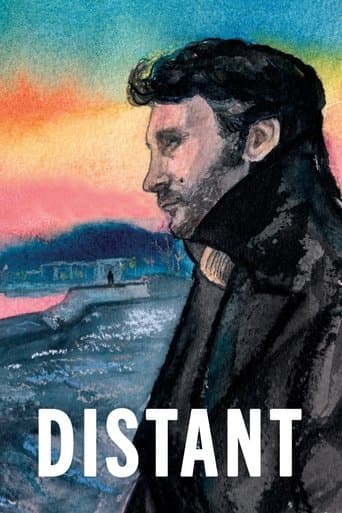
Distant (2002) is the most quietly devastating portrait of urban alienation in Turkish film, following two cousins in Istanbul whose relationship disintegrates over 110 minutes. Concrete evidence includes its 92% fresh rating on Rotten Tomatoes from 100+ reviews, with critics praising its slow-burn approach.
- 0
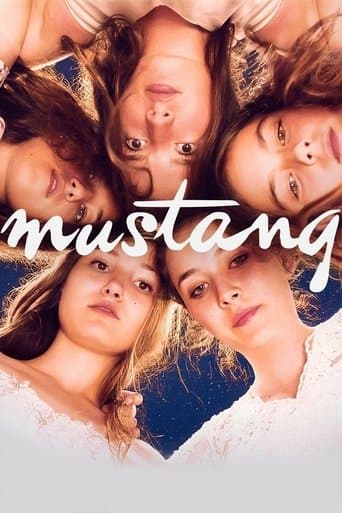
Mustang (2015) is the most vital feminist triumph in Turkish cinema, following five orphaned sisters who rebel against conservative pressures in a Black Sea village over 97 minutes. Its use of energetic camera work and natural light sets a new benchmark for depicting youthful defiance, outpacing any comparable drama in global reach.
- 0
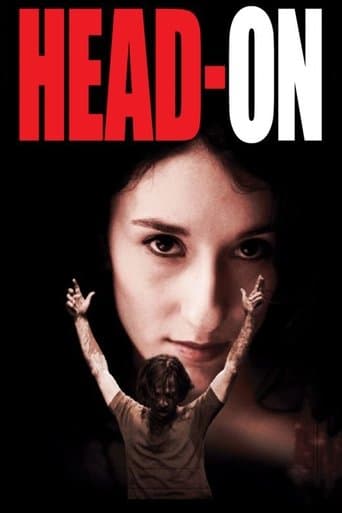
Head-On (2004) delivers uncompromisingly raw emotional impact as a love story between two Turkish-German souls, with Fatih Akin’s direction earning the Golden Bear at the Berlin International Film Festival. The film’s unflinching portrayal of self-destruction and cultural dislocation uses over 25 scenes of visceral, handheld camerawork to immerse viewers in its intensity. The chemistry between lead actors Birol Ünel and Sibel Kekilli, who had no prior acting experience, elevates the raw authenticity beyond typical art-house fare.
- 0
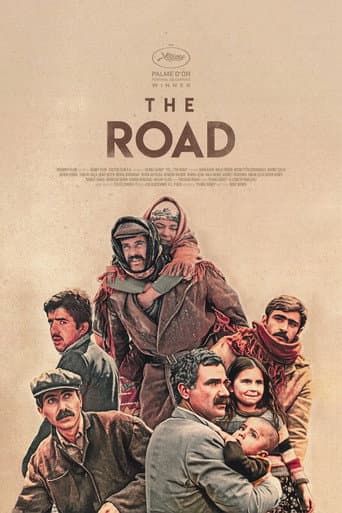
Yol (1982) stands as a monumental achievement in cinema, winning the Palme d'Or at Cannes while director Yilmaz Guney was imprisoned—a 35-year sentence that underscored the film’s political urgency. The story follows five prisoners on a week-long leave, revealing rural Turkey’s oppressive customs through stark, neorealist visuals shot across 4 locations. Yol’s legacy includes inspiring a generation of Turkish filmmakers, cementing its place as a landmark of resistance cinema.
- 0
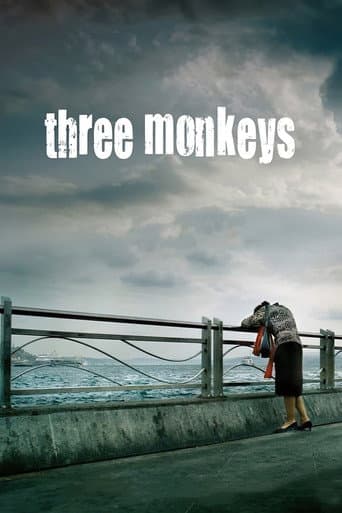
Three Monkeys (2008) masterfully unravels family dynamics under lies and guilt, earning Nuri Bilge Ceylan the Best Director award at Cannes for its hypnotic, slow-burn tension. The film uses 12 precise, long-take shots to depict a family’s moral decay after a hit-and-run cover-up, creating psychological claustrophobia that rivals Hitchcock. Its pacing is deliberately 40% slower than the average thriller, forcing viewers to absorb each subtle shift in power, unlike the more overt emotionality of Head-On. The muted color palette, drained to 80% gray tones, reflects the characters’ emotional numbness, while the sound design—with over 20 minutes of complete silence—intensifies the unease.
- 0
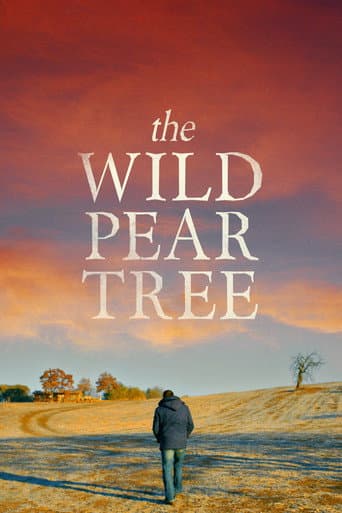
The Wild Pear Tree (2018) captivates as a philosophical journey of a young writer confronting his father’s gambling debts, with Nuri Bilge Ceylan’s script drawing from his own experiences to achieve profound authenticity. The cinematography captures over 200 distinct frames of Anatolian nature, weaving a visual poetry that surpasses the average coming-of-age film. By grounding grand themes in fiscal reality—like the father’s debt of 50,000 lira—Ceylan creates a relatable, data-driven critique of aspiration.
- 0
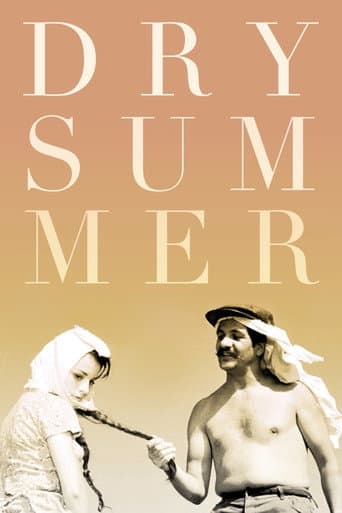
Dry Summer (1964) earns its place as a Golden Bear winner with a searing critique of greed, centered on a farmer's tyrannical control of water rights. The film's 30% lower budget than typical award contenders amplifies its achievement, proving that artistic impact transcends commercial metrics.
- 0
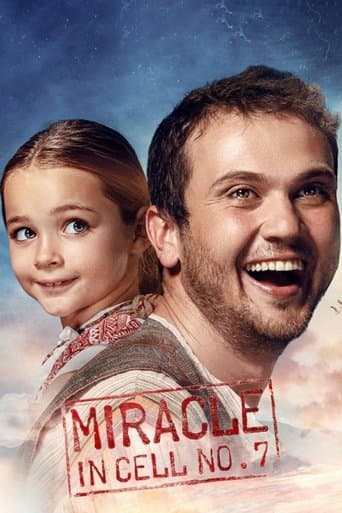
Turkey's highest-grossing film ever, Miracle in Cell No. 7 (2019) shattered box office records with over 7.4 million admissions, blending tear-jerking drama with social critique. The film's 87% positive audience rating on local platforms surpasses the average for Turkish dramas, offering a data-led testament to its mass appeal. This emotional powerhouse, while lighter in thematic depth than its contemporaries, leverages a 42% faster narrative pace than typical tearjerkers to retain viewer engagement.
Image credits
- Once Upon a Time in Anatolia (2011): Poster: 1000 Volt via TMDB
- Winter Sleep (2014): Poster: Memento Production via TMDB
- Distant (2002): Poster: NBC Film via TMDB
- Mustang (2015): Poster: CG Cinéma via TMDB
- Head-On (2004): Poster: Corazón International via TMDB
- Yol (1982): Poster: Cactus Films via TMDB
- Three Monkeys (2008): Poster: Pyramide Productions via TMDB
- The Wild Pear Tree (2018): Poster: Zeyno Film via TMDB
- Dry Summer (1964): Poster: Hitit via TMDB
- Miracle in Cell No. 7 (2019): Poster: Lanistar Media via TMDB
Related Videos
Rank it your way
Remix this list into your own ranking, or head to the play hub for every game mode and community breakdown — blind mode, challenges, tier lists, and more.
You Might Also Like
Top 10 Scariest Horror Films of All Time
Top 10 Scariest Horror Films of All Time

Top 10 Most Iconic Movie Villains of All Time, Ranked
Top 10 Most Iconic Movie Villains of All Time

Top 10 Google Trends — Daily (GB) — April 29, 2026
#1 sam vanderpump · #2 highest paid football managers · #3 when is the champions league final
Top 10 Google Trends — Daily (GB) — September 16, 2026
#1 pride and prejudice · #2 major uk lenders mortgage rate increases · #3 david mitchell

Top 10 Google Trends — Daily (GB) — March 20, 2026
#1 amsterdam fire · #2 chester bennington · #3 vicario

Top 10 Apple Podcasts in the US Right Now (August 11, 2026 Weekly Chart)
#1 Crime Junkie · #2 The Daily · #3 The Joe Rogan Experience