#6
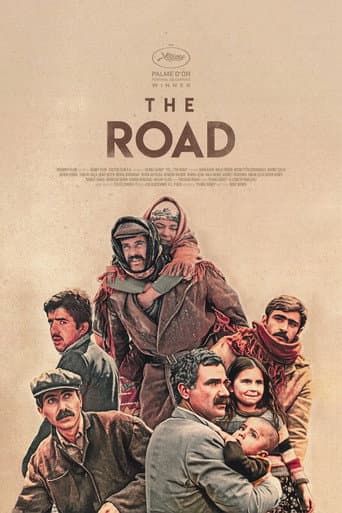
Yol (1982)
Yol (1982) stands as a monumental achievement in cinema, winning the Palme d'Or at Cannes while director Yilmaz Guney was imprisoned—a 35-year sentence that underscored the film’s political urgency. The story follows five prisoners on a week-long leave, revealing rural Turkey’s oppressive customs through stark, neorealist visuals shot across 4 locations. Yol’s legacy includes inspiring a generation of Turkish filmmakers, cementing its place as a landmark of resistance cinema.
–
Photos (1)
Comments on "Yol (1982)"
Have a take on this ranking?
Save your rankings and see how you compare. Comments are how the argument actually happens here. Posting one needs a free account — it takes about a minute.
No comments yet.
The first comment sets the terms of the argument.