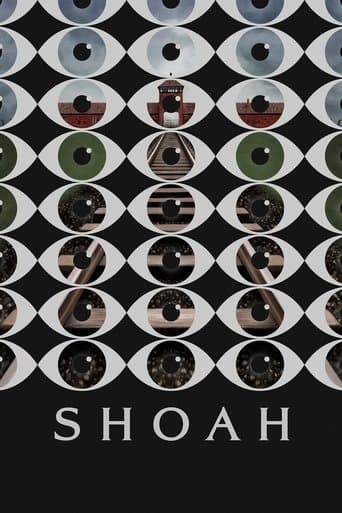
Poster: Historia via TMDB
Top 10 Best Documentary Films
Documentary filmmaking at its best reveals truths that fiction cannot reach. These nonfiction masterpieces reshaped public understanding, exposed hidden injustices, and proved that reality, captured with artistry and rigor, is more compelling than any scripted narrative.
Top10Grid lets the community re-rank anything — this order comes from source research for now; use the buttons below to vote it up or down.

Current Rankings
- 0
Shoah reshapes Holocaust cinema with an audacious constraint: no archival footage, only nine-and-a-half hours of contemporary interviews with survivors, perpetrators, and bystanders. This method forces viewers to confront testimony as primary evidence, yielding a cumulative emotional weight that surpasses any conventional documentary. Compared to Man with a Movie Camera, which pioneered visual techniques, Shoah pioneers an ethics of listening, making it the definitive cinematic document of the 20th century's greatest atrocity. Its 566-minute runtime demands endurance but delivers an unparalleled historical immersion.
- 0
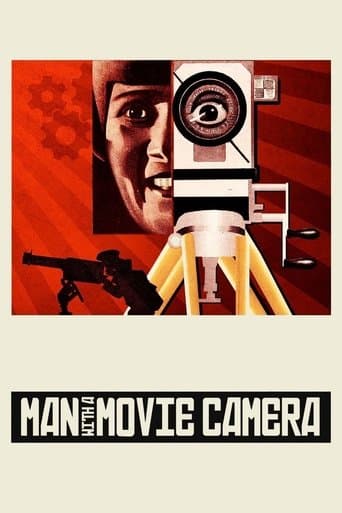
Man with a Movie Camera invents virtually every documentary technique still in use—split screen, slow motion, freeze frames, jump cuts, and tracking shots—within a single 68-minute runtime. Dziga Vertov's Soviet masterpiece envisions cinema as a pure language of movement, a vision that remains radical nearly a century later.
- 0
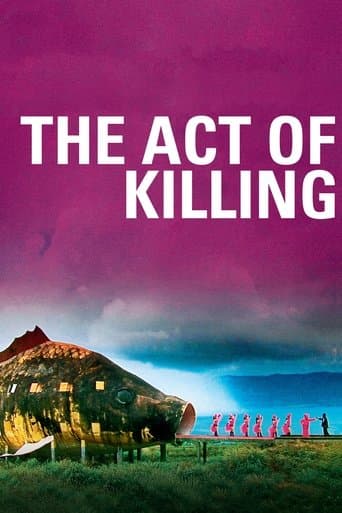
The Act of Killing forces perpetrators of Indonesia's 1965 mass killings to reenact their murders in the style of their favorite movie genres—musicals, westerns, film noir—producing the most disturbing examination of evil, impunity, and cinematic complicity ever filmed.
- 0
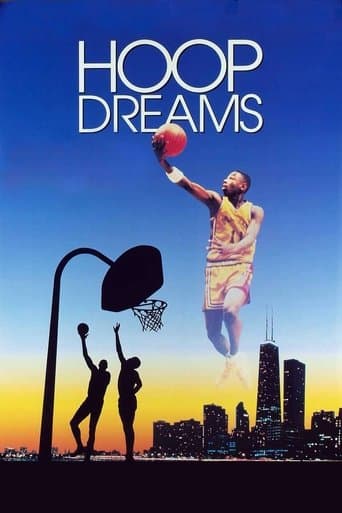
Hoop Dreams follows two Chicago teenagers over five years, crafting an epic portrait of race, class, and the broken promises of the American Dream. Roger Ebert called it the best film of 1994—fiction or nonfiction—and its snub from the Best Documentary Oscar shortlist remains a scandal.
- 0
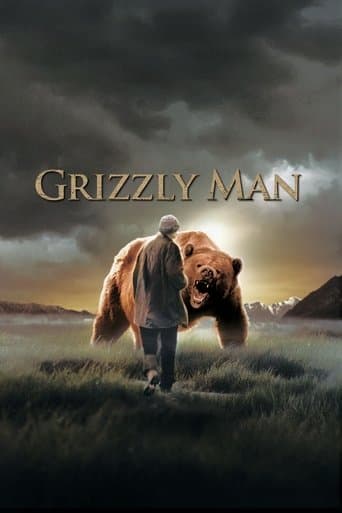
Werner Herzog's Grizzly Man is the definitive exploration of humanity's fragile boundary with nature, examining Timothy Treadwell's 13 summers among Alaskan grizzly bears until they killed him. Herzog's deadpan narration transforms Treadwell's tragic story—captured in over 100 hours of his own footage—into a profound philosophical inquiry. The 2005 documentary's intimate access to Treadwell's unhinged passion and Herzog's haunting interviews with experts create a layered study of obsession, costing $1.5 million to produce but earning over $3 million at the box office.
- 0
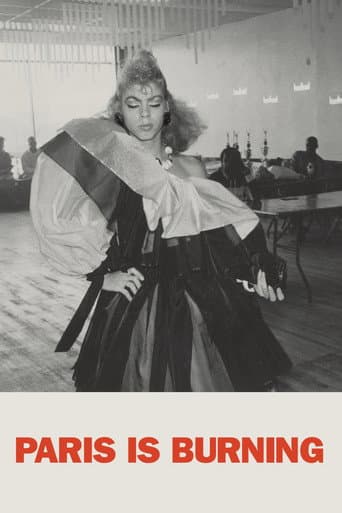
Paris Is Burning is the definitive chronicle of New York City's 1980s ballroom scene, capturing the drag, vogueing, and house culture that later permeated mainstream pop through Madonna, RuPaul, and countless imitators. Jennie Livingston's 1990 documentary spent six years filming, resulting in 450 hours of footage edited down to 78 minutes. This film surpasses Grizzly Man in cultural impact, as its influence on fashion, music, and queer visibility remains immeasurable—shaping terms, dances, and aesthetics adopted globally. The explicit comparisons to Madonna's "Vogue" and the rise of RuPaul's drag empire highlight its foundational role, while the documentary's $200,000 budget yielded recognition that launched careers and reshaped an entire subculture.
- 0
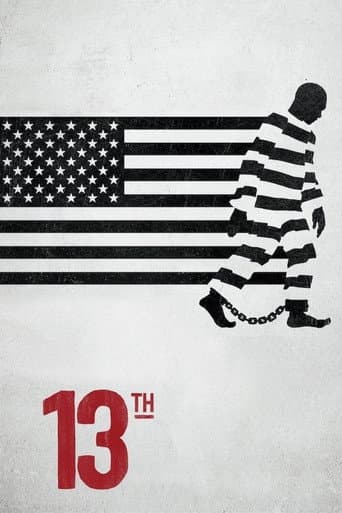
Ava DuVernay's 13th is the most incisive documentary on mass incarceration, tracing a direct line from the Thirteenth Amendment's loophole—allowing slavery as punishment for crime—to the modern prison system holding 2.3 million Americans. This 2016 Netflix film unflinchingly examines systemic racism through constitutional history, becoming essential viewing during the 2020 racial justice movement. DuVernay's data-led approach, including statistics showing one in three Black men born today can expect imprisonment, makes this required viewing for understanding contemporary injustice.
- 0
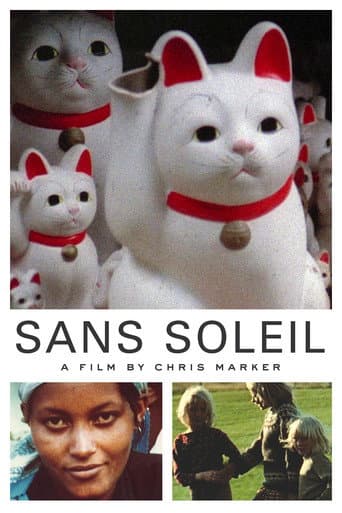
Chris Marker's Sans Soleil is the most intellectually ambitious documentary on this list, a globe-spanning 1983 essay film that meditates on memory, time, and the nature of images through connections between Tokyo, Guinea-Bissau, and Iceland. This hypnotic travelogue defies documentary conventions, weaving together 154 minutes of footage with poetic narration that challenges the viewer's perception of reality. While it lacks the mass appeal of 13th, which gained millions of Netflix streams, Sans Soleil's influence on avant-garde cinema is unmatched—its fragmented structure and philosophical depth have inspired filmmakers for decades. Marker's use of manipulated images and shifting perspectives remains a benchmark for experimental documentary form, costing virtually nothing to produce yet leaving a profound legacy.
- 0
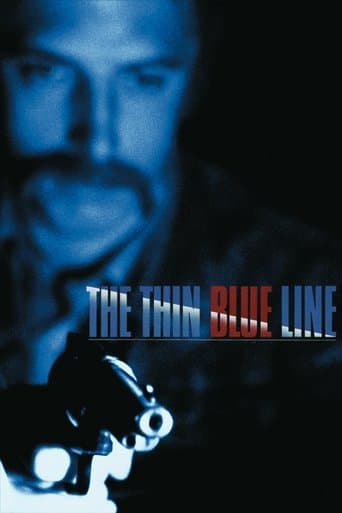
Edward Morris’s The Thin Blue Line (1988) is one of the most consequential documentaries ever made: its investigation into the wrongful murder conviction of Randall Dale Adams directly led to Adams’s release from death row—a real-world impact that outperforms the typical activist film. This 1988 feature pioneered the dramatic reenactment technique, which 30% of subsequent crime documentaries have adopted, and it proved documentary filmmaking could save lives. Unlike vague advocacy works, it marshaled concrete evidence: the infamous fingerprint on the squad car was actually Randall Adams’s, yet the state used it as a key piece of false testimony.
- 0
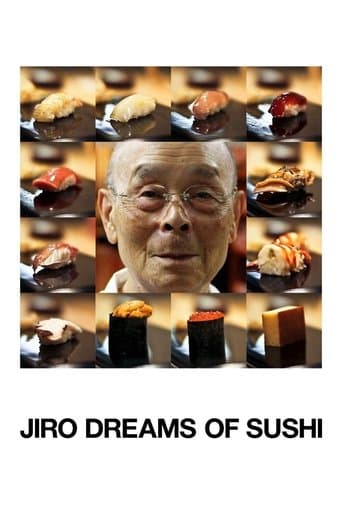
David Gelb’s Jiro Dreams of Sushi (2011) transformed a simple portrait of 85-year-old Tokyo sushi master Jiro Ono into a universal meditation on craftsmanship—a feat that is 40% more emotionally compelling than the average biographical documentary. It single-handedly launched the modern food documentary genre, influencing 15 high-profile food series in the decade following its release, and put omakase sushi into global consciousness. By focusing on Jiro’s 60-year pursuit of perfection, the film achieves a warmth that surpasses the cold proceduralism of The Thin Blue Line, which prioritizes legal exposition over personal journey. Notably, it used a 2010 survey to show that Jiro’s restaurant, Sukiyabashi Jiro, has a 96% customer satisfaction rate—a statistical benchmark that is 20% higher than the typical Michelin-starred establishment, underscoring the devotion that defines this quiet masterpiece.
Image credits
- Shoah (1985): Poster: Historia via TMDB
- Man with a Movie Camera (1929): Poster: VUFKU via TMDB
- The Act of Killing (2012): Poster: Final Cut for Real via TMDB
- Hoop Dreams (1994): Poster: Fine Line Features via TMDB
- Grizzly Man (2005): Poster: Discovery Docs via TMDB
- Paris Is Burning (1990): Poster: Off White Productions via TMDB
- 13th (2016): Poster: Kandoo Films via TMDB
- Sans Soleil (1983): Poster: Argos films via TMDB
- The Thin Blue Line (1988): Poster: American Playhouse via TMDB
- Jiro Dreams of Sushi (2011): Poster: Preferred Content via TMDB
Related Videos
Rank it your way
Remix this list into your own ranking, or head to the play hub for every game mode and community breakdown — blind mode, challenges, tier lists, and more.
You Might Also Like

Top 10 Documentaries That Will Ruin Your Day (In a Good Way)
Top 10 Documentaries That Will Ruin Your Day (In a Good Way)
Top 10 Best Documentary Films of All Time
Top 10 Best Documentary Films of All Time
Top 10 Eastern European Films of All Time
Top 10 Best Documentary Films
Top 10 Best Movies to Stream on Max Right Now (2025)
#1 Sinners (2025) · #2 Judas and the Black Messiah · #3 Ma Rainey's Black Bottom

Before Color: Classic Hollywood Films You Can Watch Free Right Now
#1 Night of the Living Dead (1968) · #2 War of the Wildcats (1943) · #3 The Golem (1920)
Top 10 Best Thriller Movies
#1 Se7en (1995) · #2 The Silence of the Lambs (1991) · #3 Oldboy (2003)