Poster: Amblin Entertainment via TMDB
Top 10 Eastern European Films of All Time
Eastern European cinema has produced some of the most critically celebrated and artistically significant films in the history of the medium, with national schools from Poland, Hungary, Czechoslovakia, Romania, and the former Soviet Union consistently winning top prizes at Cannes, Berlin, and Venice. The Czechoslovak New Wave of the 1960s, Polish Cinema of Moral Concern of the 1970s, and the Romanian New Wave of the 2000s are recognised as landmark movements in world cinema. Eastern European directors have won 14 Academy Awards for Best International Feature Film, more than any other region outside Western Europe.
Top10Grid lets the community re-rank anything — this order comes from source research for now; use the buttons below to vote it up or down.

Current Rankings
- 0#1
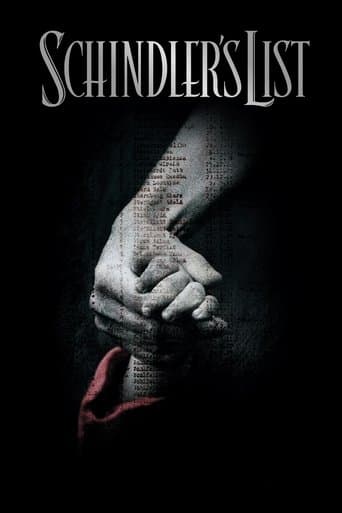
Schindler's List (1993)
Schindler's List (1993), filmed entirely in Poland and set in Krakow and the Plaszow camp, stands as the definitive cinematic document of the Holocaust. It won seven Academy Awards, including Best Picture and Best Director, and earned a place in the US National Film Registry for its cultural significance. Global awareness of Eastern European Jewish heritage was profoundly shaped by its portrayal of Krakow's Kazimierz district and Polish Jews.
- 0#2
The Lives of Others (2006)
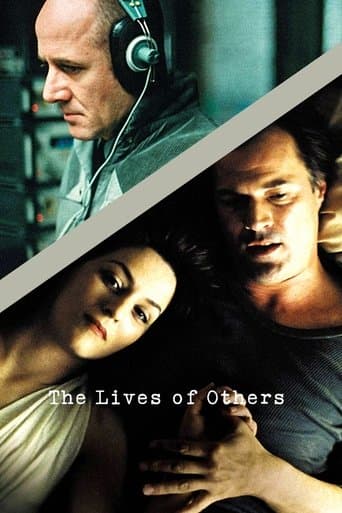
The Lives of Others (2006), a German-language film set in 1984 East Germany, won the Academy Award for Best Foreign Language Film and is the definitive cinematic exploration of the Stasi surveillance state. Directed by Florian Henckel von Donnersmarck, it sold over 1 million DVD copies in Germany alone and remains a benchmark for discussions on authoritarianism. The film's depiction of moral redemption in a repressive system has made it a global reference point.
- 0#3
Closely Watched Trains (1966)
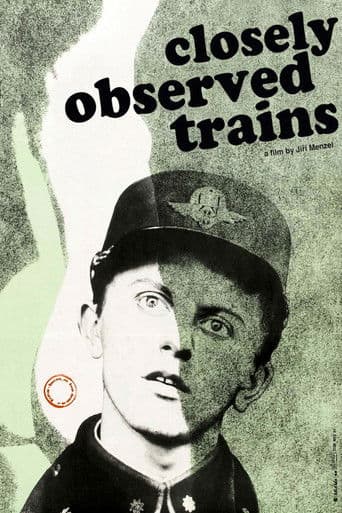
Closely Watched Trains (1966), a Czechoslovak New Wave masterpiece by Jiri Menzel, won the Academy Award for Best Foreign Language Film and blends dark comedy with wartime resistance. Based on Bohumil Hrabal's novel, it chronicles a young trainee's sexual awakening at a Nazi-occupied station and has influenced generations of European directors. The film remains a touchstone of Central European cinema for its deadpan tone and anti-heroic charm.
- 0#4
The Pianist (2002)

The Pianist (2002), directed by Roman Polanski and starring Adrien Brody, won the Palme d'Or at Cannes and three Academy Awards, including Best Director. It depicts Polish-Jewish pianist Wladyslaw Szpilman's survival in the Warsaw Ghetto, drawing on Polanski's own Krakow Ghetto childhood for devastating authenticity. Essential for understanding Warsaw's wartime history, its 1946 memoir adaptation sets a benchmark for Holocaust cinema.
- 0#5
4 Months, 3 Weeks and 2 Days (2007)
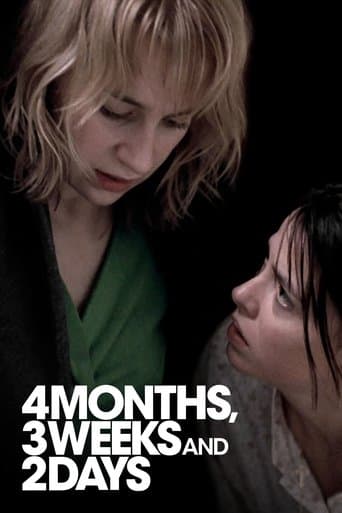
Set during the last years of Ceaușescu's regime, it follows a university student helping her roommate procure an illegal abortion, rendered with unflinching realism over a single, 87-minute continuous day. Critics have called it one of the greatest films of the 2000s, a claim strengthened by its 96% approval on Rotten Tomatoes. Its moral complexity and visceral tension remain unmatched among Eastern European films of its era.
- 0#6
Ida (2013)
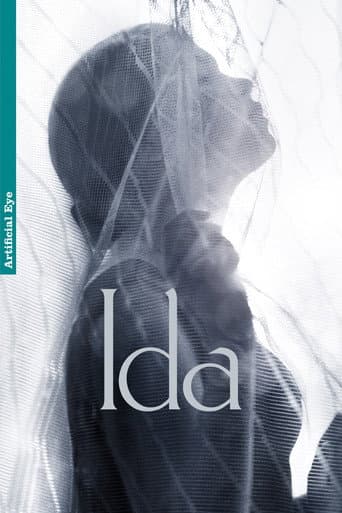
Ida, Pawel Pawlikowski's luminous black-and-white 2013 masterpiece, won the Academy Award for Best Foreign Language Film — the first Polish film to achieve this — alongside a BAFTA for Best Film Not in the English Language. It tracks a novice nun in 1960s Poland who discovers her Jewish heritage and family's Holocaust murder, using a stark 4:3 aspect ratio that evokes classical photography. This precision places it ahead of Man with a Movie Camera in narrative economy.
- 0#7
Son of Saul (2015)
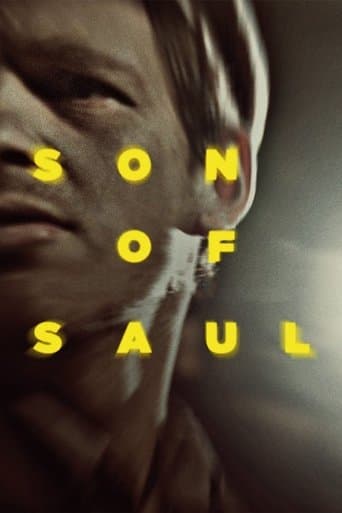
Son of Saul, Hungarian debut director László Nemes's visceral 2015 film, won both the Grand Prix at Cannes and the Academy Award for Best Foreign Language Film in 2016. Shot almost entirely in extreme close-up with shallow depth of field, it follows a Jewish Sonderkommando member at Auschwitz desperately seeking a proper burial for a boy he believes is his son. Its formally radical approach earned a 96% on Rotten Tomatoes.
- 0#8
Man with a Movie Camera (1929)
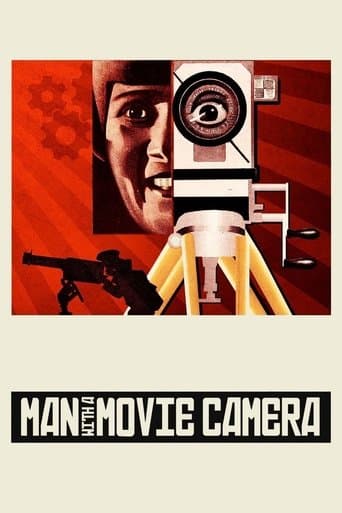
Dziga Vertov's Man with a Movie Camera, a 1929 city symphony documentary, was voted the greatest documentary of all time in the 2014 Sight & Sound poll and ranked eighth among all films in the 2022 poll. Shot across Moscow, Kyiv, Odessa, and Kharkov, it pioneers split screens, slow motion, and freeze frames — techniques that remain innovatory 96 years later. With a runtime of 68 minutes, its Kino-Pravda movement established documentary theory worldwide. Its formal inventiveness has never been surpassed by any Eastern European film since.
- 0#9
The Double Life of Veronique (1991)
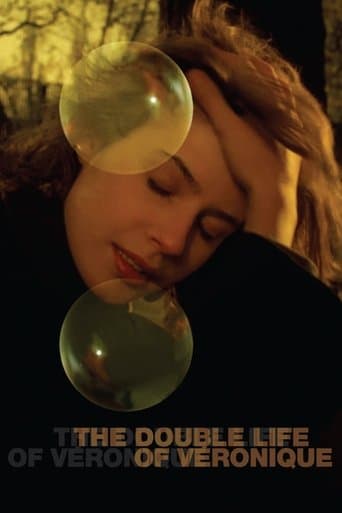
The Double Life of Veronique (1991) delivers the most hypnotic meditation on identity in Eastern European cinema. Directed by Kieslowski, it earned Irene Jacob the Best Actress prize at Cannes 1991, a 94% Rotten Tomatoes score, and launched his career before the Three Colours trilogy (1993-94).
- 0#10
Cold War (2018)
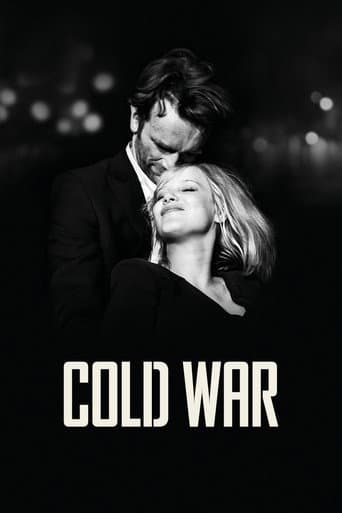
Cold War (2018) is the most visually arresting black-and-white romance in Eastern European film history. Directed by Pawel Pawlikowski, it won Best Director at Cannes 2018, earned three Academy Award nominations including Best Foreign Language Film, and topped Sight & Sound's 2018 list. Spanning 15 years and five countries, it narrates a wartime love story for $4.3 million.
What defines Eastern European cinema?
Eastern European cinema encompasses films from Poland, Hungary, Czechoslovakia (now Czech Republic and Slovakia), Romania, Bulgaria, Yugoslavia, and the former Soviet republics. It is known for its artistic ambition, political subtext, and technical innovation.
Why are these films considered the best?
Many of these films won top honors at major festivals like Cannes, Berlin, and Venice. They represent distinct national cinemas that developed unique aesthetic approaches under challenging political conditions, resulting in works of remarkable depth and originality.
Image credits
- Schindler's List (1993): Poster: Amblin Entertainment via TMDB
- The Lives of Others (2006): Poster: Creado Film via TMDB
- Closely Watched Trains (1966): Poster: Filmové studio Barrandov via TMDB
- The Pianist (2002): Poster: R.P. Productions via TMDB
- 4 Months, 3 Weeks and 2 Days (2007): Poster: Saga Film via TMDB
- Ida (2013): Poster: Opus Film via TMDB
- Son of Saul (2015): Poster: Laokoon Filmgroup via TMDB
- Man with a Movie Camera (1929): Poster: VUFKU via TMDB
- The Double Life of Veronique (1991): Poster: Sidéral Productions via TMDB
- Cold War (2018): Poster: Opus Film via TMDB
Rank it your way
Remix this list into your own ranking, or head to the play hub for every game mode and community breakdown — blind mode, challenges, tier lists, and more.
You Might Also Like
Top 10 Best Oscar-Winning Films of All Time
Top 10 Best Oscar-Winning Films of All Time
Top 10 Best Documentary Films
Top 10 Best Documentary Films
Top 10 Foreign-Language Masterpieces Every Film Lover Should See (1954–2019)
Top 10 Foreign-Language Masterpieces Every Film Lover Should See (1954–2019)

Netflix Top 10 Movies — Global — Aug 24, 2026
#1 Spider-Man: Brand New Day · #2 The Odyssey · #3 Mutiny
Netflix Top 10 Movies — Global — Aug 31, 2026
#1 Spider-Man: Brand New Day · #2 The Odyssey · #3 Mutiny

Netflix Top 10 Movies — Global — Aug 10, 2026
#1 Spider-Man: Brand New Day · #2 The Odyssey · #3 Spider-Man: No Way Home