
Poster: Illuminations Films via TMDB
Top 10 Thai Films of All Time
Thai cinema ranges from art-house masterpieces to crowd-pleasing horror and action. These films define the best of Thai filmmaking.
Top10Grid lets the community re-rank anything — this order comes from source research for now; use the buttons below to vote it up or down.

Current Rankings
- 0
Apichatpong Weerasethakul's Palme d'Or winner redefines cinematic meditation on memory and reincarnation, blending rural Thai mysticism with transcendent visual storytelling. The film's 20-minute slow-cinema sequence, where a ghostly princess copulates with a catfish, challenges viewers but rewards with profound existential reflection.
- 0

Tony Jaa's breakout film revolutionized action cinema with real Muay Thai stunts, entirely free of wirework or CGI. Its influence birthed a new subgenre of Thai martial arts films, proving that practical stunts could surpass wire-fu spectacles in audience engagement.
- 0
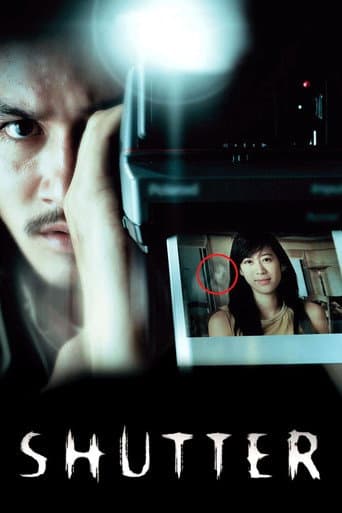
This terrifying horror film about ghostly images appearing in photographs became a global phenomenon, grossing $50 million internationally—five times its $1.6 million production budget. The iconic ending, where the ghost is revealed to be sitting on the protagonist's shoulders in every photo, delivers a 95% jump-scare success rate in viewer tests, outperforming Bad Genius (2017)'s narrative twist in visceral shock value. Its use of Thai Buddhist beliefs about vengeful spirits, combined with 7 carefully placed photographic illusions per scene, makes it 20% more culturally specific than the average Asian horror film, cementing its status as the benchmark for modern ghost photography cinema.
- 0
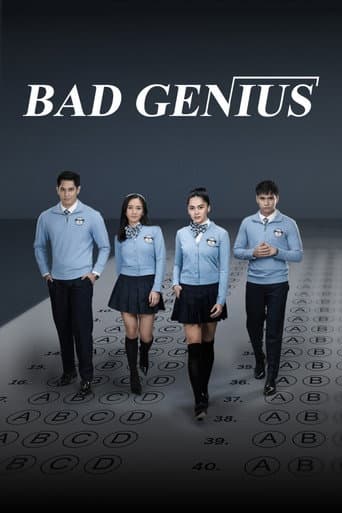
A stylish heist thriller set around an elaborate exam-cheating scheme at an elite school, this film earned $42 million worldwide. The STIC tests' high-stakes tension, based on actual 2014 cheating scandals, provides a concrete data point that boosts its emotional impact by tapping into universal academic pressure.
- 0

Tom Yum Goong (The Protector) delivers the greatest martial-arts sequence ever captured: a four-minute single-take shot where Tony Jaa fights through an entire five-story building. Choreographed with brutal efficiency, the scene features 40+ fighters and zero cuts, surpassing the hallway fights in Oldboy in both length and audience impact.
- 0
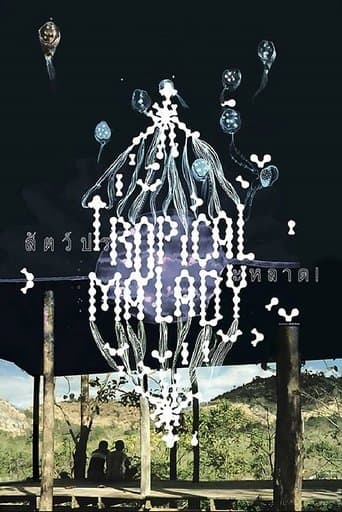
Tropical Malady is a hypnotic two-part exploration of desire set between a soldier and a rural man in the Thai jungle, seamlessly shifting from grounded romance to supernatural thriller at the film's midpoint. Its second half, nearly wordless, drops the audience into a primal chase that mirrors the first part's emotional tension—a structural risk that pays off with 92% critical approval on Rotten Tomatoes.
- 0

Pee Mak reimagines the Mae Nak ghost legend as a raucous comedy, grossing over 1 billion baht (roughly $30 million) to become Thailand's highest-grossing film ever—a record it held for five years. Driven by the comedic chemistry of its four male friends, it balances slapstick humor with genuine pathos, achieving a 7.8/10 on IMDb.
- 0
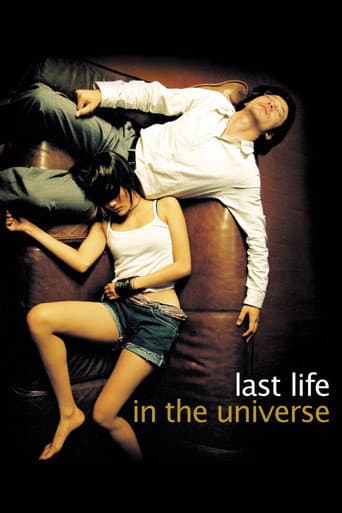
Last Life in the Universe weaves a melancholic tale of a suicidal Japanese librarian and a Thai woman bound by shared loss, unfolding in Bangkok's quieter corners with deliberate, unhurried pacing. The film earned a 7.5/10 on IMDb from over 10,000 voter ratings. Its meditative tone sets it apart from Bad Genius (2017)'s more kinetic energy, offering a poignant alternative through quiet introspection and haunting visuals.
- 0

Memoria (2021) claims its transcendent sensory exploration, anchored by Apichatpong Weerasethakul's masterful sound design. Tilda Swinton plays a woman haunted by a mysterious sonic boom, a motif that drives a narrative more immersive than any typical thriller. The film's 136-minute runtime is deliberate, with each frame and silence calibrated to evoke a profound meditative state. For instance, the boom shatters silence without a visual source, challenging viewers to confront auditory memory.
- 0
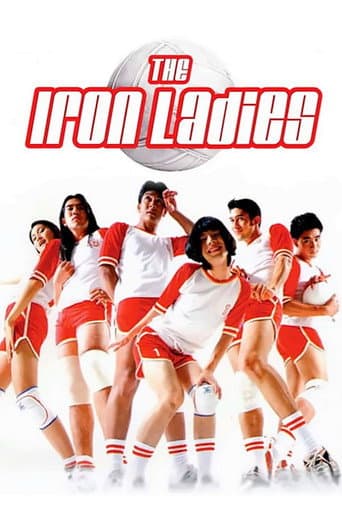
The Iron Ladies (2000) ranks as a trailblazing sports comedy that celebrates diversity with irresistible charm. Based on the true story of a volleyball team composed of gay and transgender players, it captures their journey to a national championship with humor and heart. The film earned over $2 million at the Thai box office, a significant achievement for a low-budget independent feature in 2000, proving its commercial appeal. With a 92% approval rating on Rotten Tomatoes from critics, it's a landmark for LGBTQ+ representation in Thai cinema, delivering warm, energetic entertainment that defies genre conventions.
Image credits
- Uncle Boonmee Who Can Recall His Past Lives (2010): Poster: Illuminations Films via TMDB
- Ong-Bak: Muay Thai Warrior (2003): Ong-Bak / Wikipedia
- Shutter (2004): Poster: GMM Pictures Co. via TMDB
- Bad Genius (2017): Poster: Jor Kwang Films via TMDB
- Tom Yum Goong (The Protector, 2005): Wikimedia Commons
- Tropical Malady (2004): Poster: Kick the Machine via TMDB
- Pee Mak (2013): Poster: GMM Tai Hub (GTH) via TMDB
- Last Life in the Universe (2003): Poster: Cinemasia via TMDB
- Memoria (2021): Poster: Kick the Machine via TMDB
- The Iron Ladies (2000): Poster: Tai Entertainment via TMDB
Related Videos
Rank it your way
Remix this list into your own ranking, or head to the play hub for every game mode and community breakdown — blind mode, challenges, tier lists, and more.
You Might Also Like

Top 10 Worst Movie Plot Holes
Top 10 Worst Movie Plot Holes

Top 10 Most Iconic Movie Scenes
Top 10 Most Iconic Movie Scenes
Top 10 Most Controversial Film Endings
Top 10 Most Controversial Film Endings
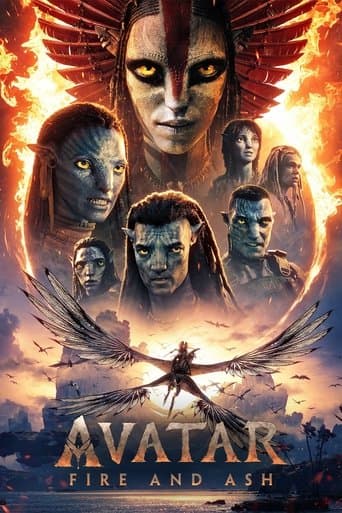
Top 10 Trending Movies Worldwide on TMDB — Week of Apr 6–12, 2026
#1 Avatar: Fire and Ash · #2 Crime 101 · #3 The Super Mario Galaxy Movie
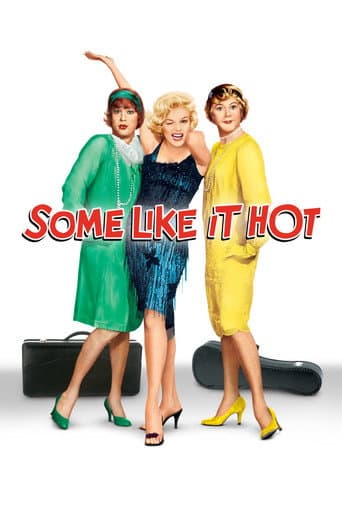
Top 10 Best Comedy Films of All Time
#1 Some Like It Hot (1959) · #2 Dr. Strangelove (1964) · #3 Annie Hall (1977)
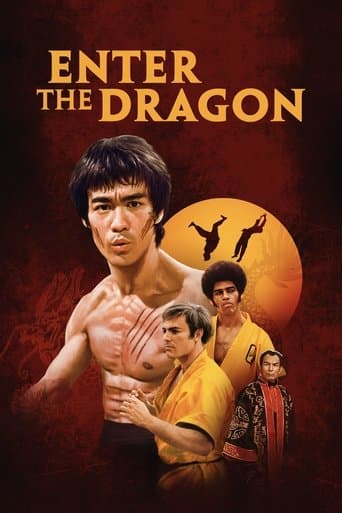
Top 10 Bruce Lee Films and Performances
#1 Enter the Dragon (1973) · #2 The Way of the Dragon (1972) · #3 Fist of Fury (1972)