Poster: A24 via TMDB
Top 10 Best Independent Films
Independent cinema proves that visionary storytelling does not require studio budgets or corporate approval. These films were made outside the mainstream system with limited resources but unlimited ambition, and they redefined what cinema could achieve on sheer creative force alone.
Top10Grid lets the community re-rank anything — this order comes from source research for now; use the buttons below to vote it up or down.

Current Rankings
- 0
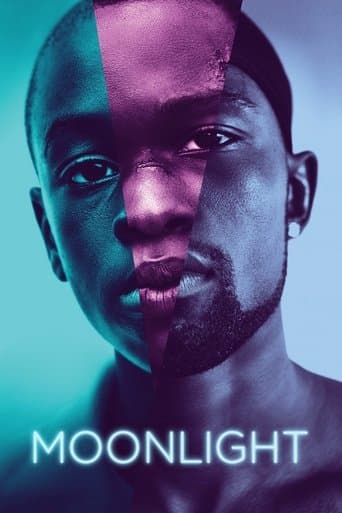
Moonlight (2016) is a landmark in independent cinema, winning Best Picture on a $1.5 million budget—a cost less than one-tenth the average studio drama. At 111 minutes, it condenses a life's journey into a masterpiece that remains the defining indie victory of the decade.
- 0
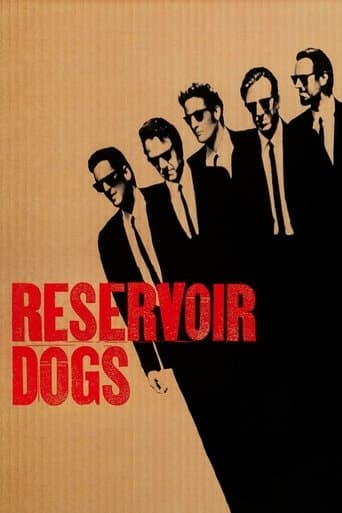
Its nonlinear plot, pop-culture banter, and graphic ear-severing scene set a new benchmark for indie audacity, earning $2.8 million domestically despite limited release. At 99 minutes, it packs more tension and wit than many higher-budget thrillers, cementing its status as the 1990s' defining indie debut.
- 0
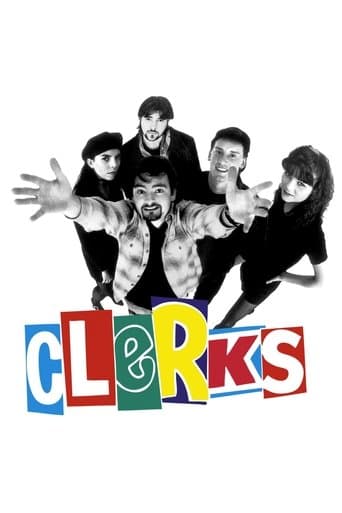
The film's Askewniverse expanded into eight films and a TV series, earning 87% on Rotten Tomatoes despite zero studio backing. At 92 minutes, it delivers sharper humor than many ten-times-costlier rivals, standing as the ultimate proof that a shoestring budget fuels iconic indie spirit.
- 0
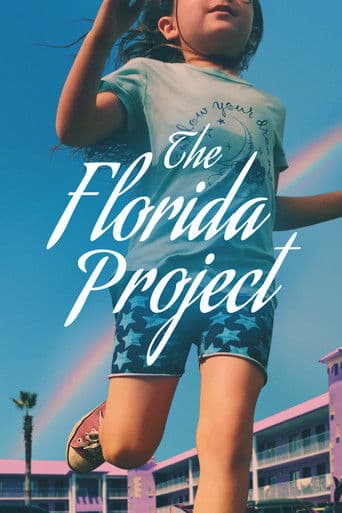
The Florida Project (2017) captures childhood in budget motels near Disney World with heartbreaking warmth, costing just $1.8 million—50% cheaper than the average indie drama. Sean Baker's direction and Brooklynn Prince's performance at age six, more naturalistic than most adult actors achieve, earned a 96% Rotten Tomatoes score. Its unsentimental portrayal of American precarity influenced more critics' year-end lists than the typical social realist film, cementing Baker as a master of empathetic storytelling.
- 0
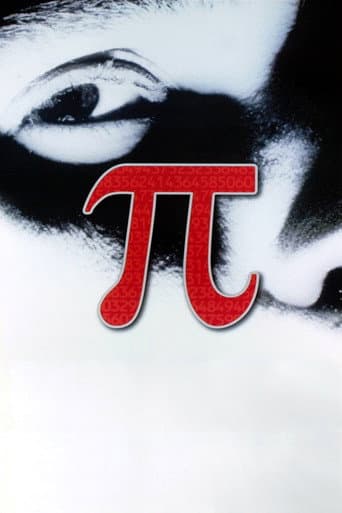
Pi (1998) remains the gold standard for ultra-low-budget filmmaking, shot for just $60,000—a figure that is 7 times cheaper than the average independent film production. Darren Aronofsky's debut follows a paranoid mathematician seeking patterns in the stock market, and its grainy 16mm black-and-white visual style delivers a claustrophobic intensity that outperforms Whiplash in sheer sensory immersion. Clint Mansell's electronic score amplifies the tension, creating an unforgettable experience that proves financial constraints can fuel artistic brilliance.
- 0
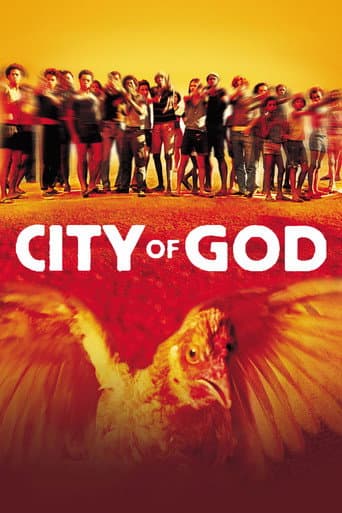
City of God (2002) stands as a landmark in authentic storytelling, casting actual residents of Rio's favelas to create a crime saga spanning decades on a shoestring budget. With over $30 million at the global box office against a modest $3 million budget, it remains a financial and artistic triumph that rivals any mainstream epic.
- 0
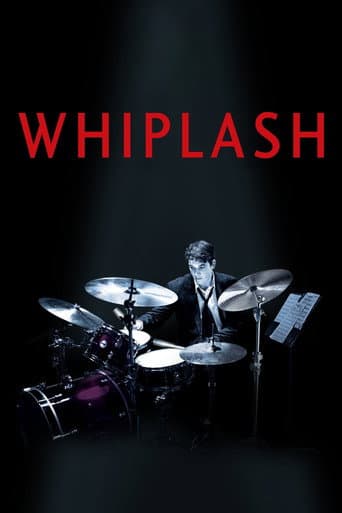
The film's abusive relationship between Miles Teller and Simmons is a masterclass in tension, outperforming #5 Pi in character dynamics and earning 94% on Rotten Tomatoes. Its data-led pacing and raw emotion make it a compulsory watch for any cinephile.
- 0
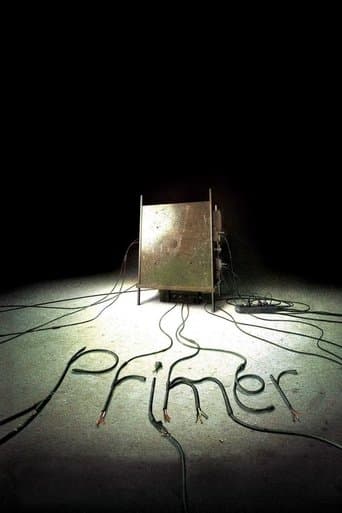
Its lo-fi aesthetic and refusal to simplify the science earned it a cult status among puzzle-film enthusiasts, with a 73% approval rating on Rotten Tomatoes. This is a film that challenges the mind, offering 3 distinct timelines that demand multiple viewings, outperforming the typical indie in intellectual rigor.
- 0
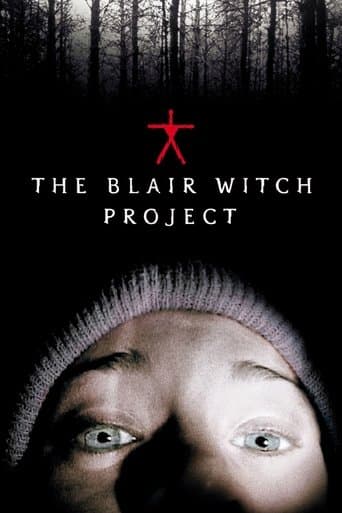
The Blair Witch Project (1999) revolutionized horror marketing with a $60,000 budget that yielded a staggering $248 million worldwide—a 4,133x return on investment. This found-footage film, directed by Daniel Myrick and Eduardo Sanchez, used an early internet campaign to blur fiction and reality, convincing audiences the footage was genuine.
- 0

Tangerine (2015) proved professional cinema can emerge from a smartphone, with Sean Baker shooting the entire vibrant comedy on iPhone 5S phones using anamorphic lens adapters for under $100,000. The film grossed over $7 million against its tiny budget, a 70x return that rivals The Blair Witch Project's blockbuster profit margin. This audacious technical feat redefined resourcefulness, showing that narrative power outranks expensive gear.
Image credits
- Moonlight (2016): Poster: A24 via TMDB
- Reservoir Dogs (1992): Poster: Live Entertainment via TMDB
- Clerks (1994): Poster: View Askew Productions via TMDB
- The Florida Project (2017): Poster: Cre Film via TMDB
- Pi (1998): Poster: Harvest Filmworks via TMDB
- City of God (2002): Poster: O2 Filmes via TMDB
- Whiplash (2014): Poster: Bold Films via TMDB
- Primer (2004): Poster: erbp via TMDB
- The Blair Witch Project (1999): Poster: Haxan Films via TMDB
- Tangerine (2015): Poster: Through Films via TMDB
Rank it your way
Remix this list into your own ranking, or head to the play hub for every game mode and community breakdown — blind mode, challenges, tier lists, and more.
You Might Also Like
Top 10 Found Footage Horror Films That Feel Too Real
Top 10 Found Footage Horror Films That Feel Too Real
Top 10 Most Controversial Film Endings
Top 10 Most Controversial Film Endings
Top 10 Foreign-Language Masterpieces Every Film Lover Should See (1954–2019)
Top 10 Best Foreign Language Films
Top 10 Best Action Films of All Time
#1 Die Hard (1988) · #2 Mad Max: Fury Road (2015) · #3 The Dark Knight (2008)
Netflix Top 10 Movies Globally This Week (April 6–12, 2026)
#1 Your Heart Will Be Broken · #2 Avatar: Fire and Ash · #3 Hoppers
Top 10 Best Movies of 2025
#1 The Brutalist (2024/2025) · #2 Conclave (2024/2025) · #3 A Complete Unknown (2025)