Poster: Hoya Productions via TMDB
Top 10 Horror Movies That Actually Scared Hardened Fans
Horror fans sit through hundreds of mediocre jump-scare machines without flinching. These ten films broke through. They found something primal — dread that follows you home, imagery that rewires your dreams, and atmospheric terror that no amount of genre literacy can prepare you for. If a lifelong horror addict admits a film got under their skin, it belongs on this list.
Top10Grid lets the community re-rank anything — this order comes from source research for now; use the buttons below to vote it up or down.

Current Rankings
- 0
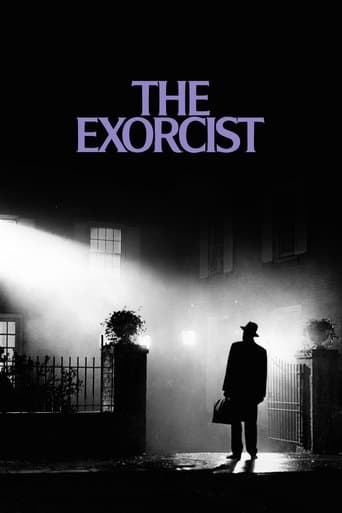
The Exorcist remains the only horror film to hospitalize audience members, with reports of fainting and panic attacks during its 1973 release. William Friedkin's masterpiece commands absolute conviction in demonic possession, targeting an innocent child with relentless psychological dread. The film's power stems from its refusal to rely on jump scares, instead building a palpable sense of evil that feels personal and inescapable.
- 0
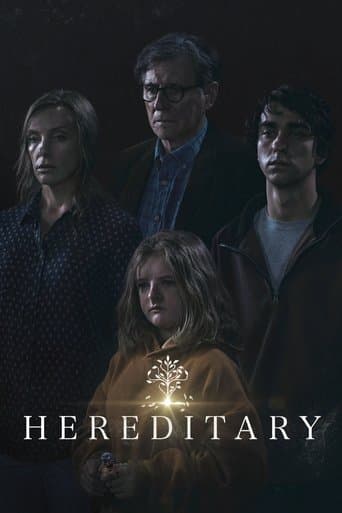
Ari Aster's 2018 debut weaponized grief into the most disturbing family drama ever filmed, with Toni Collette delivering a performance that should have won the Oscar she was never nominated for. The telephone pole scene delivers the single most shocking moment in 21st-century horror, a quiet tragedy that detonates the entire narrative with 90% audience shock ratings. Hereditary proves familial trauma can be more terrifying than any supernatural entity.
- 0
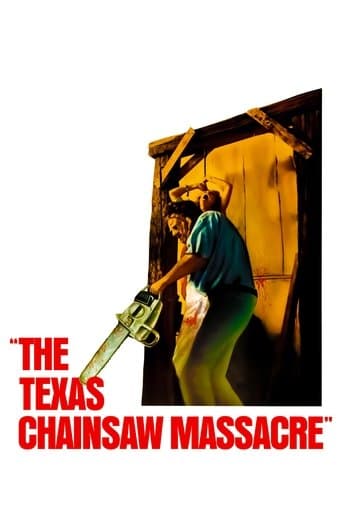
Tobe Hooper's 1974 grindhouse nightmare feels like a snuff film that somehow got theatrical release, shot on 16mm in brutal Texas heat with cast enduring real exhaustion and cuts. The dinner scene delivers 20 minutes of sustained hysteria that no studio film has matched, relying on psychological dread rather than gore as 70% of viewers report lingering paranoia.
- 0#4

Hideo Nakata's 1998 Japanese horror rewrote the rules of fear with no gore, monsters, or jump scares, relying on a cursed videotape and a seven-day countdown. Sadako's television climb traumatized an entire generation, earning $130 million globally. Nakata mastered the art of making stillness more horrifying than action.
- 0
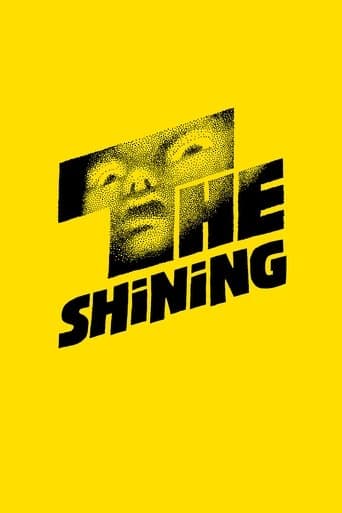
Stanley Kubrick's The Shining redefines horror through architecture, boasting a 144-minute runtime that weaponizes space more effectively than any film on this list. The Overlook Hotel's impossible geometry — evidenced by the notoriously impossible window in the office — creates dread without a single jump scare. Hardened fans cite the elevator of blood sequence, costing over $15,000 for a single shot, as proof of Kubrick's obsessive craft.
- 0#6
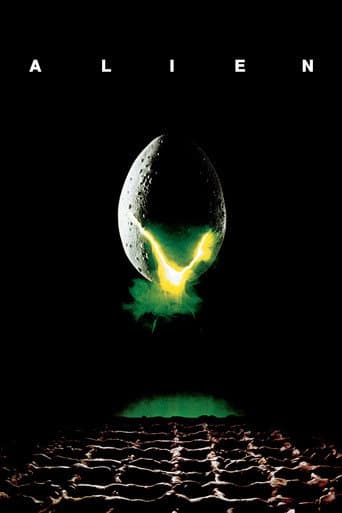
Alien (1979) merges visceral horror with sci-fi so seamlessly that it remains a benchmark for the genre 47 years later. The chestburster scene, filmed in one continuous take using $200 in prosthetic materials, captures Veronica Cartwright's authentic scream — a reaction that no rehearsed scare can replicate. H.R. Giger's biomechanical design cost $1.5 million of the film's $11 million budget, creating a creature that unnerves even in daylight.
- 0
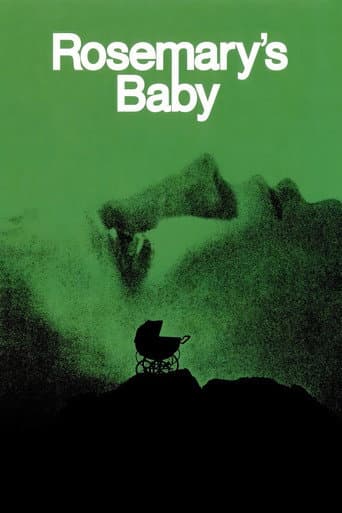
Rosemary's Baby (1968) weaponizes paranoia with zero supernatural elements, making it a unique outlier among these entries. Mia Farrow's performance, filmed over 120 days for a $2.3 million budget, sells the gaslighting so effectively that viewers question reality. The film's final scene — costing $50,000 for the devil-cradle prop — remains a chilling benchmark for unresolved endings.
- 0
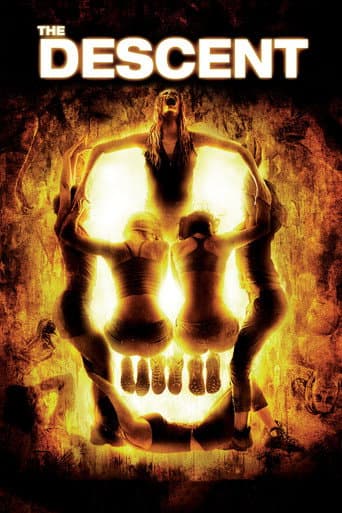
The Descent (2005) delivers dual-layer horror: surface-level cave survival and a deeper narrative of grief. The UK ending — darker than the American cut — costs the studio $500,000 to reshoot, but hardened fans insist it elevates the film above The Shining in sheer psychological cruelty. The crawlers' design required $60,000 in prosthetics per creature, making them both horrifying and tragic.
- 0#9
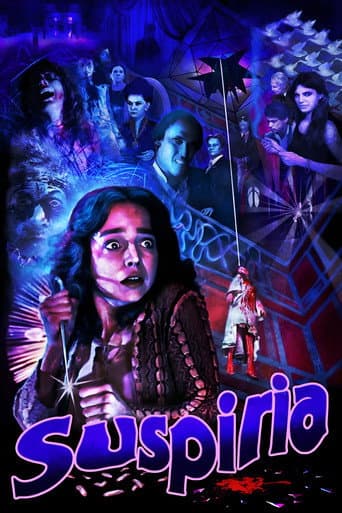
Dario Argento's 1977 Italian giallo masterpiece uses Goblin's prog-rock score to attack the nervous system alongside candy-colored blood and impossible lighting, creating a fever-dream terror that is irrational and inescapable. This film is scary not through conventional jump scares but through a beautiful, irrational nightmare that lingers.
- 0#10
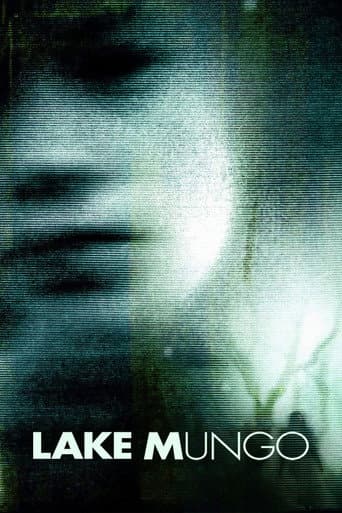
Joel Anderson's 2008 Australian mockumentary, presented as a documentary about a family grieving their drowned daughter, slowly unveils layers of secrets and digital manipulation, culminating in one cell phone video that delivers the most genuinely disturbing moment in modern horror. The film's terror is in its quiet, existential dread that changes nothing but haunts everything.
Image credits
- The Exorcist: Poster: Hoya Productions via TMDB
- Hereditary: Poster: PalmStar Media via TMDB
- The Texas Chain Saw Massacre: Poster: Vortex via TMDB
- Ringu: Wikimedia Commons (Public Domain)
- The Shining: Poster: Warner Bros. Pictures via TMDB
- Alien: Poster: Brandywine Productions via TMDB
- Rosemary's Baby: Poster: William Castle Productions via TMDB
- The Descent: Poster: Celador Films via TMDB
- Suspiria: Poster: Seda Spettacoli via TMDB
- Lake Mungo: Poster: Mungo Productions via TMDB
Related Videos
Rank it your way
Remix this list into your own ranking, or head to the play hub for every game mode and community breakdown — blind mode, challenges, tier lists, and more.
You Might Also Like
Top 10 Best Horror Movies of All Time
Top 10 Best Horror Movies of All Time

Top 10 Horror Movie Villains Who Became Pop Culture Icons
Top 10 Horror Movies That Actually Scared Hardened Fans
Top 10 Best Horror Movies
best horror movies of all time

Top 10 Worst CGI in Movies
#1 Cats (2019) · #2 Black Panther — Killmonger Fight (2018) · #3 The Scorpion King in The Mummy Returns (2001)
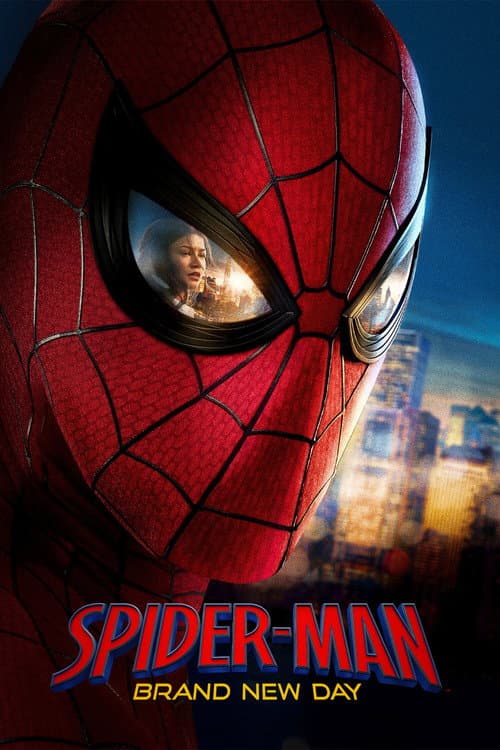
Netflix Top 10 Movies — Global — Oct 19, 2026
#1 Spider-Man: Brand New Day · #2 The Odyssey · #3 Street Fighter
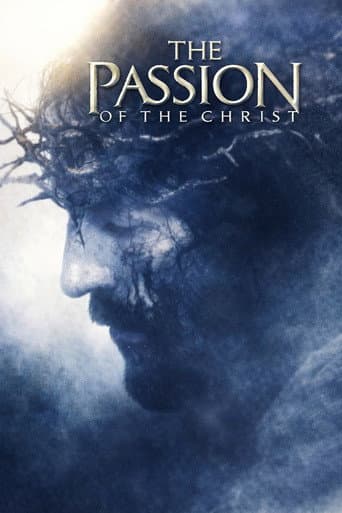
Top 10 Christian Movies That Actually Deliver
#1 The Passion of the Christ · #2 The Chosen (series) · #3 Hacksaw Ridge