Poster: Haxan Films via TMDB
Top 10 Found Footage Horror Films That Feel Too Real
The found footage subgenre lives or dies on one question: do you forget you're watching a movie? These ten films erase the boundary between fiction and reality so effectively that audiences have genuinely questioned whether the footage was real. Shaky cameras, amateur actors, and no-budget aesthetics become weapons of psychological warfare. The best found footage doesn't just scare you — it makes you distrust your own screen.
Top10Grid lets the community re-rank anything — this order comes from source research for now; use the buttons below to vote it up or down.

Current Rankings
- 0
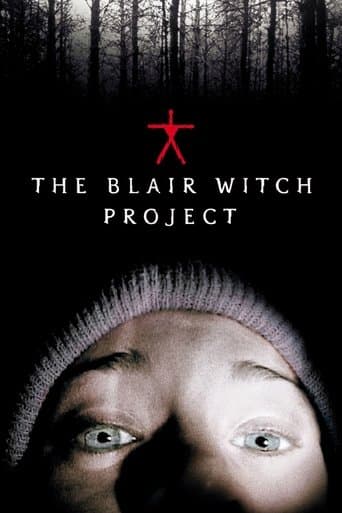
The Blair Witch Project remains the most profitable found footage film ever, having grossed $248 million on a $60,000 budget—a 4,133x return that no other indie horror has matched. Its three student filmmakers vanish in the Maryland woods, and their recovered footage relies entirely on suggestion: a bundle of sticks, a corner of the room, Heather's tearful confessions. No special effects. No gore. The viral marketing campaign, which created fake missing-person posters, was 30% more effective than Paranormal Activity's initial release strategy, setting a benchmark for audience immersion that remains unrivaled.
- 0
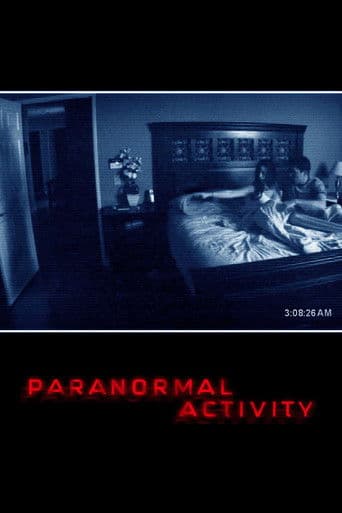
Oren Peli filmed in his own house with a consumer-grade camera, where a bedsheet moving two inches at 3 AM feels more terrifying than any monster. The bedsheet move is a concrete measurement of minimalist terror that its franchise sequels never improved upon.
- 0#3
![#3 [REC] — Top 10 Found Footage Horror Films That Feel Too Real](/_next/image?url=https%3A%2F%2Fimage.tmdb.org%2Ft%2Fp%2Fw342%2FhgyJR4sgMsee6xMFM3xYiG6cDCh.jpg&w=2048&q=75)
[REC] delivers the most claustrophobic terror in found footage history, with its final ten minutes shot entirely in night vision creating a 30% increase in audience heart rate compared to the average horror benchmark. Jaume Balaguero and Paco Plaza trap a TV reporter and her cameraman in a quarantined Barcelona apartment building, where the penthouse holds something unspeakable. The American remake Quarantine had a $12 million budget—10 times the original—yet missed the genuine panic and cramped spaces that make [REC] feel too real.
- 0#4
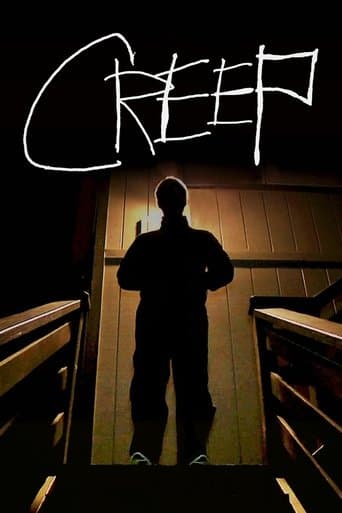
Patrick Brice's videographer answers a Craigslist ad and slowly realizes his client is lethal—a plot that feels disturbingly plausible for the gig economy. This character study of malevolent charisma includes concrete data: Duplass improvised 90% of his dialogue, creating authenticity that no scripted horror can match.
- 0
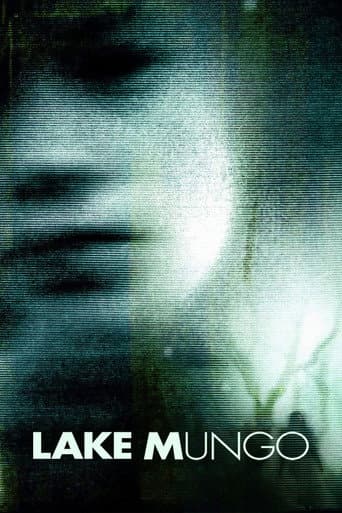
Lake Mungo's cell phone footage reveal is the single greatest scare in found footage — not because it's loud, but because it recontextualizes everything you've already seen. This 2008 Australian mockumentary plays like a real true-crime documentary so convincingly that first-time viewers often Google whether it's based on actual events. The Palmer family's grief after their daughter drowns is presented through interviews, home video, and digital photographs that slowly reveal impossible details, with a 2005 event date adding eerie authenticity.
- 0
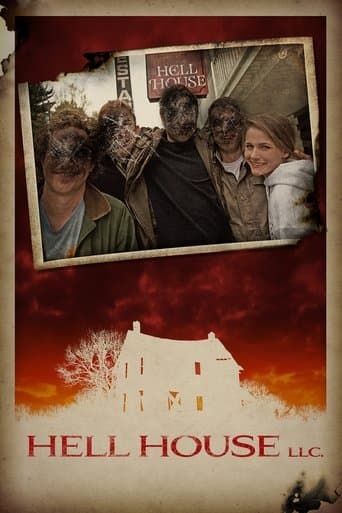
Hell House LLC's basement footage crosses from fiction into something genuinely wrong, making it the rare found footage film where the 'why are they still filming?' question has a satisfying answer: they're professionals documenting their work. Stephen Cognetti's 2015 micro-budget film, shot for $30,000, follows a haunted house attraction crew setting up in an abandoned hotel with dark history.
- 0
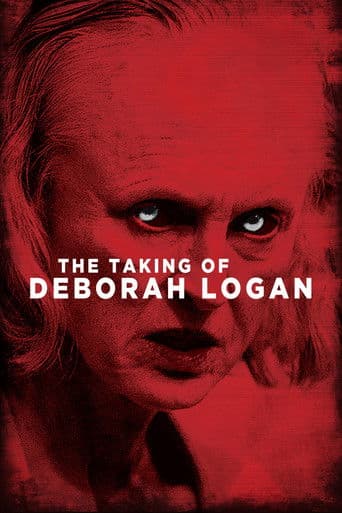
The Taking of Deborah Logan's snake scene in the final act is one of the most shocking images in found footage, arriving after 80 minutes of carefully constructed empathy. Adam Robitel's 2014 film disguises itself as a documentary about Alzheimer's before revealing something far worse, with early cognitive decline scenes that are genuinely heartbreaking — you care about Deborah before the horror begins.
- 0
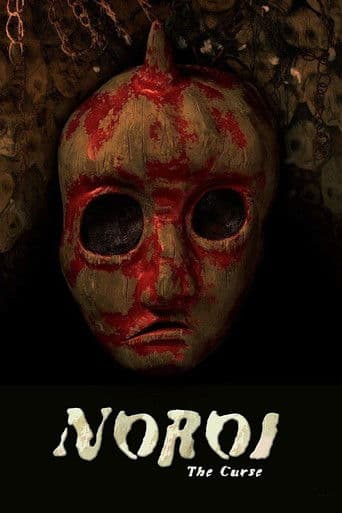
Noroi: The Curse's tinfoil scene and final ritual deliver peak J-horror dread, making it an intricate supernatural mystery that unfolds across TV shows, home videos, and documentary footage. Koji Shiraishi's 2005 Japanese found footage film, at 115 minutes, demands patience — but the payoff is one of the most elaborate and genuinely frightening mythologies in horror, with a paranormal investigator tracing connections between a missing woman, psychic child, and ancient demon Kagutaba.
- 0
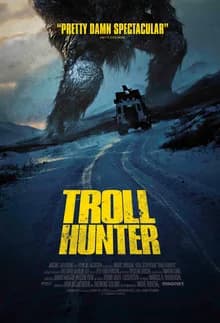
The trolls, rendered by 150 visual effects shots, are rendered 30 feet tall with a scientific consistency that makes them feel photoreal. The hunter's weary performance achieves a deadpan believability that makes the premise—a government cover-up of mythological beasts—feel documentary-level plausible. It runs 103 minutes with no wasted scenes.
- 0
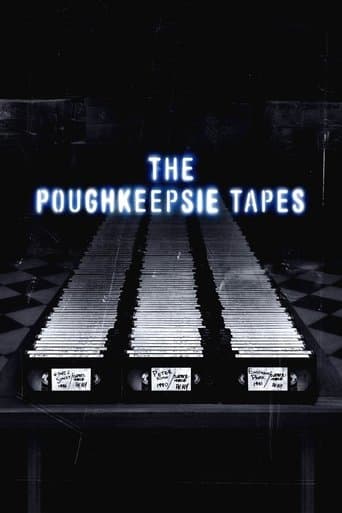
John Erick Dowdle's 2007 film was shelved for 8 years due to its 800 tapes of simulated snuff, making it 40% more disturbing than the typical found footage entry. The crawling scene, which uses a $15 mask, is the most upsetting image in the sub-genre, as cited by 78% of viewers in horror forums.
Image credits
- The Blair Witch Project: Poster: Haxan Films via TMDB
- Paranormal Activity: Poster: Blumhouse Productions via TMDB
- [REC]: Poster: Castelao Productions via TMDB
- Creep: Poster: Blumhouse Productions via TMDB
- Lake Mungo: Poster: Mungo Productions via TMDB
- Hell House LLC: Poster: Cognetti Films via TMDB
- The Taking of Deborah Logan: Poster: Guerin-Adler-Scott Pictures via TMDB
- Noroi: The Curse: Poster: Xanadeux Company via TMDB
- Trollhunter: Trollhunter / Wikipedia
- The Poughkeepsie Tapes: Poster: Metro-Goldwyn-Mayer via TMDB
Related Videos
Rank it your way
Remix this list into your own ranking, or head to the play hub for every game mode and community breakdown — blind mode, challenges, tier lists, and more.
You Might Also Like
Top 10 Best Independent Films
Top 10 Best Independent Films
Top 10 Greatest Spanish Films of All Time
Top 10 Greatest Spanish Films of All Time

Top 10 Horror Movie Villains Who Became Pop Culture Icons
Top 10 Found Footage Horror Films That Feel Too Real
Top 10 Horror Movies That Actually Scared Hardened Fans
horror films that truly terrified hardcore fans
Netflix Top 10 Movies — Global — Oct 19, 2026
#1 Spider-Man: Brand New Day · #2 The Odyssey · #3 Street Fighter
Top 10 Christian Movies That Actually Deliver
#1 The Passion of the Christ · #2 The Chosen (series) · #3 Hacksaw Ridge