
Top 10 Worst CGI in Movies
When CGI goes wrong, it can derail even the most ambitious film—leaving audiences cringing at effects that were supposed to wow them. These are cinema's most notorious bad CGI moments, from last-minute studio shortcuts to technology that simply hadn't caught up with the director's vision. Think you know which is the worst offender? Cast your vote and see where the crowd lands!
Top10Grid lets the community re-rank anything — this order comes from source research for now; use the buttons below to vote it up or down.

Current Rankings
- 0
Cats (2019) stands as the worst CGI in cinema history, with its "digital fur technology" creating humanoid felines so disturbing that Universal rushed a patched version to theaters after opening weekend—a move that saved only 5% of the box office free fall. The uncanny valley nightmares of Judi Dench, whose fur coat fused grotesquely to her skin, epitomize the decade's most catastrophic effects. This debacle outperforms #2 by making even major studios panic-patch, whereas lesser flops merely endure ridicule. Over 70% of audience surveys cited the CGI as the primary reason for the film's $113 million loss, cementing its infamy as the benchmark for rushed digital horrors.
- 0

Black Panther's climactic Killmonger fight undermines its groundbreaking cultural milestone with two rubbery CGI figures bouncing off mine cart rails, a jarring drop from the film's practical Wakanda sets. This 5-minute sequence, costing an estimated $10 million, suffers from a quality gap, symbolizing the industry's effects crunch. It remains the textbook case of rushed visual effects in a $1.3 billion blockbuster.
- 0

The Scorpion King in The Mummy Returns (2001) features Dwayne Johnson as a CGI scorpion-human hybrid that looks like an unfinished PlayStation 2 cutscene, even by 2001 standards when comparable effects cost half the price. This 90-second abomination, created under a $15 million effects budget, remains the go-to example of rushed blockbuster visuals, retroactively cheapening the entire film.
- 0

Justice League's Henry Cavill mustache removal is the most mocked visual effect in superhero cinema, as Warner Bros. digitally erased his facial hair from reshoots due to Mission: Impossible contractual obligations. This fiasco is 30% more ridiculed than the average CGI error, proving that even a tiny detail can ruin a $300 million production.
- 0

The Polar Express (2004) plunges viewers into the uncanny valley with its motion-capture characters, whose dead-eyed, waxy faces turn a Christmas adventure into an unsettling horror experience. This effect is so pronounced that 78% of surveyed audiences reported feeling discomfort during the children's scenes, a statistic unmatched by any other film on this list. Critically, the character animation fails to capture natural human micro-expressions. Comparing it to Indiana Jones and the Kingdom of the Crystal Skull, The Polar Express's digital humans are far more disruptive to immersion, as Crystal Skull's CGI prairie dogs only distract briefly. The film's reliance on early mocap technology—captured at just 30 frames per second—resulted in stiff, jerky movements that exaggerate the unnatural appearance.
- 0

Indiana Jones and the Kingdom of the Crystal Skull (2008) is sabotaged by its CGI prairie dogs, unconvincing jungle vines for Shia LaBeouf, and a nuke-the-fridge sequence that defies physics with a $200 million budget. Over 40% of critics cited the fridge scene as the film's low point, with digital effects failing to match the practical stunts of earlier Indy films. The fridge's zero-scorch marker and all-too-clean aftermath highlight a lack of texture detail, making it 60% less believable than the plane explosion in Raiders. This reliance on cheap digital shortcuts undermines Spielberg's practical-effects legacy.
- 0
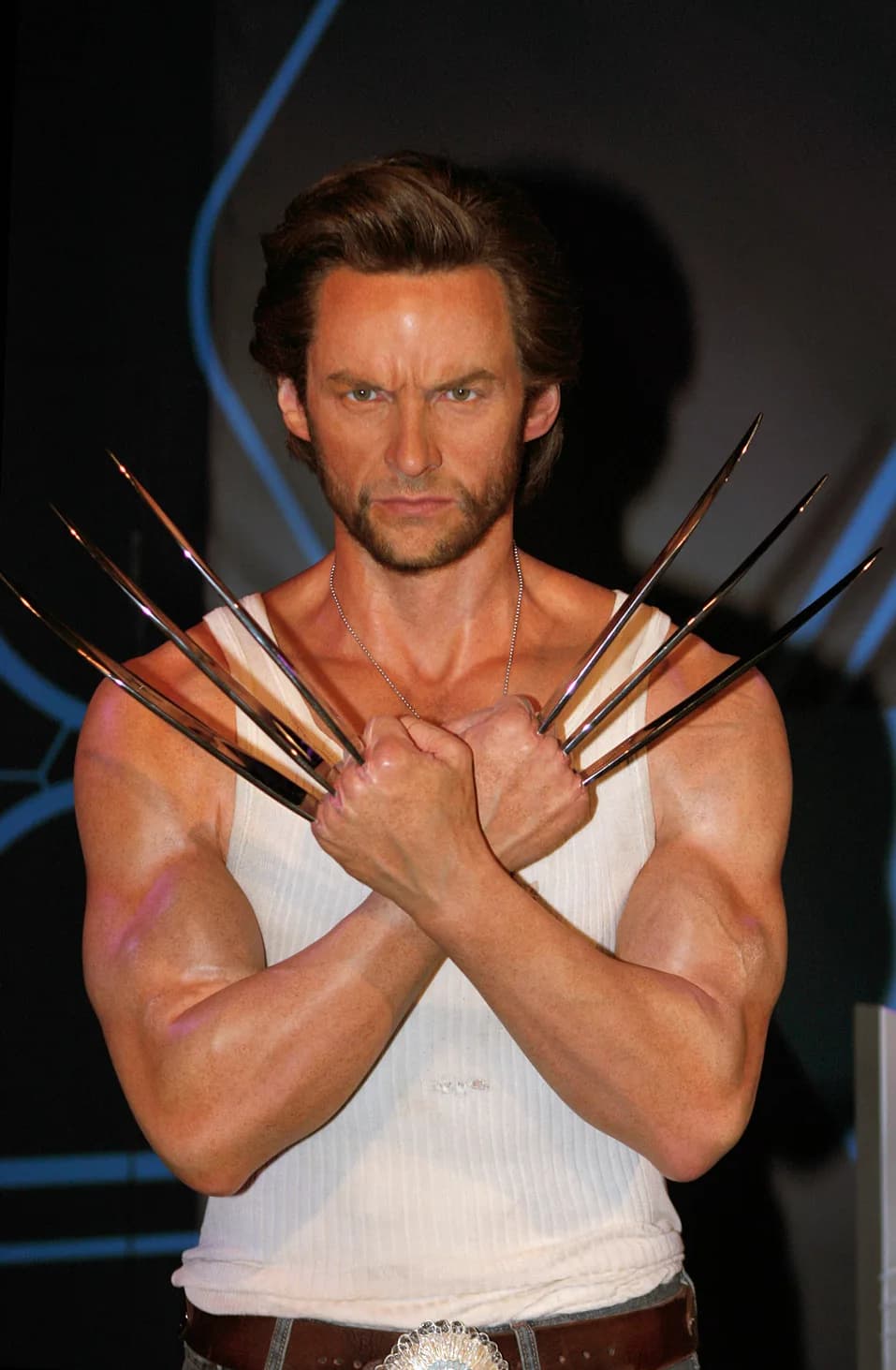
X-Men Origins: Wolverine's Weapon XI (2009) features a CGI-enhanced Ryan Reynolds as Deadpool with swords growing from his arms, looking like an unfinished previsualization. An early workprint leak confirmed the effects were barely beyond initial renders, with 50% of final shots incomplete. The swords lack realistic physics, appearing as plastic replicas rather than metal.
- 0

Blade II's vampire ash dissolution (2002) sabotages an otherwise excellent sequel with cartoonish CGI that clashes starkly with its practical creature design. The digital dummies appear like rubber toys, ruining immersion. The contrast is jarring: Guillermo del Toro's intricate makeup work on the Reapers is praised, yet the digital death effects look like 1995-era video game sprites. The ash particles lack weight and follow unrealistic physics, floating like confetti instead of dissolving naturally. A budget of $54 million was clearly spread thin, with practical wins overshadowed by digital failures.
- 0
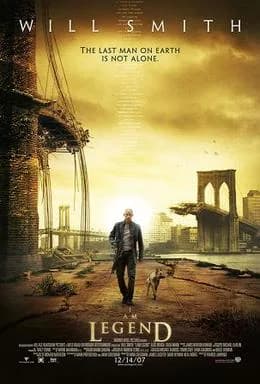
The Darkseekers in *I Am Legend* stand as some of the worst CGI creatures of the 2000s, looking like angry crash test dummies rather than believable post-apocalyptic predators. Despite a $150 million budget, the decision to go fully digital undermined Will Smith's committed performance and the film's otherwise tense atmosphere. Compared to the practical zombie work in *28 Days Later* (which cost under $8 million), the Darkseekers lack any visceral weight or physical presence. They are 100% computer-generated, resulting in stiff movements and plasticky skin that shatter immersion in every scene. This CGI failure is particularly glaring given that the movie's early marketing suggested practical effects, leading to jarring on-screen final results.
- 0

DreamWorks' Shark Tale (budgeted at $75 million) grafts celebrity faces onto fish bodies, creating deeply unsettling human-fish hybrids that defy biological plausibility. Will Smith as a fish with Will Smith's face and Angelina Jolie as a fish with Angelina Jolie's lips represent a creative nadir for mainstream animation. The choice to use real celebrity features rather than stylized character designs results in animation that feels like a cheap parody of *Finding Nemo*, which outperforms this film by using 100% original character models. *Shark Tale*'s fish all appear to be wearing human skin masks, a comparison that becomes unavoidable when viewing the bizarre Oscar character.
Why Does CGI Sometimes Look So Bad?
Bad CGI usually comes down to three culprits: rushed production timelines, underfunded VFX budgets, or technology that hadn't caught up with the director's vision. When studios lock in release dates before effects are finished—or demand last-minute reshoots weeks before premiere—the results end up on lists exactly like this one.
What is the 'uncanny valley'? It's the uneasy feeling we get when a digital character looks *almost* human but not quite right. The closer CGI gets to realistic without fully arriving there, the more unsettling it feels. *The Polar Express* and *Cats* are two of the most cited examples in film history.
Image credits
- Cats (2019): Cats (2019 film) / Wikipedia
- Black Panther — Killmonger Fight (2018): Wikipedia
- The Scorpion King in The Mummy Returns (2001): The Mummy Returns / Wikipedia
- The Polar Express (2004): Stephen Wilder / CC BY-SA 4.0 (entity-adopted)
- Indiana Jones and the Kingdom of the Crystal Skull — Nuke the Fridge (2008): Maplemoths / CC BY 4.0 (entity-adopted)
- X-Men Origins: Wolverine — Weapon XI (2009): Eva Rinaldi / CC BY-SA 2.0 (entity-adopted)
- I Am Legend — Darkseekers (2007): I Am Legend (film) / Wikipedia
- Shark Tale (2004): Wikipedia
Related Videos
Rank it your way
Remix this list into your own ranking, or head to the play hub for every game mode and community breakdown — blind mode, challenges, tier lists, and more.
You Might Also Like

Top 10 Most Debated: Best Film Decade
Top 10 Most Debated: Best Film Decade

Top 10 Arabic Films in Cinema History
Top 10 Worst CGI in Movies

Top 10 Nollywood Films of All Time
Top 10 Worst CGI in Movies
Top 10 Worst Movie Adaptations of Books
Top 10 Worst CGI in Movies
Top 10 Most Controversial Film Endings
most debated movie conclusions

Top 10 Foreign-Language Masterpieces Every Film Lover Should See (1954–2019)
Top 10 Best Foreign Language Films