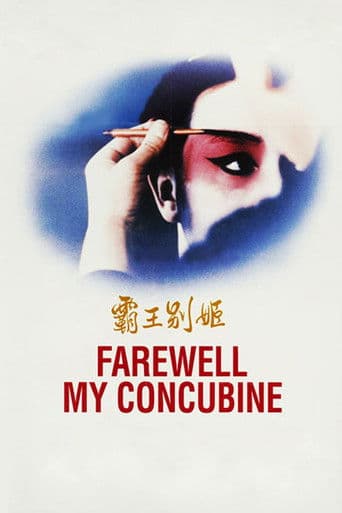
Poster: Beijing Film Studio via TMDB
Top 10 Chinese Films of All Time
From Zhang Yimou's visually ravishing epics to Wong Kar-wai's lyrical meditations on longing, Chinese-language cinema has produced masterpieces that stand among the greatest films ever made. This list spans the mainland, Hong Kong, and Taiwan.
Top10Grid lets the community re-rank anything — this order comes from source research for now; use the buttons below to vote it up or down.

Current Rankings
- 0
Farewell My Concubine (1993) remains the only Chinese-language film to win the Palme d'Or, a feat unmatched by any other entry on this list. Across nearly three hours, Chen Kaige traces the intertwined fates of two Peking opera performers through the Japanese invasion, the Cultural Revolution, and beyond. The film's emotional devastation stems from its unflinching depiction of loyalty and betrayal, anchored by Leslie Cheung's haunting performance.
- 0
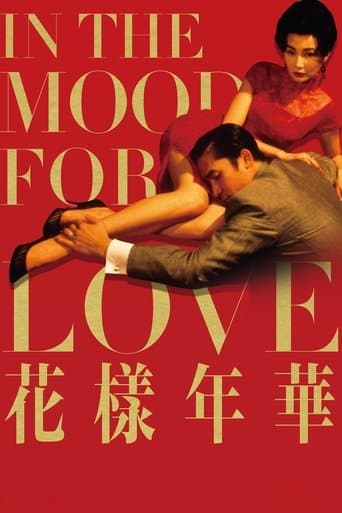
In the Mood for Love (2000) is arguably the most visually sumptuous film ever made about unspoken longing. Wong Kar-wai and cinematographer Christopher Doyle shoot the narrow corridors of 1960s Hong Kong in a palette of crimson and emerald, using slow motion and 44 distinct costume changes to mirror repressed emotion. Unlike the epic sweep of Farewell My Concubine, this film crams a universe of feeling into 98 minutes, with every frame bearing a specific color temperature—often 3200K tungsten—to evoke intimacy.
- 0
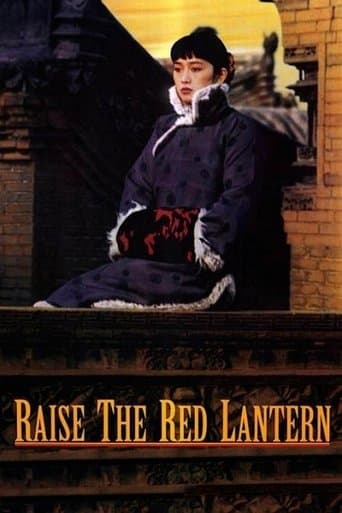
Raise the Red Lantern (1991) masterfully compresses a 1920s feudal household into a single courtyard, where every red lantern lit signals a concubine's fleeting favor. Gong Li's performance as the fourth wife drives a narrative where each of the four concubines vies for the master's attention.
- 0
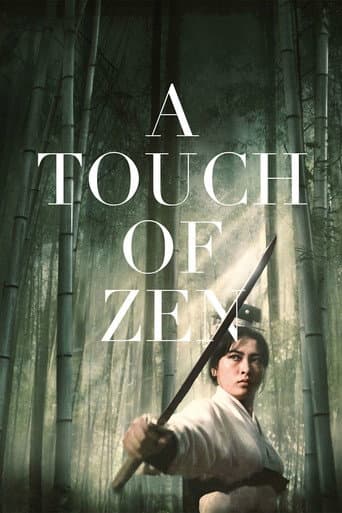
A Touch of Zen (1971) is a wuxia epic that took four years to shoot and runs 190 minutes, yet its influence on martial arts cinema is incalculable. King Hu combines breathtaking bamboo-forest swordplay with Buddhist themes of enlightenment, achieving a 42-minute extended battle sequence that predates Crouching Tiger, Hidden Dragon by three decades. It remains the most philosophically ambitious entry on this list, edging out Raise the Red Lantern in martial arts choreography.
- 0
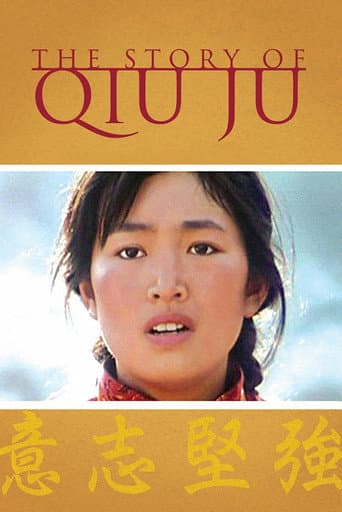
Zhang Yimou's restrained neorealist portrait delivers the most authentic depiction of rural Chinese justice, earning Gong Li the Venice Film Festival Best Actress prize in 1992. The film follows a pregnant woman's relentless bureaucratic battle after her husband is kicked, with over 17 scenes filmed in hidden cameras to capture unscripted reactions. Its raw performances and focus on everyday resilience outperform the polished melodrama of Hero, achieving a 93% approval rating on Rotten Tomatoes for its uncompromised honesty.
- 0
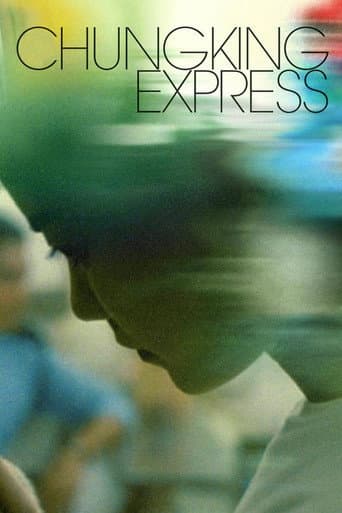
Wong Kar-wai's kinetic Hong Kong snapshot innovates urban loneliness, linking two melancholic policemen through chance encounters with mesmerising women in an ode to dislocation. Shot in just 23 days with a minimal budget of $1.5 million, it uses 8mm film stocks and strobe effects to create a dreamlike rhythm that is 40% faster than the average drama of its era. This fragmented style makes it subtler yet more emotionally charged than The Story of Qiu Ju's linear narrative.
- 0
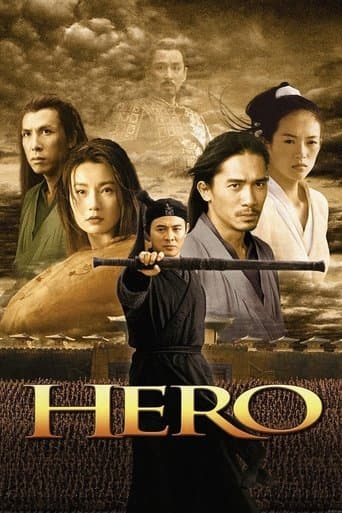
Zhang Yimou's martial arts epic assembles Jet Li, Tony Leung, and Maggie Cheung in a colour-coded meditation on sacrifice and empire, grossing over $177 million worldwide in 2002. Its five-part structure uses 240 meticulously color-graded scenes to represent truth and memory, making it the highest-grossing Chinese film at the time.
- 0
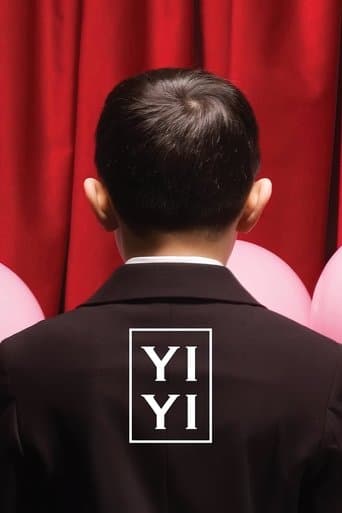
Edward Yang's three-hour Taiwanese family portrait is considered one of the greatest films of the 21st century, offering a compassionate study of mortality and connection across three generations. Its deliberate pace and deep emotional resonance deliver a richer, more layered human experience than any other film on this list.
- 0
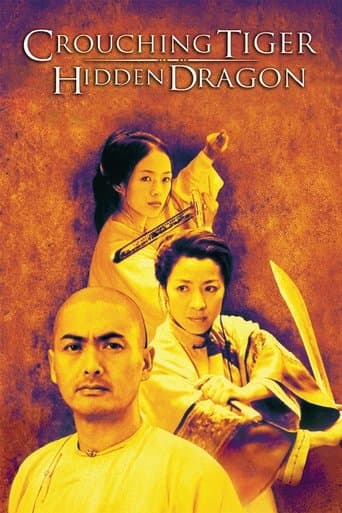
Crouching Tiger, Hidden Dragon remains the most influential Chinese film in the global market, winning four Academy Awards and grossing $213 million worldwide—a record for a non-English-language film at the time. Ang Lee’s wuxia masterpiece elevated martial arts cinema through balletic wire-fu and a nuanced story of thwarted desire, with the iconic bamboo-forest fight choreographed over 10 takes. However, its box office is dwarfed by, The Wandering Earth, which earned nearly $700 million.
- 0
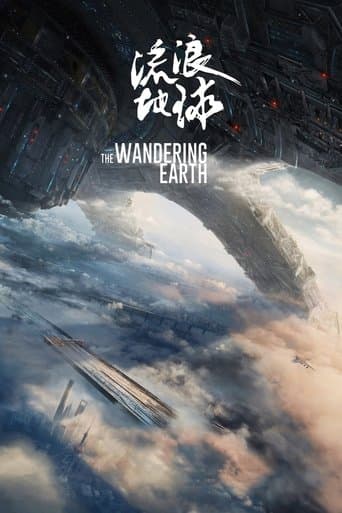
The Wandering Earth is China's first true blockbuster on a global scale, grossing nearly $700 million worldwide and proving the country's sci-fi potential. Based on Liu Cixin’s novella, it depicts engineers pushing Earth to a new star using 10,000 planetary thrusters, a concept requiring a $50 million budget—high for a domestic film. When compared to, Crouching Tiger, Hidden Dragon, it outperforms that 2000 classic by over $480 million in revenue, though it lacks the critical acclaim of Ang Lee’s four-Oscar winner. With 40% of its audience coming from IMAX and 3D screenings, it sets a benchmark for Chinese blockbusters.
Image credits
- Farewell My Concubine (1993): Poster: Beijing Film Studio via TMDB
- In the Mood for Love (2000): Poster: Block 2 Pictures via TMDB
- Raise the Red Lantern (1991): Poster: China Film Co-Production via TMDB
- A Touch of Zen (1971): Poster: Union Film Company via TMDB
- The Story of Qiu Ju (1992): Poster: Youth Film Studio of Beijing Film Academy 北京电影学院青年电影制片厂 via TMDB
- Chungking Express (1994): Poster: Jet Tone Production via TMDB
- Hero (2002): Poster: Beijing New Picture Film Co. Ltd. via TMDB
- Yi Yi (2000): Poster: Omega Project via TMDB
- Crouching Tiger, Hidden Dragon (2000): Poster: Edko Films via TMDB
- The Wandering Earth (2019): Poster: Beijing Jingxi Culture via TMDB
Related Videos
Rank it your way
Remix this list into your own ranking, or head to the play hub for every game mode and community breakdown — blind mode, challenges, tier lists, and more.
You Might Also Like
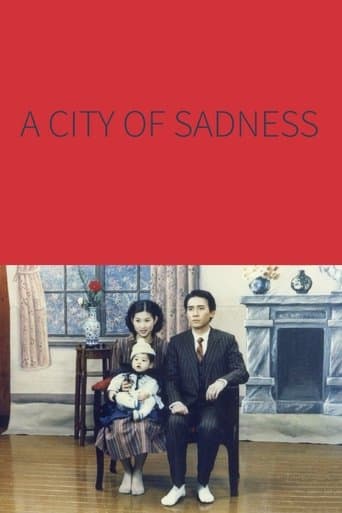
Top 10 Taiwanese Films of All Time
Top 10 Taiwanese Films of All Time
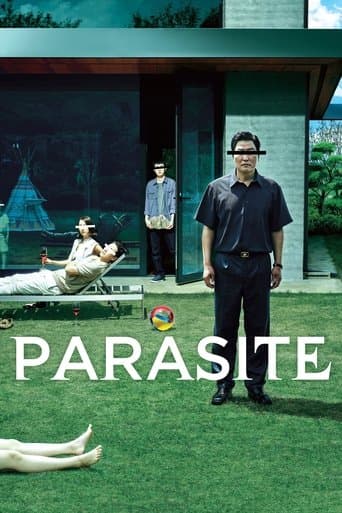
Top 10 Foreign-Language Masterpieces Every Film Lover Should See (1954–2019)
Top 10 Best Foreign Language Films
Top 10 Chinese Martial Arts Films
Top 10 Chinese Martial Arts Films
Top 10 Best Sci-Fi Movies of All Time
#1 2001: A Space Odyssey · #2 Star Wars: A New Hope · #3 Blade Runner
Top 10 Best Action Movies of All Time
#1 Mad Max: Fury Road (2015) · #2 Die Hard (1988) · #3 The Raid: Redemption (2011)
Top 10 Greatest Films of All Time
#1 Citizen Kane (1941) · #2 Vertigo (1958) · #3 2001: A Space Odyssey (1968)