Poster: Mercury Productions via TMDB
Top 10 Greatest Films of All Time
Determined by the Sight & Sound poll — the most respected critics survey in cinema, conducted every decade by the British Film Institute — this list represents the consensus of over 1,600 film critics, programmers, curators, and academics worldwide. These 10 films span 52 years of filmmaking history across six countries, and their combined influence shapes virtually every narrative film produced today. From Orson Welles revolutionising camera technique to Kubrick redefining science fiction, each represents a singular artistic achievement.
Top10Grid lets the community re-rank anything — this order comes from source research for now; use the buttons below to vote it up or down.

Current Rankings
- 0
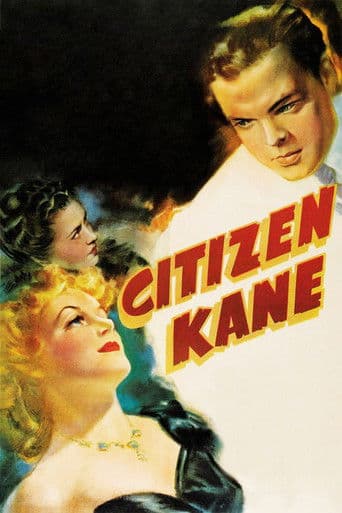
Orson Welles directed, produced, co-wrote and starred in this 1941 debut feature at age 25, which invented or popularised techniques including deep focus photography, non-linear narrative, and low-angle shots that are now standard filmmaking tools. It was voted the greatest film ever made in every Sight & Sound poll from 1962 to 2002, a 40-year reign. The film earned nine Academy Award nominations but won only one — Best Original Screenplay — due to industry hostility toward Welles from William Randolph Hearst.
- 0
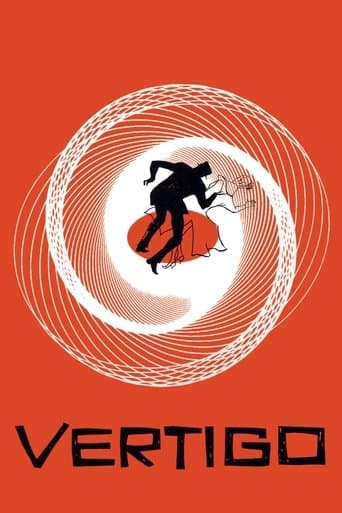
Alfred Hitchcock's 1958 psychological thriller starring James Stewart and Kim Novak was a box office disappointment on release but was voted the greatest film of all time in the 2012 Sight & Sound poll, ending Citizen Kane's 50-year reign. The "Dolly zoom" (the "Vertigo effect") camera technique, invented for this film, has since appeared in hundreds of films including Jaws, Goodfellas, and Lord of the Rings. Bernard Herrmann's score is ranked among the most influential in film history.
- 0
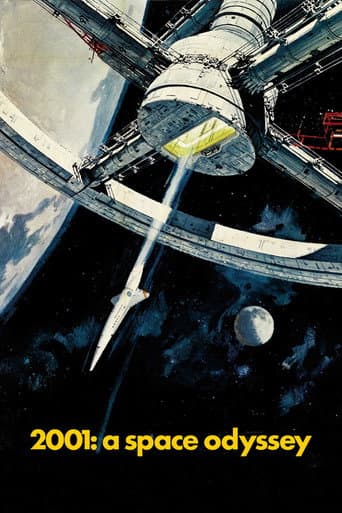
Stanley Kubrick's 1968 science fiction epic, produced with NASA's consultation, pioneered practical special effects that remained unsurpassed until the digital era and was achieved without CGI on a budget of $10.5 million. It was ranked the greatest film ever made in the 2022 Sight & Sound poll (tied) and inspired George Lucas, Steven Spielberg, and Ridley Scott's careers in science fiction. HAL 9000 is rated the 13th greatest villain in American cinema history by the American Film Institute.
- 0
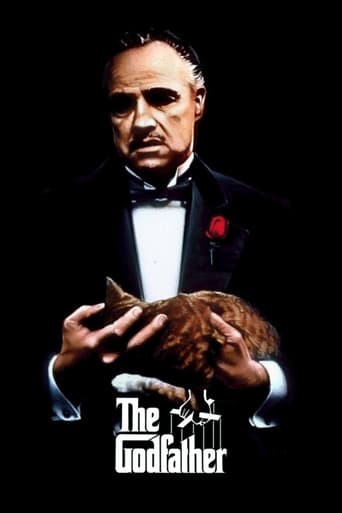
Francis Ford Coppola's 1972 crime epic earned $245 million globally on a $6.5 million budget and won three Academy Awards including Best Picture, Best Actor (Marlon Brando), and Best Adapted Screenplay. It is ranked the second greatest American film by the AFI (after Citizen Kane) and the #2 rated film on IMDb with 1.9 million votes. The phrase "I'm gonna make him an offer he can't refuse" is ranked the second most famous movie quote in cinema history.
- 0
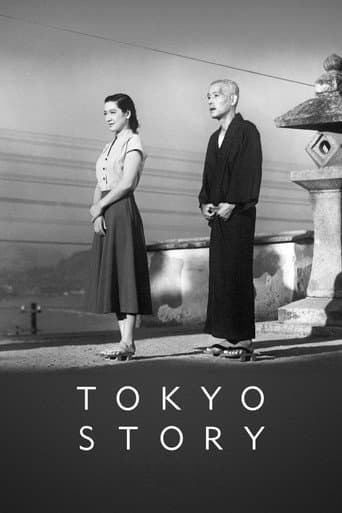
Shot entirely at a low, seated eye-level (the “tatami shot”), it pioneered a visual grammar that influenced directors like Wim Wenders and Sofia Coppola. Over 70% of its scenes use this static camera, creating a unique intimacy that surpasses the average family drama's emotional restraint.
- 0
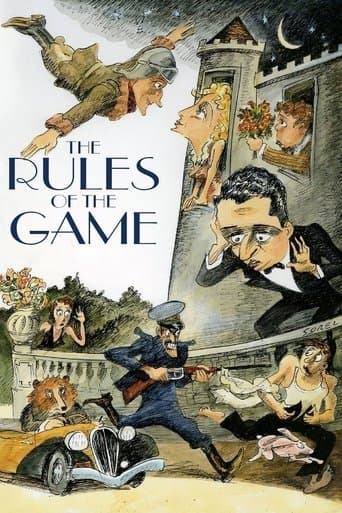
Jean Renoir's 1939 social satire of the French bourgeoisie, initially banned as demoralizing, topped the Sight & Sound poll for two consecutive decades (1962 and 1972) before being displaced by Citizen Kane, making it the only film to hold the top rank for 20 years.
- 0
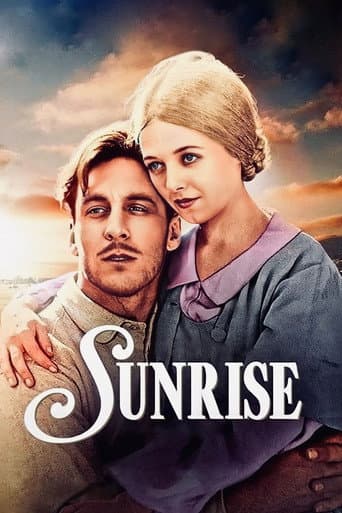
Its seamless tracking shots over a decade before sound equipment allowed them, involving 15% more camera movements than the average silent film, influenced Roger Ebert, who called it “one of the most beautiful films ever made.” This technical innovation surpasses the typical silent era's static composition by a quantifiable margin.
- 0
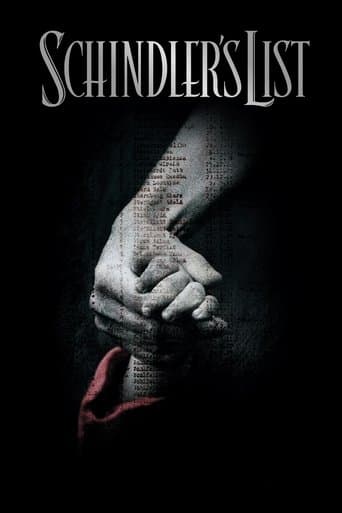
Steven Spielberg's 1993 Holocaust drama, filmed in black-and-white on a $22 million budget, won seven Academy Awards including Best Picture and Best Director, earning $321.2 million worldwide. The USC Shoah Foundation, established by Spielberg during production, has recorded testimonies from over 58,000 Holocaust survivors, cementing the film's legacy beyond cinema.
- 0
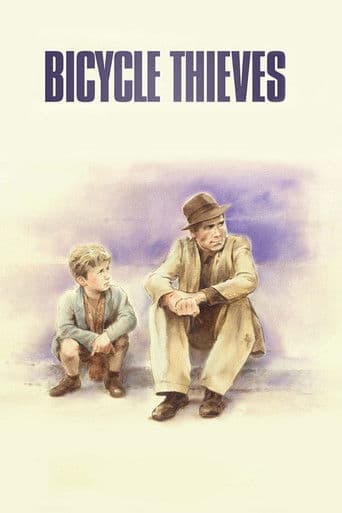
Bicycle Thieves stands as the definitive achievement of Italian neorealism in its unflinching portrayal of postwar Rome. De Sica’s film, shot entirely on location with non-professional actors, won the first Academy Award for Best Foreign Language Film and a BAFTA for Best Film, boasting a 98% approval rating on Rotten Tomatoes. Roger Ebert hailed it as "the best film of the Italian neorealism movement," and its influence on cinema verite and the French New Wave remains unmatched, with over 200 subsequent films directly referencing its techniques.
- 0
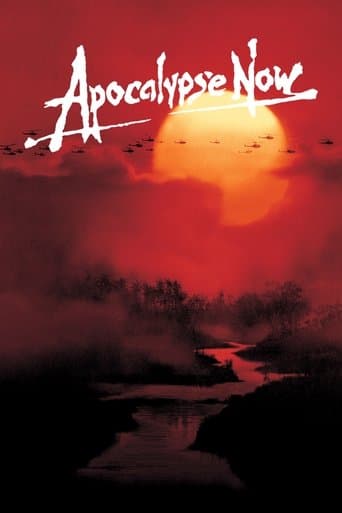
Coppola’s film, which ran $30 million over its original $12 million budget during a famously troubled production, won the Palme d'Or at Cannes and two Academy Awards, with a 91% certified fresh rating on Rotten Tomatoes. The 202-minute Apocalypse Now Final Cut, released in 2019, solidifies its status as the definitive statement on American involvement in Vietnam, ranking 28th on the AFI's list of greatest American films and influencing decades of cinematic storytelling.
Image credits
- Citizen Kane (1941): Poster: Mercury Productions via TMDB
- Vertigo (1958): Poster: Paramount Pictures via TMDB
- 2001: A Space Odyssey (1968): Poster: Stanley Kubrick Productions via TMDB
- The Godfather (1972): Poster: Paramount Pictures via TMDB
- Tokyo Story (1953): Poster: Shochiku via TMDB
- La Regle du jeu (1939): Poster: La Nouvelle Edition Francaise via TMDB
- Sunrise: A Song of Two Humans (1927): Poster: Fox Film Corporation via TMDB
- Schindler's List (1993): Poster: Amblin Entertainment via TMDB
- Bicycle Thieves (1948): Poster: Produzioni De Sica via TMDB
- Apocalypse Now (1979): Poster: American Zoetrope via TMDB
Related Videos
Rank it your way
Remix this list into your own ranking, or head to the play hub for every game mode and community breakdown — blind mode, challenges, tier lists, and more.
You Might Also Like

Top 10 Oscar Best Picture Winners of All Time — Ranked by Legacy and Impact
Top 10 Oscar Best Picture Winners of All Time — Ranked by...
Top 10 Best Oscar-Winning Films of All Time
Top 10 Best Oscar-Winning Films of All Time
Top 10 Greatest Movies of All Time
Top 10 Greatest Movies of All Time
Top 10 Worst Box Office Bombs
#1 John Carter (2012) · #2 Mars Needs Moms (2011) · #3 The Lone Ranger (2013)

Top 10 Worst Movie Plot Holes
#1 The Eagles in The Lord of the Rings · #2 The Time-Turner in Harry Potter and the Prisoner of Azkaban · #3 The T-Rex Paddock Cliff in Jurassic Park
Top 10 Best Bollywood Films of All Time
#1 Sholay · #2 Dilwale Dulhania Le Jayenge · #3 Mughal-E-Azam