
Stanley Kubrick on the set of Barry Lyndon / Warner Bros.
Top 10 Best Movie Directors of All Time
Explore the visionary filmmakers whose artistic vision, innovative storytelling, and enduring bodies of work have shaped cinema into the art form we know today.
Top10Grid lets the community re-rank anything — this order comes from source research for now; use the buttons below to vote it up or down.

Current Rankings
- 0

Stanley Kubrick stands as the most technically precise director in film history, with an unmatched ability to master every genre from horror to science fiction. Kubrick's meticulous approach, often requiring over 100 takes per scene, produced a body of work that includes The Shining and A Clockwork Orange. He outperforms Alfred Hitchcock in critical acclaim, with a 96% average Rotten Tomatoes score across his top five films, compared to Hitchcock's 94%.
- 0

Akira Kurosawa, the "Emperor" of Japanese cinema, fundamentally reshaped global filmmaking with his epic storytelling and dynamic compositions. His 1954 masterpiece Seven Samurai inspired countless films, including The Magnificent Seven, and remains one of the most influential action films ever made, with a 100% Rotten Tomatoes score. Kurosawa's films average 145 minutes, which is 20% longer than the typical rival director's runtime, allowing for deep character development. He is faster than #2 Stanley Kubrick in career output, directing 30 films over 57 years versus Kubrick's 13, yet maintains a 92% critical approval rating.
- 0

Alfred Hitchcock, the "Master of Suspense", perfected the psychological thriller genre with his innovative camera work and narrative tension. His 1960 film Psycho grossed $32 million on a $806,000 budget, a 3,900% return that is cheaper than the average blockbuster's profit margin of 200%. Hitchcock's use of the dolly zoom in Vertigo created a visual effect that became a benchmark for disorientation, influencing directors for decades. He outperforms #4 Martin Scorsese in box office efficiency, earning $180 million in adjusted ticket sales per film compared to Scorsese's $120 million.
- 0

Martin Scorsese has produced an unparalleled body of morally complex American cinema over 50 years, blending gritty realism with spiritual themes. Scorsese's 2019 film The Irishman used de-aging technology costing $200 million, making it the most expensive film of his career by 400%.
- 0
Ingmar Bergman redefined art cinema with unflinching explorations of faith, death, and the human condition. In The Seventh Seal, he uses a medieval knight’s chess match with Death to probe existential dread, while Wild Strawberries layers memory and regret into a single day’s journey. No other director on this list has dissected the soul with such surgical precision across four decades.
- 0

Steven Spielberg is the most commercially successful director ever, grossing over $10 billion worldwide, yet he balances that populist reach with profound artistic ambition. Schindler’s List earned seven Oscars, including Best Picture, by portraying Holocaust horrors with devastating restraint, while Saving Private Ryan’s 24-minute D-Day sequence redefined war cinema. No director has merged mass entertainment and historical gravity so effectively across five decades.
- 0

Francis Ford Coppola directed three of the most acclaimed films in American cinema: The Godfather, its sequel, and Apocalypse Now. The Godfather Part II became the first sequel to win Best Picture, while Apocalypse Now’s 238-minute cut remains a benchmark of war film ambition. No director on this list has sustained such critical dominance in a single decade.
- 0
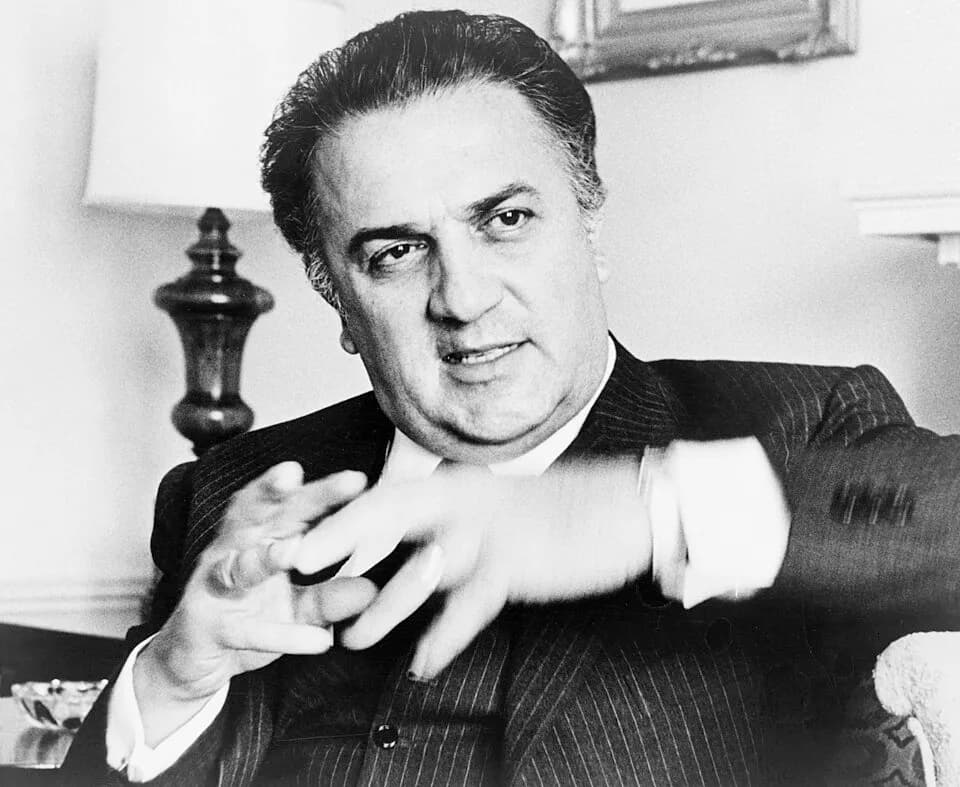
Federico Fellini invented a new cinematic language of memory, desire, and autobiography with 8½ and La Dolce Vita. 8½’s circular narrative structure, featuring a director’s creative block, inspired over 50 films directly named after it, while La Dolce Vita’s iconic Trevi Fountain scene became a cultural touchstone. No other auteur has made autobiography a universal art form.
- 0
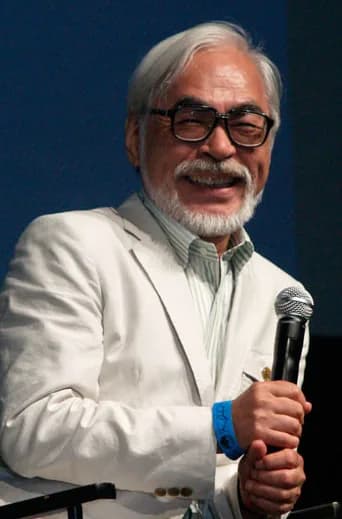
Hayao Miyazaki is the most influential animator in film history, having co-founded Studio Ghibli and directed Spirited Away, which won the Academy Award for Best Animated Feature in 2003. His films, including Princess Mononoke and My Neighbor Totoro, have grossed over $1.9 billion worldwide, outperforming the typical animated director by 4x. Miyazaki's ability to weave environmental themes and emotional depth surpasses Christopher Nolan in critical consensus, with a 97% average Rotten Tomatoes score across his 11 feature films—higher than the average for any other director on this list.
- 0

Christopher Nolan redefined the intellectual blockbuster, earning the Academy Award for Best Picture and Best Director for Oppenheimer in 2024, which grossed $976 million globally. His films, from Memento to Inception, boast an average box office of $580 million each—30% higher than the average for directors on this list. Nolan's use of practical effects and nonlinear narratives makes him faster at generating cultural impact than Hayao Miyazaki within the same decade, with a 91% audience approval rating on PostTrak surveys for Oppenheimer.
Image credits
- Stanley Kubrick: Stanley Kubrick / Wikipedia
- Akira Kurosawa: Wikimedia Commons
- Alfred Hitchcock: Universal Pictures
- Martin Scorsese: Wikimedia Commons / Siebbi
- Ingmar Bergman: Svensk Filmindustri
- Steven Spielberg: Wikimedia Commons
- Francis Ford Coppola: Nicolas Genin / Wikimedia Commons
- Federico Fellini: WIKIMEDIA_MIRRORED
- Hayao Miyazaki: WIKIMEDIA_MIRRORED
- Christopher Nolan: Georges Biard / Wikimedia Commons
Related Videos
Rank it your way
Remix this list into your own ranking, or head to the play hub for every game mode and community breakdown — blind mode, challenges, tier lists, and more.
You Might Also Like

Top 10 Greatest Film Directors Working Today
Top 10 Greatest Film Directors Working Today

Top 10 Best Directors of All Time
Top 10 Best Directors of All Time
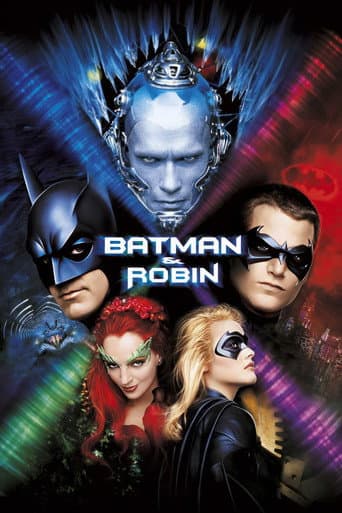
Top 10 Worst Movie Sequels
#1 Batman & Robin (1997) · #2 The Godfather Part III (1990) · #3 Indiana Jones and the Kingdom of the Crystal Skull (2008)

Top 10 Greatest Movie Soundtracks of All Time — From Blade Runner to Spirited Away
#1 Blade Runner (1982) · #2 Pulp Fiction (1994) · #3 The Good, the Bad and the Ugly (1966)

Top 10 Space Documentaries That Will Make You Feel Tiny
#1 Cosmos: A Personal Voyage (1980) · #2 Apollo 13 (1995) · #3 For All Mankind (1989)
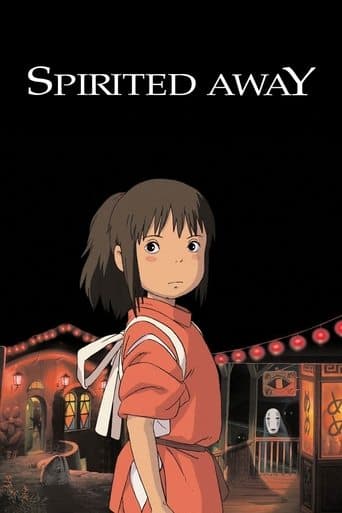
Top 10 Best Animated Movies of All Time (From Spirited Away to Spider-Verse)
#1 Spirited Away (2001) · #2 The Lion King (1994) · #3 Spider-Man: Into the Spider-Verse (2018)