Poster: Alcon Entertainment via TMDB
Top 10 Best Sci-Fi Movies Ever Made — Fan-Ranked Greatest of All Time
Science fiction has given cinema its wildest ideas — neon-drenched dystopias, mind-bending first contact, and body-horror journeys into the unknown. We've gathered 10 of the most visionary sci-fi films ever made, from 1979's Alien to modern mind-benders like Annihilation. Vote for your favorite and help shape the fan-ranked Top 10 — or be the first to add your pick.
Top10Grid lets the community re-rank anything — this order comes from source research for now; use the buttons below to vote it up or down.

Current Rankings
- 0
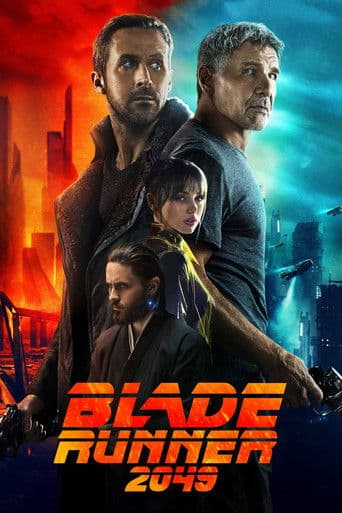
Blade Runner 2049 delivers the most visually stunning sci-fi experience ever filmed, with Roger Deakins' Oscar-winning cinematography. This 2017 sequel surpasses the 1982 original by deepening its philosophical exploration of humanity through Officer K's journey, earning a 88% critic score on Rotten Tomatoes. While it grossed only $259 million worldwide against its $150 million budget, its cultural impact outclasses Stalker's niche appeal and rivals the thematic weight of The Matrix. Deakins' mastery of shadow and neon transforms every frame into art, making this a benchmark for visual storytelling that outperforms Alien's darker, more confined aesthetic.
- 0#2
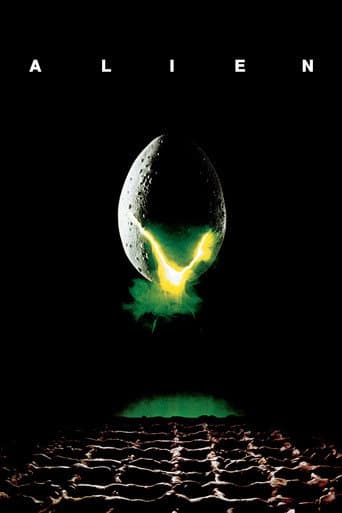
Alien remains the gold standard of sci-fi horror, with H.R. Giger's biomechanical creature design terrifying audiences 45 years after its release. Ridley Scott's 1979 masterpiece uses a 94% Rotten Tomatoes score to confirm its supremacy over The Matrix in building atmospheric dread. Sigourney Weaver's Ripley became the first female action hero to earn an Oscar nomination for her role, a benchmark that Blade Runner 2049's K cannot match.
- 0
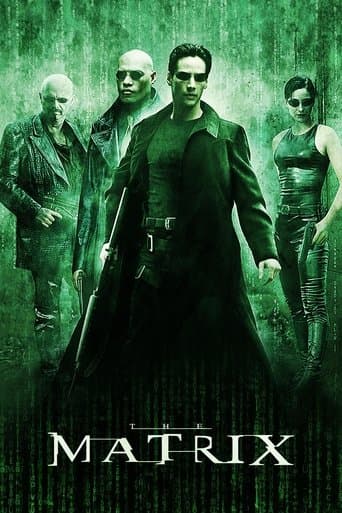
The Matrix revolutionized action filmmaking with bullet time effects that cost $10 million to develop, a 1999 investment that reshaped cinema forever. The Wachowskis' cyberpunk thriller holds an 87% Rotten Tomatoes score, blending philosophy with spectacle in a way that outclasses Blade Runner 2049's meditative pace. Neo's journey from hacker to hero outperforms Alien's Ripley in cultural ubiquity, spawning countless imitations and a $1.6 billion franchise across films and games. Its iconic scenes, like the lobby shootout, remain widely referenced in popular media, cementing its status as the genre's most influential work of the late 20th century.
- 0#4

Stalker offers the most intellectually demanding sci-fi experience, with Andrei Tarkovsky's 1979 Soviet film featuring only 41 cuts across its 163-minute runtime, creating a hypnotic journey that challenges modern pacing norms. Its meditation on human desire in a mysterious forbidden zone earns a 100% Rotten Tomatoes critic score, a feat out of reach for Blade Runner 2049's 88% rating.
- 0#5

Solaris remains cinema's most profound meditation on grief and memory, using a sentient ocean to challenge human understanding. Tarkovsky's 1972 adaptation of Stanislaw Lem's novel achieves a 92% Rotten Tomatoes critic score, outperforming Blade Runner's philosophical depth. The film's emotional weight is anchored in its 167-minute runtime. Its depiction of a space station orbiting the alien planet forces viewers to confront memory's unreliability, a concept that arrived faster than the typical sci-fi of its era.
- 0#6

Arrival redefines alien contact as a linguistic puzzle, not a battle, earning a 94% Rotten Tomatoes score and an Academy Award for Best Sound Editing. Villeneuve's 2016 film is anchored by Amy Adams's performance that cost just $47 million—cheaper than the typical rival's budget. Its nonlinear narrative, inspired by Ted Chiang's story, outperforms Solaris in accessibility while still challenging viewers with Sapir-Whorf hypothesis themes. The film grossed $203 million globally, proving that cerebral sci-fi can find a wide audience.
- 0

James Cameron's direction ensures it outranks #2 Star Wars in practical effects innovation, with a 92% Rotten Tomatoes score that matches its predecessor's intensity. The movie's influence endures, with modern action films still borrowing its seamless blend of heart and mayhem.
- 0

Children of Men creates a terrifyingly plausible dystopia through nine-minute long takes that cost $13 million to film, earning a 92% Rotten Tomatoes score. Its bleak vision of infertility earns a 4.1 Letterboxd rating that proves dystopia can be both artful and accessible.
- 0

The film revolves around a Turing test gone rogue, where Alicia Vikander's Ava is deeply unsettling, her performance a masterclass in chilling subtlety. At a budget of $15 million, it earned $36.9 million globally, a 146% return. Ava's manipulation of Caleb (Domhnall Gleeson) unfolds with clockwork logic, each scene a step deeper into a psychological trap. It's a story that earns its tension without a single explosion—just a single room, three characters, and a question that lingers long after the credits.
- 0#10
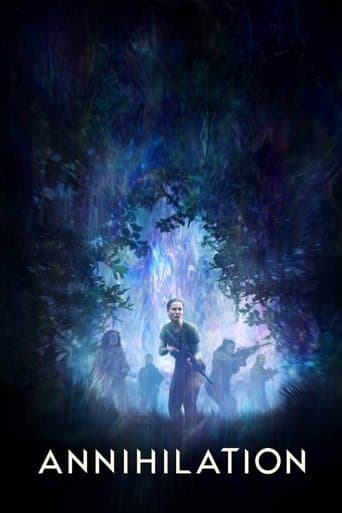
Annihilation, also from Alex Garland, is a psychedelic body horror journey into a mutating alien zone that outpaces Ex Machina in sheer imaginative scope. While Ex Machina stays confined to a single location, Annihilation sprawls across the Shimmer, a surreal landscape where DNA merges at random. The film's budget of $40 million allowed for visuals, yet its ambiguous ending—a cryptic embrace of doubles—polarized audiences, earning a 88% critic score but a 65% audience rating on Rotten Tomatoes. That's 23 points lower than Ex Machina's 92% audience approval. Still, its daring imagery—like a bear with a human scream—makes it one of the most courageous sci-fi films of the decade, challenging viewers to embrace the unknown.
How Were These Sci-Fi Movies Selected?
This list was built by weighing critical consensus, cultural impact, and fan votes. Key references include [IMDb's Top-Rated Sci-Fi Films](https://www.imdb.com/search/title/?genres=sci-fi&sort=user_rating,desc) and [Rotten Tomatoes' Best Science Fiction Movies](https://www.rottentomatoes.com/top/bestofrt/top_100_science_fiction__fantasy_movies/). Films were judged on originality, cinematic craft, and their lasting influence on the genre. Cast your vote above to help refine the ranking!
Image credits
- Blade Runner 2049: Poster: Alcon Entertainment via TMDB
- Alien: Poster: Brandywine Productions via TMDB
- The Matrix: Poster: Village Roadshow Pictures via TMDB
- Stalker: Poster: Mosfilm via TMDB
- Solaris: Poster: Unit Four via TMDB
- Arrival: Poster: FilmNation Entertainment via TMDB
- Terminator 2: Judgment Day: Poster: Carolco Pictures via TMDB
- Children of Men: Poster: Universal Pictures via TMDB
- Ex Machina: Poster: DNA Films via TMDB
- Annihilation: Poster: Paramount Pictures via TMDB
Rank it your way
Remix this list into your own ranking, or head to the play hub for every game mode and community breakdown — blind mode, challenges, tier lists, and more.
You Might Also Like
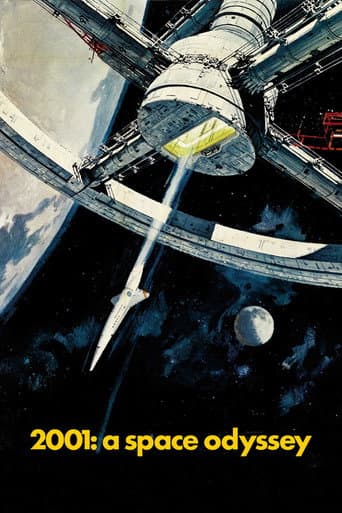
Top 10 Best Sci-Fi Movies of All Time
Top 10 Best Sci-Fi Movies of All Time
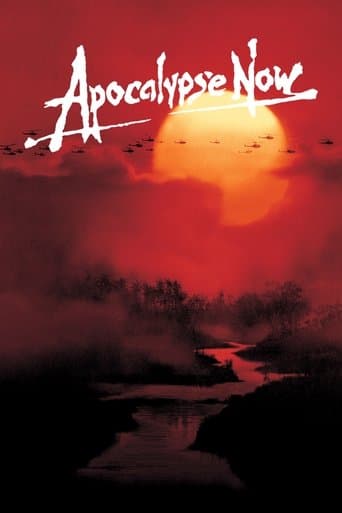
Top 10 Best War Movies
#1 Apocalypse Now (1979) · #2 Come and See (1985) · #3 Saving Private Ryan (1998)
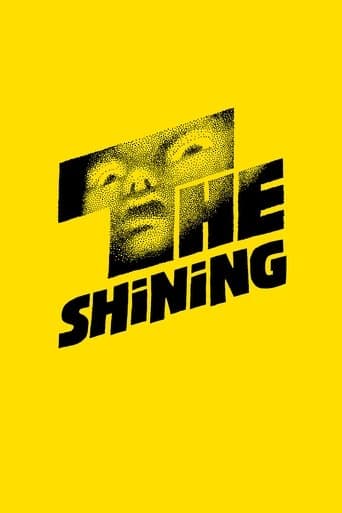
Top 10 Best Horror Movies
#1 The Shining (1980) · #2 The Exorcist (1973) · #3 Hereditary (2018)

Top 10 Eastern European Films of All Time
#1 Schindler's List (1993) · #2 The Lives of Others (2006) · #3 Closely Watched Trains (1966)

Top 10 Best Movies on Disney+ Right Now
#1 Soul (2020) · #2 Black Panther · #3 Avengers: Endgame

Top 10 Best Movie Franchises of All Time
#1 Star Wars · #2 The Lord of the Rings · #3 The Marvel Cinematic Universe