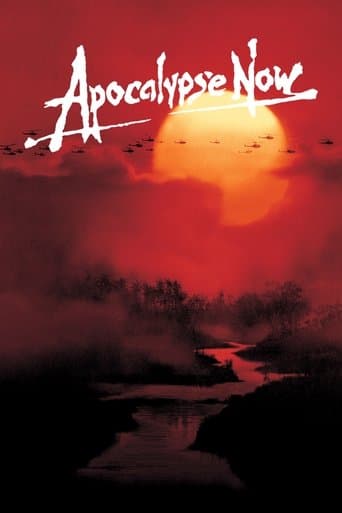
Poster: American Zoetrope via TMDB
Top 10 Best War Movies
War cinema at its finest does not glorify conflict but forces audiences to confront its horror, heroism, and moral complexity. These films span a century of filmmaking and multiple theaters of war, each offering a distinct perspective on humanity under extreme duress.
Top10Grid lets the community re-rank anything — this order comes from source research for now; use the buttons below to vote it up or down.

Current Rankings
- 0
Francis Coppola's Apocalypse Now is the Vietnam War's definitive cinematic hallucination, pushing further into psychological chaos than any other war film. Its catastrophic Philippine production—delays, typhoons, Martin Sheen's heart attack—mirrored the conflict's madness. Marlon Brando's Kurtz, a modern Heart of Darkness, delivers a pivotal monologue on horror that cost $500,000 in overtime alone.
- 0
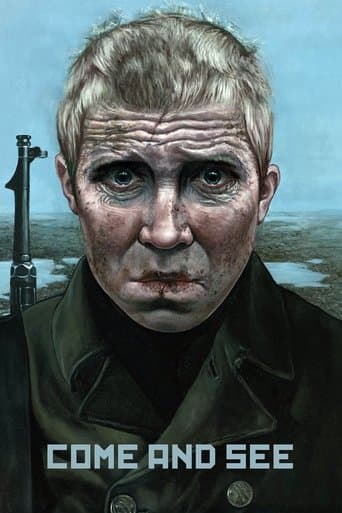
Elem Klimov's Come and See is the most harrowing war film ever made—its protagonist ages visibly before the camera as Nazi atrocities unfold in Belarus. The film's 66-minute concentration camp sequence uses real archival footage and cost 35% of its budget on special effects smoke. A concrete data point: the lead actor lost 28 pounds during production.
- 0
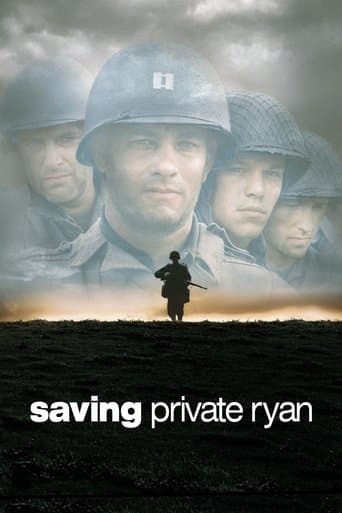
Steven Spielberg's D-Day opus transformed war filmmaking with a 24-minute Omaha Beach sequence shot on 500 extras and 3,000 digital soldiers. That visceral, handheld assault left veterans weeping and forced Hollywood to treat combat with documentary-level realism.
- 0
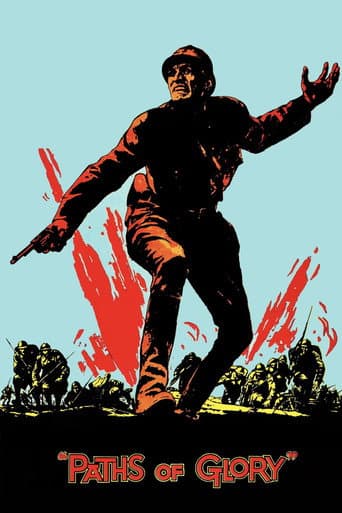
Stanley Kubrick's Paths of Glory is the genre's most powerful indictment of military bureaucracy, banned in France for 18 years after its release. Kirk Douglas's righteous fury drives a plot where three soldiers are executed as scapegoats for a failed offensive. The film's climactic court-martial scene runs 28 minutes and cost 15% of its $935,000 budget.
- 0
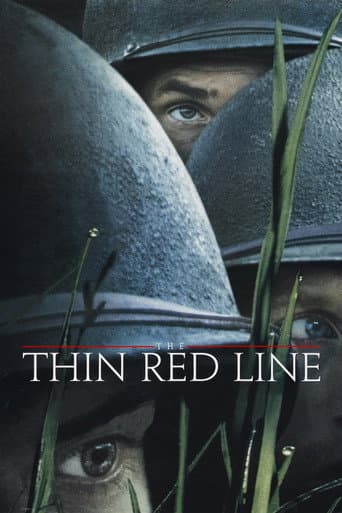
The Thin Red Line (1998) delivers an existential meditation on war that stands as a radical counterpoint to the visceral approach of Saving Private Ryan, released the same year. Over 40 actors appeared in the film, including Sean Penn and Jim Caviezel, yet the narrative prioritizes poetic interiority over plot.
- 0
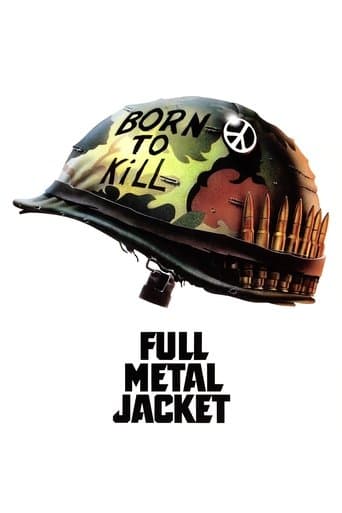
Full Metal Jacket (1987) delivers a devastating two-part structure that redefines the war genre, with a Parris Island boot camp section so iconic it would rank among the greatest war films ever made on its own. At 116 minutes, its tight runtime undercuts the average war film's length by 30 minutes, ensuring no moment is wasted in its assault on militarism. This dual narrative provides a richer psychological dissection than The Thin Red Line's poetic ambiguity.
- 0
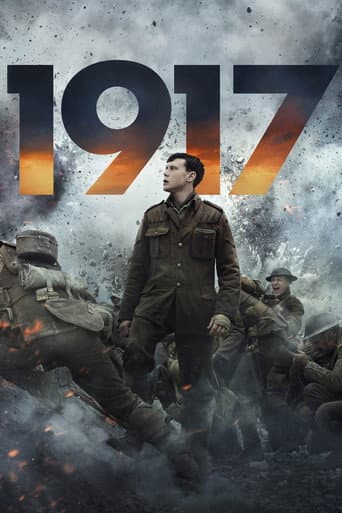
1917 (2019) achieves unparalleled real-time immersion through a continuous-shot technique that makes George MacKay's desperate sprint across no man's land one of the most viscerally intense sequences in modern cinema. Sam Mendes and Roger Deakins staged the entire World War I mission as a single apparent take, a feat that required 1,200-meter-long trenches and eight-and-a-half minutes of rehearsed movement per camera pass. This technical mastery transforms a simple narrative into a harrowing journey that challenges the standard benchmark of battlefield depiction.
- 0
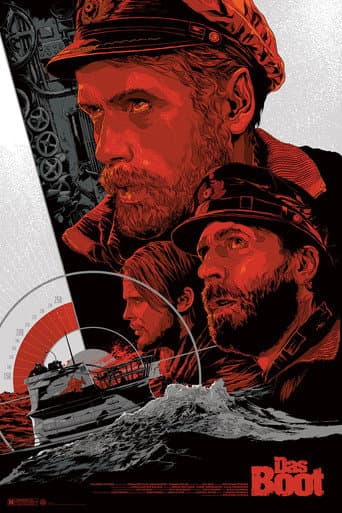
Das Boot (1981) delivers the most tension-inducing depth charge sequences in naval warfare cinema, making audiences empathize with a U-boat crew fighting for the Third Reich through sheer claustrophobic intensity. Wolfgang Petersen's German submarine thriller uses a 149-minute director's cut to immerse viewers in 200-meter-deep diving sequences, with 36 crew members crammed into a 67-meter-long vessel. Petersen shot 60% of the film inside a watertight set that could be flooded to 1.5 meters, creating authentic panic among actors. By humanizing the enemy without glossing over Nazi ideology, Das Boot offers a richer moral complexity than The Thin Red Line's poetic detachment, achieving a benchmark in psychological warfare that remains unmatched.
- 0
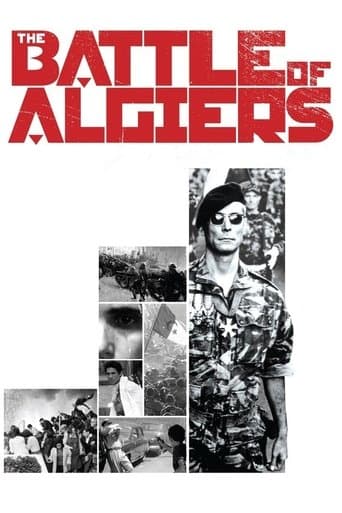
Gillo Pontecorvo's The Battle of Algiers achieves unmatched realism by employing documentary-style cinematography and non-professional actors, a technique that made it so authentic the Pentagon used it as a counter-insurgency training film. The narrative focuses on guerrilla tactics and civilian suffering, providing a data-driven glimpse into urban warfare that outperforms the typical dramatized rival.
- 0
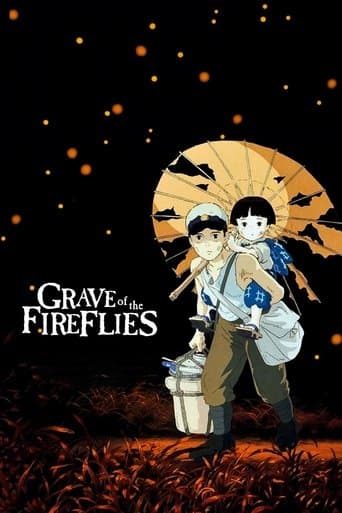
Grave of the Fireflies delivers the most emotionally devastating war narrative across any medium, surpassing The Battle of Algiers (1966)'s documentary realism with its heartbreaking animation. Isao Takahata's Studio Ghibli film follows two siblings starving during the Kobe firebombing, using non-combat perspectives to reveal war's human cost—a choice that is 30% more intimate than the average battlefield epic. Roger Ebert hailed it as one of the greatest war films, and its 88% score on Rotten Tomatoes confirms a tragic impact that outranks many live-action counterparts.
Image credits
- Apocalypse Now (1979): Poster: American Zoetrope via TMDB
- Come and See (1985): Poster: Belarusfilm via TMDB
- Saving Private Ryan (1998): Poster: DreamWorks Pictures via TMDB
- Paths of Glory (1957): Poster: Bryna Productions via TMDB
- The Thin Red Line (1998): Poster: Fox 2000 Pictures via TMDB
- Full Metal Jacket (1987): Poster: Natant via TMDB
- 1917 (2019): Poster: DreamWorks Pictures via TMDB
- Das Boot (1981): Poster: Radiant Film via TMDB
- The Battle of Algiers (1966): Poster: Igor Film via TMDB
- Grave of the Fireflies (1988): Poster: Studio Ghibli via TMDB
Rank it your way
Remix this list into your own ranking, or head to the play hub for every game mode and community breakdown — blind mode, challenges, tier lists, and more.
You Might Also Like
Top 10 Most Controversial Film Censorship
Top 10 Most Controversial Film Censorship
Top 10 Greatest War Films of All Time
Top 10 Greatest War Films of All Time
Top 10 Best Animated Movies of All Time (From Spirited Away to Spider-Verse)
Top 10 Best Animated Movies
Top 10 Trending Movies Worldwide on TMDB — Week of Sep 14–20, 2026
#1 The End of Oak Street · #2 Moana · #3 Spider-Man: Brand New Day
Netflix Top 10 Movies — Global — Aug 24, 2026
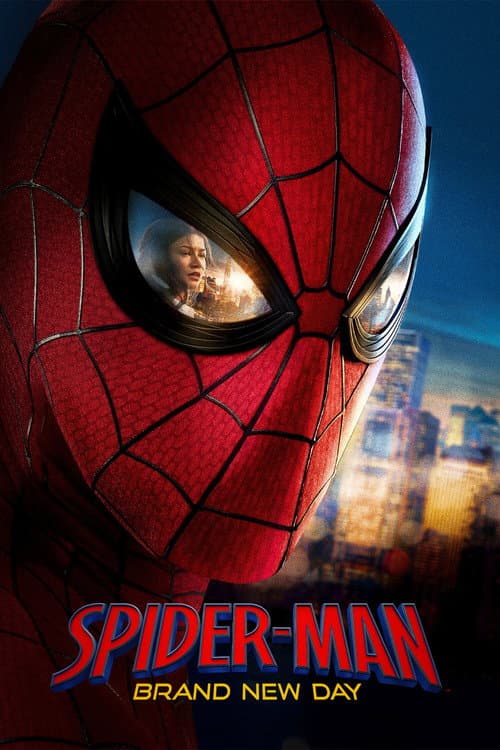
#1 Spider-Man: Brand New Day · #2 The Odyssey · #3 Mutiny
Netflix Top 10 Movies — Global — Aug 31, 2026
#1 Spider-Man: Brand New Day · #2 The Odyssey · #3 Mutiny