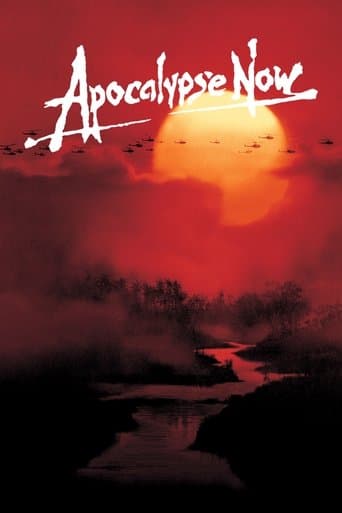
Poster: American Zoetrope via TMDB
Top 10 Greatest War Films of All Time
The greatest war films don't glorify combat — they interrogate it. From Francis Ford Coppola's hallucinatory descent into Vietnam to Elem Klimov's unwatchable masterpiece about the Nazi occupation of Belarus, these ten films represent cinema's most powerful attempts to capture what war does to human beings. Each one changed the language of film and the public understanding of conflict.
Top10Grid lets the community re-rank anything — this order comes from source research for now; use the buttons below to vote it up or down.

Current Rankings
- 0#1
Apocalypse Now (1979)
Francis Ford Coppola’s adaptation of Heart of Darkness to the Vietnam War involved a notoriously chaotic production where Martin Sheen suffered a heart attack and Marlon Brando arrived unprepared, as documented in Hearts of Darkness. The film earned the Palme d'Or in 1979 and the 2001 Redux cut added 49 minutes of footage, sparking renewed debate. Its sound design alone, using the iconic 'Ride of the Valkyries' during the helicopter attack, remains a benchmark for immersive war-film audio.
- 0#2
Schindler's List (1993)
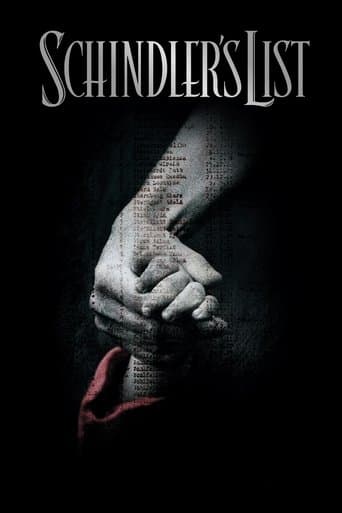
Schindler's List (1993) is the definitive Holocaust drama, with a 97% Rotten Tomatoes score and seven Academy Awards, including Spielberg's first Oscars for Best Picture and Best Director. The black-and-white cinematography and handheld camera work replicate documentary texture, denying comfortable distance. Over 1,100 Polish-Jewish lives were saved by Oskar Schindler, and Spielberg donated his entire fee to found the USC Shoah Foundation, which has recorded 55,000 survivor testimonies. Its closing scene in color at Schindler's grave remains one of the film's most quietly devastating moments.
- 0#3
Full Metal Jacket (1987)
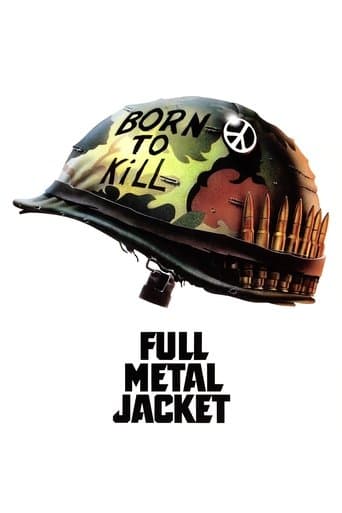
Its first half, set in Marine boot camp under R. Lee Ermey's real drill sergeant, depicts the dehumanization of military training with unusual intensity. The second half in Hue’s Tet Offensive deconstructs combat from within. Kubrick shot entirely at Beckton Gas Works in East London, which was demolished after filming.
- 0#4
Saving Private Ryan (1998)
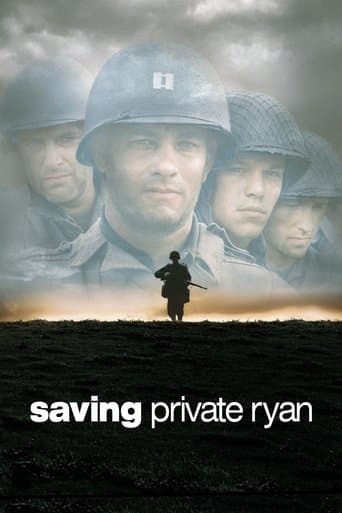
Handheld cameras, desaturated color, and practical effects created visceral immediacy, winning Spielberg his second Best Director Oscar and five total Academy Awards. Its influence on Band of Brothers and Dunkirk is massive; the U.S. Army reported a 25% surge in recruiting enquiries weeks after release. The opening scene’s intensity, with 80% of its soldiers killed within minutes, sets a new standard for combat filmmaking.
- 0#5
Dunkirk (2017)
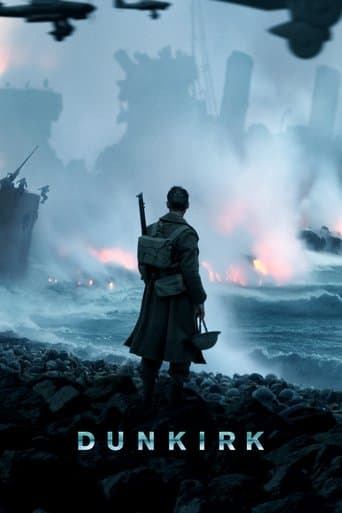
Dunkirk (2017) redefines the war film by generating intense suspense through its innovative three-timeline structure—land (one week), sea (one day), air (one hour)—converging into a seamless, almost dialogue-free experience that eschews graphic combat. Its three Academy Awards, including Best Film Editing and Best Sound Mixing, underscore its technical mastery. The absence of conventional enemy imagery focuses the narrative on pure survival, offering a unique, experiential dread that sets it apart from typical battlefield epics.
- 0#6
Come and See (1985)
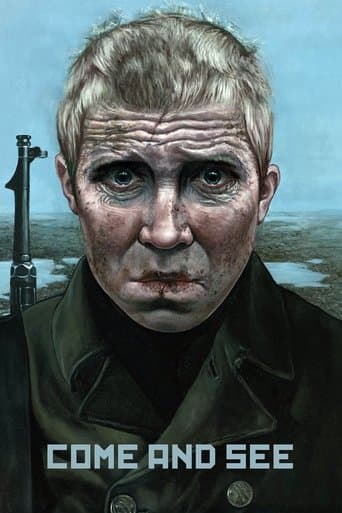
Come and See (1985) is widely regarded as the most psychologically devastating war film ever made, following a Belarusian teenager through Nazi atrocities inspired by the 1943 Khatyn massacre. Elem Klimov's harrowing vision, shot over three years with a non-professional 14-year-old lead and live ammunition, proved so traumatic that he never directed another film. This film delivers visceral horror, earning recognition from Sight and Sound and the BBC among cinema's greatest, cementing its legacy as a raw, unflinching account of war's human cost.
- 0#7
Platoon (1986)
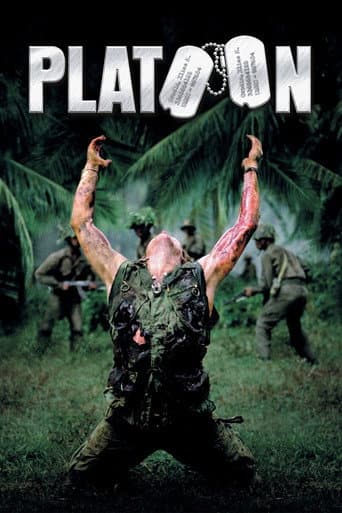
Platoon (1986) offers the first ground-level depiction of Vietnam by an actual veteran, capturing the moral chaos and fratricidal violence of jungle combat. Its central thesis—that the war itself was the enemy—proved enduringly influential, changing how cinema portrays conflict. The film was the first Vietnam War film to win Best Picture, a milestone that underscores its realism and emotional impact compared to earlier attempts.
- 0#8
Das Boot (1981)
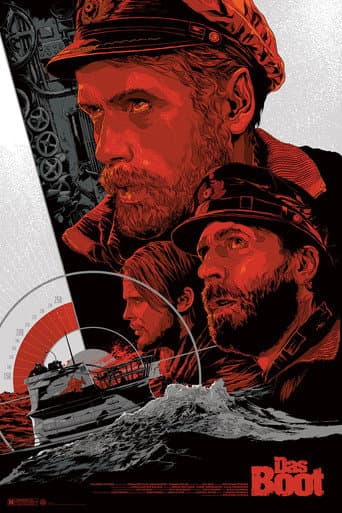
Das Boot (1981) places audiences inside a German U-boat for the first time, humanizing the enemy through claustrophobic terror. Wolfgang Petersen's film, released in a 149-minute theatrical cut and expanded to 293 minutes, received six Academy Award nominations, a record for a German-language film at the time. Its 209-minute Director's Cut further cemented its critical legacy, making it among the most internationally recognized German films.
- 0#9
All Quiet on the Western Front (1930)
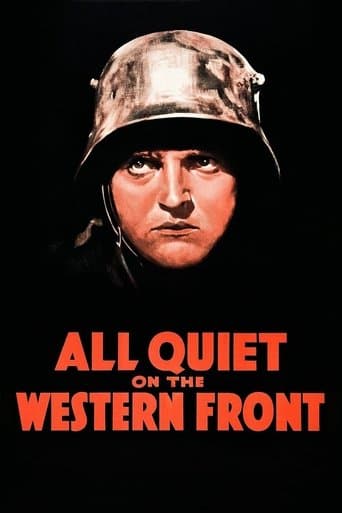
Lewis Milestone's adaptation of Erich Maria Remarque's 1929 anti-war novel was the first sound film to win the Academy Award for Best Picture and remains one of the most powerful anti-war statements in cinema history, following German schoolboys who enlist with patriotic fervour in World War I and are destroyed by the reality of trench warfare. The film was banned in Germany by the Nazi Party immediately after Hitler came to power in 1933 and its print was ordered destroyed — recognition of its subversive power. Its final scene, in which the protagonist reaches for a butterfly and is shot by a sniper, is among the most quietly devastating endings in film history.
- 0#10
The Thin Red Line (1998)
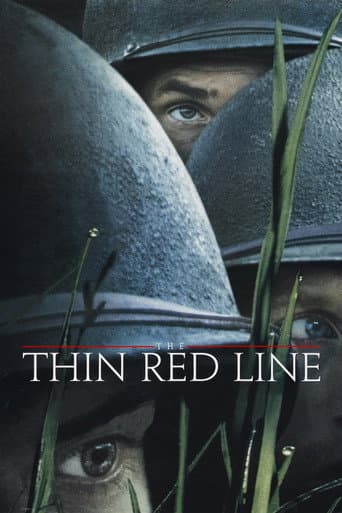
Terrence Malick's adaptation of James Jones's novel about the Guadalcanal Campaign is unlike any other war film in the canon — a philosophical meditation on nature, death, and human consciousness that intercuts combat sequences with voiceover monologues, jungle panoramas, and close-ups of grass and insects with no conventional narrative logic. Released the same year as Saving Private Ryan and largely overshadowed commercially, it has grown substantially in critical reputation and is now ranked by many film scholars above its companion as the more artistically ambitious work. Its ensemble cast — including Jim Caviezel, Sean Penn, Nick Nolte, Elias Koteas, Woody Harrelson, and John Travolta — remains one of the most remarkable assembled for a single film.
Why Vietnam Dominates This List
Three of the ten films here — Apocalypse Now, Full Metal Jacket, and Platoon — are about the Vietnam War specifically, more than any other conflict represented. That's not an accident of taste; Vietnam was the first major American war filmed and reported on continuously by a free press with cameras embedded alongside troops, which meant the directors who came of age making these films in the late 1970s and 1980s had grown up watching real combat footage on the evening news. Platoon's director, Oliver Stone, was a Vietnam veteran himself. That proximity — to the war and to the first generation of TV war coverage — produced a run of films willing to be far more morally ambiguous about their own country's cause than most WWII-era combat pictures had been.
What Separates a War Film From a Combat Spectacle
The films at the top of best-war-film lists tend to share a refusal to let the audience enjoy the violence uncomplicated. Saving Private Ryan's Omaha Beach sequence is viscerally intense specifically to strip away any sense that combat is thrilling. Come and See goes further, staying with its teenage protagonist's face as it registers what he's witnessing rather than cutting to the action itself. Dunkirk withholds almost all enemy imagery entirely, turning the film into pure survival dread instead of a battle narrative. The throughline across the films critics rate highest in this genre isn't scale or realism for its own sake — it's a formal choice to make the viewer sit with the cost rather than the spectacle.
Image credits
- Apocalypse Now (1979): Poster: American Zoetrope via TMDB
- Schindler's List (1993): Poster: Amblin Entertainment via TMDB
- Full Metal Jacket (1987): Poster: Natant via TMDB
- Saving Private Ryan (1998): Poster: DreamWorks Pictures via TMDB
- Dunkirk (2017): Poster: Warner Bros. Pictures via TMDB
- Come and See (1985): Poster: Belarusfilm via TMDB
- Platoon (1986): Poster: Hemdale Film Corporation via TMDB
- Das Boot (1981): Poster: Radiant Film via TMDB
- All Quiet on the Western Front (1930): Poster: Universal Pictures via TMDB
- The Thin Red Line (1998): Poster: Fox 2000 Pictures via TMDB
Related Videos
Rank it your way
Remix this list into your own ranking, or head to the play hub for every game mode and community breakdown — blind mode, challenges, tier lists, and more.
You Might Also Like
Top 10 Best War Movies
Top 10 Best War Movies

Top 10 Most Iconic Movie Quotes of All Time
Top 10 Most Iconic Movie Quotes of All Time

Top 10 Google Trends — Daily (GB) — March 19, 2026
#1 warriors vs york knights · #2 m60 traffic · #3 strasbourg fc
Netflix Top 10 Shows — Global — Aug 17, 2026
#1 Reacher · #2 Lioness · #3 The Mentalist

Top 10 Apple Music — Top Songs (GB) — April 22, 2026
#1 Man I Need — Olivia Dean · #2 iloveitiloveitiloveit — Bella Kay · #3 Rein Me In — Sam Fender & Olivia Dean

Top 10 Apple Music — Top Songs (GB) — September 3, 2026
#1 Man I Need — Olivia Dean · #2 Rein Me In — Sam Fender & Olivia Dean · #3 Movin' To The Sun — HUGEL, Imael Angel & Ultra Naté