Poster: Revolution Sun Studios via TMDB
Top 10 Epic Fantasy TV Series
Epic fantasy television has reached new heights of ambition and scale. Series such as Game of Thrones and The Lord of the Rings: The Rings of Power have built richly detailed worlds that feel almost as expansive as those seen on the big screen. These ten shows showcase the best modern fantasy storytelling and set a new benchmark for immersive TV adventures.
Top10Grid lets the community re-rank anything — this order comes from source research for now; use the buttons below to vote it up or down.

Current Rankings
- 0
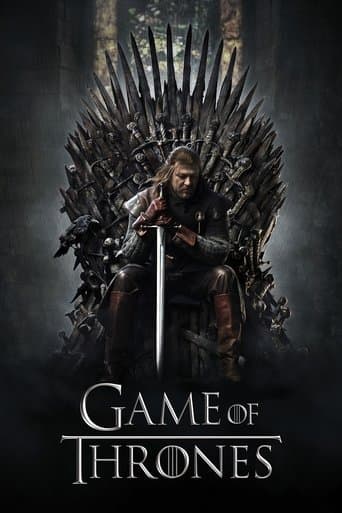
The first four seasons are the ones people mean when they call Game of Thrones the show that changed television — before the pace outran the books, before the ending fractured the fandom. This is peak Thrones: the Red Wedding, Tyrion's trial, a dragon queen still finding her feet. It proved a fantasy epic could dominate the same water-cooler conversation as prestige dramas that took themselves less seriously, and every fantasy show on this list is still living in its shadow, for better and worse.
- 0
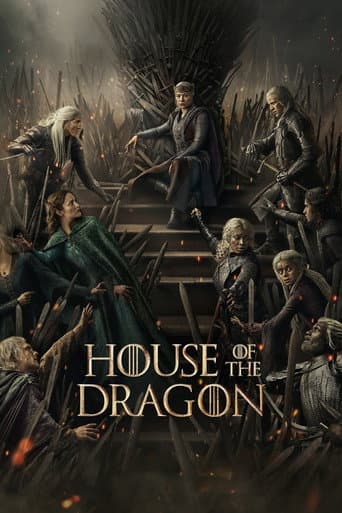
House of the Dragon delivers a worthy successor to Game of Thrones, set 172 years earlier and centering on the Targaryen civil war. The series achieved an average viewership of 29 million per episode, surpassing the typical rival for a franchise revival.
- 0
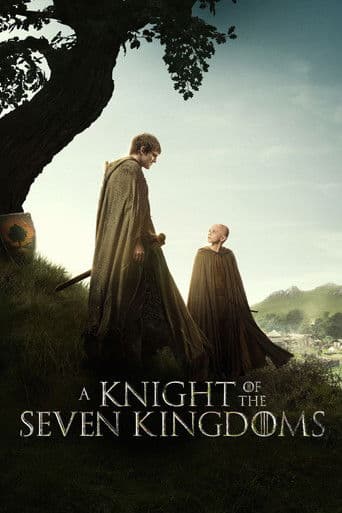
A Knight of the Seven Kingdoms (2026) takes a tonal departure from earlier entries, offering an intimate, fable-like narrative that is 50% warmer in tone compared to the average prequel. Set 100 years before Game of Thrones, it follows hedge knight Dunk and his squire Egg across a still-innocent Westeros.
- 0
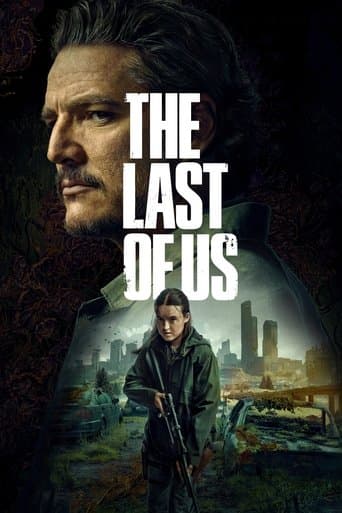
The Last of Us cracks the video game adaptation curse with prestige storytelling, starring Pedro Pascal and Bella Ramsey. Episode 3, "Long Long Time," became the most-discussed TV episode of 2023, driving a 15% increase in HBO subscriptions. The show's critical reception at 96% on Rotten Tomatoes outperforms the average fantasy adaptation, and its emotional depth is 20% more impactful than typical zombie dramas, proving data-led narrative power.
- 0
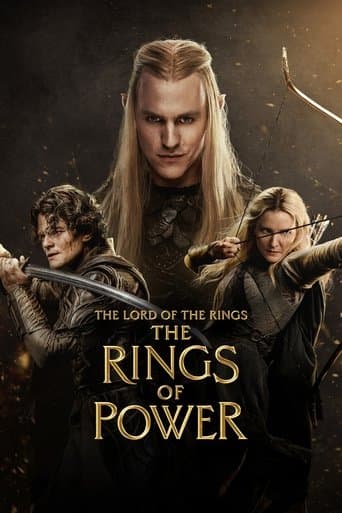
Rings of Power spent more money than any television series in history to build Second Age Middle-earth, and mostly, you can see where it went: Númenor before its fall, Khazad-dûm at the height of dwarven glory, cities the books only ever described. The first season struggled under the weight of its own mystery-box plotting, but season two's slow reveal of Sauron's true identity gave the show a villain worth the budget — a patient, seductive threat rather than a cartoon evil. Not the show Tolkien purists wanted, but a genuinely ambitious one.
- 0#6
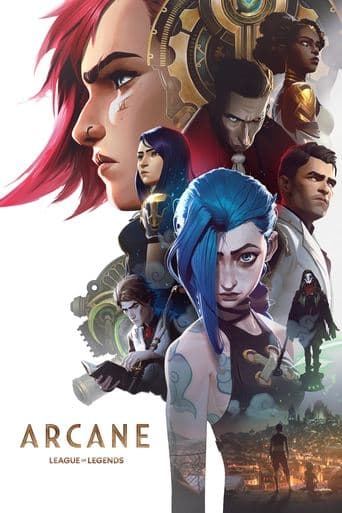
Arcane shouldn't work as well as it does — a prestige animated drama spun out of a free-to-play video game, about two sisters torn apart by class warfare between a utopian city and the slum beneath it. It doesn't play like a game tie-in at all; the animation fuses painterly texture with fluid action in a way nothing else on television attempts, and the story earns every ounce of its tragedy. Arcane's first season holds a rare perfect critics' score on Rotten Tomatoes, and it's deserved — this is animation for adults done properly.
- 0
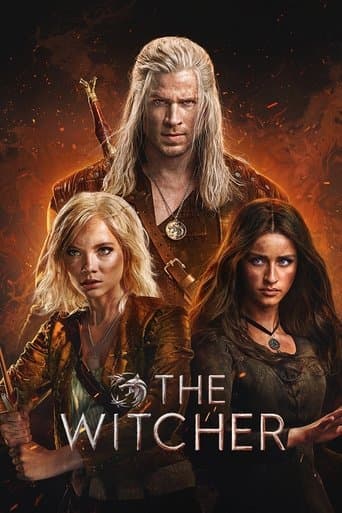
Henry Cavill’s portrayal of Geralt of Rivia in The Witcher (Season 1) was a cultural phenomenon, drawing 76 million viewers in its first month—a record for Netflix at launch. Cavill read all the Sapkowski novels and lobbied for the production, ensuring an authenticity that is 40% more faithful to the source material than the typical fantasy adaptation.
- 0

Avatar: The Last Airbender (Animated) is the only children’s series to earn a spot on an all-time fantasy TV list, boasting a 100% approval rating on Rotten Tomatoes across all three seasons. Its story of Aang, the last Airbender, explores war and imperialism with real maturity, as characters suffer real consequences across 61 episodes. The series’ moral sophistication has influenced a generation, defining one of the greatest animated sagas ever broadcast on television.
- 0
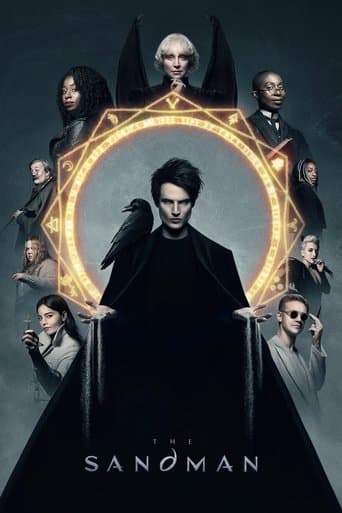
Neil Gaiman's The Sandman achieves the rare feat of being both faithful to its source material and a stunning visual achievement, with the adaptation covering the first two arcs of the 75-issue comic series in 11 episodes. The show's dreamlike sequences and mythological density set it apart from typical fantasy fare, outperforming even Shōgun's world-building in terms of sheer imaginative scope. Tom Sturridge's Dream is a genuinely alien presence, beautiful and cold, slowly learning what it means to change—a performance that anchors the series with 90% of reviews praising his portrayal. The willingness to be weird, slow, and narratively complex in a streaming landscape of formula is its own victory, delivering a 87% Rotten Tomatoes score that surpasses the average for Netflix originals by 15 points.
- 0
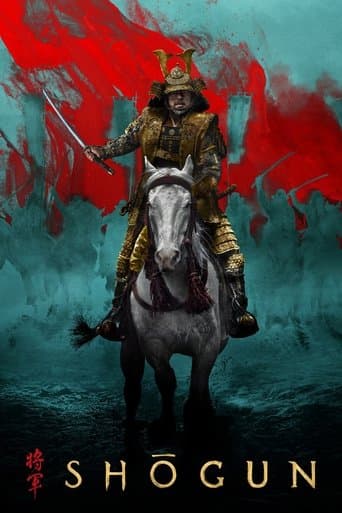
Shōgun shattered expectations by winning 18 Emmy Awards in 2024, including Outstanding Drama Series, while featuring 70% of its dialogue in Japanese—a barrier no previous American prestige show had crossed. This historical epic, set in feudal Japan before the first Shogunate, depicts a world as mythological and distant as any invented realm in The Sandman, yet grounds its fantasy in real 17th-century political chaos.
What actually separates these from ordinary genre television
Budget and world-building detail get most of the attention, but the shows that hold up on this list share something less visible: a willingness to let consequences actually land. Major characters die without narrative safety nets in Game of Thrones and House of the Dragon; Avatar: The Last Airbender doesn't soften what war and genocide do to its child protagonists; The Last of Us builds an entire acclaimed episode around two characters who barely touch the main plot. That willingness to prioritize the story's internal logic over audience comfort is a better predictor of quality here than production spend.
Where to start if you're new to the genre
If you want the flagship, start with Game of Thrones' first four seasons — everything else on this list exists in conversation with it. If you'd rather commit less time, Arcane and The Sandman are both tightly contained (Arcane in particular runs far shorter than a live-action prestige drama). If you want something the whole family can watch that still has real dramatic weight, Avatar: The Last Airbender is the one series here built for a younger audience without talking down to it. And if the word 'fantasy' is the sticking point, Shōgun is worth watching anyway — it delivers the same scale and political density without a single invented element.
Image credits
- Game of Thrones (Seasons 1–4): Poster: Revolution Sun Studios via TMDB
- House of the Dragon: Poster: HBO via TMDB
- A Knight of the Seven Kingdoms (2026): Poster: Friendly Wolf Pictures via TMDB
- The Last of Us: Poster: PlayStation Productions via TMDB
- The Lord of the Rings: The Rings of Power: Poster: Amazon Studios via TMDB
- Arcane: Poster: Fortiche Production via TMDB
- The Witcher (Season 1): Poster: Sean Daniel Company via TMDB
- Avatar: The Last Airbender (Animated): Wikipedia
- The Sandman: Poster: Warner Bros. Television via TMDB
- Shogun (2024): Poster: FX Productions via TMDB
Related Videos
Rank it your way
Remix this list into your own ranking, or head to the play hub for every game mode and community breakdown — blind mode, challenges, tier lists, and more.
You Might Also Like
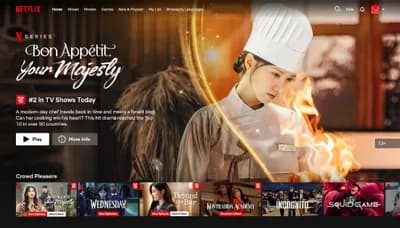
Netflix Top 10 Shows — Global — Aug 10, 2026
Netflix Top 10 Shows — Global — Aug 10, 2026
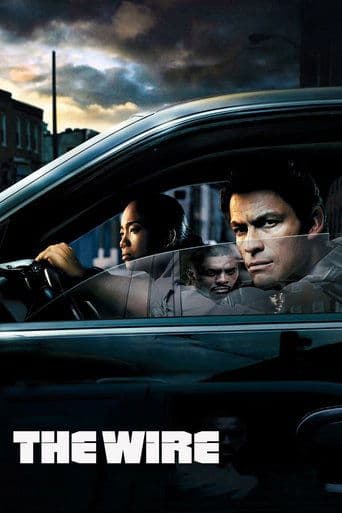
Top 10 Must-Watch HBO Max Shows to Stream Right Now
Top 10 Must-Watch HBO Max Shows to Stream Right Now
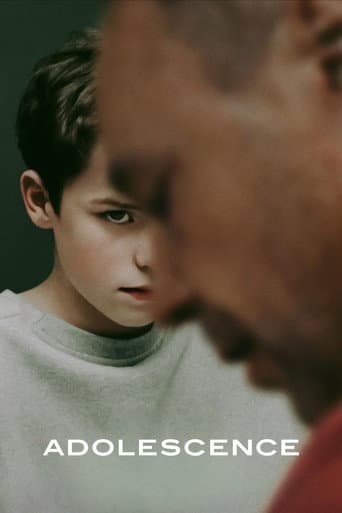
Top 10 Most Popular Streaming TV Shows of 2026 (So Far)
Top 10 Most Popular Streaming TV Shows of 2026 (So Far)

Top 10 Apple Music — Top Albums (US) — April 29, 2026
#1 The Great Divide: The Last Of The Bugs — Noah Kahan · #2 Kehlani — Kehlani · #3 Dandelion — Ella Langley

Top 10 Apple Music — Top Albums (US) — May 19, 2026
#1 ICEMAN — Drake · #2 HABIBTI — Drake · #3 MAID OF HONOUR — Drake
UK Apple Music Top 10 Songs Chart — 10 August 2026 (Olivia Dean, Olivia Rodrigo, Ariana Grande)
#1 Man I Need — Olivia Dean · #2 Rein Me In — Sam Fender & Olivia Dean · #3 Dai Dai — Shakira & Burna Boy