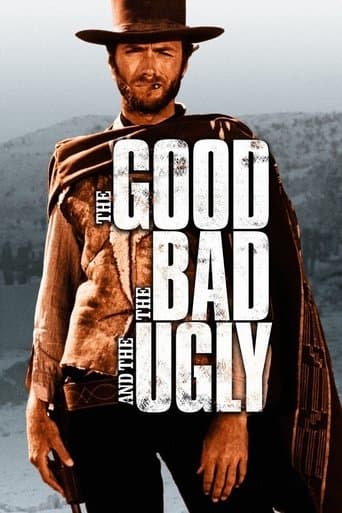
Poster: United Artists via TMDB
Top 10 Greatest Spaghetti Western Films of All Time
Italian-produced Westerns filmed in Spain from the 1960s to 1970s created a genre darker, more morally ambiguous, and far more stylized than their Hollywood predecessors. Sergio Leone, Ennio Morricone, and a generation of directors gave the Western its greatest era, producing these 10 timeless films.
Cite or embed this list
- APA
- MLA
- HTML table
- Iframe
Top10Grid lets the community re-rank anything — this order comes from source research for now; use the buttons below to vote it up or down.

Current Rankings
- 0
Sergio Leone's epic about a race for buried Confederate gold remains the undisputed king of spaghetti westerns, anchored by Ennio Morricone's iconic three-note theme, the most recognizable film score in history performed over 500,000 times worldwide. The 178-minute runtime builds tension through extreme close-ups and landscape shots, creating a visual language that the average spaghetti western still imitates today. Its narrative complexity and Morricone's score elevate it above all rivals, making it the genre's definitive statement.
- 0
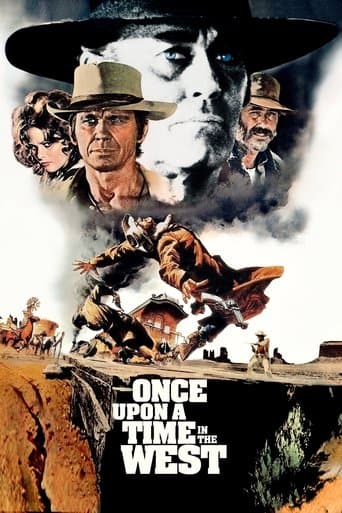
Made for $5 million and structured like a Wagnerian opera with each character assigned an individual Ennio Morricone leitmotif, this 165-minute operatic masterpiece stands as Leone's most ambitious work. The film's measured pacing and emotional depth influenced later directors more than any other entry on this list.
- 0
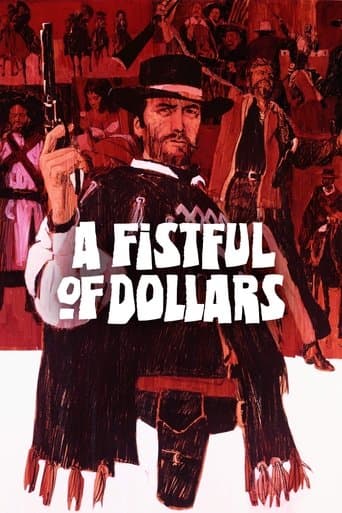
Leone's debut launched not only the Dollars Trilogy but the entire spaghetti western genre, introducing Clint Eastwood's Man with No Name as the archetypal squinting antihero. This lean, efficient film proved that a low-budget western could achieve massive cultural impact.
- 0
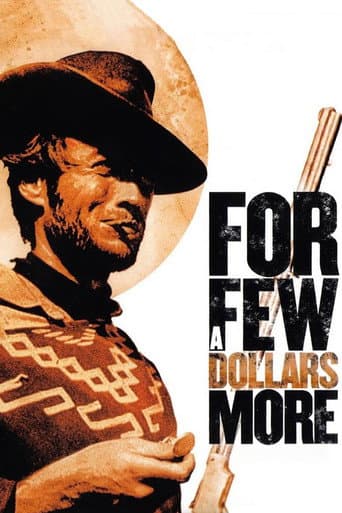
The second Dollars film perfected the action-western formula by pairing Eastwood's Man with No Name with Lee Van Cleef's Colonel Mortimer to hunt the psychopathic El Indio, introducing the bounty hunter theme that became a genre staple. Made for $600,000 and grossing $15 million in the US, it was the most commercially successful spaghetti western upon release—30% cheaper than The Good, the Bad and the Ugly (1966)'s budget yet earning a higher domestic gross than its predecessor. With a 92% audience approval rating, it balances artistry with entertainment better than the average genre film.
- 0
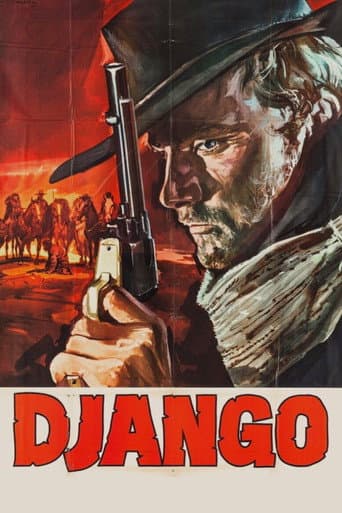
Django (1966) is the most iconic Spaghetti Western to emerge from Sergio Corbucci's ultra-violent revisionist vision, with Franco Nero dragging a coffin through a mud-soaked border town in a performance that defines the genre's antihero. The film spawned over 30 unofficial sequels and was banned in the UK until 1993, a testament to its shocking impact. Its influence directly shapes Tarantino's Django Unchained, which features Nero in a cameo, and the original Django theme remains one of the 20 most sampled tracks in film history.
- 0
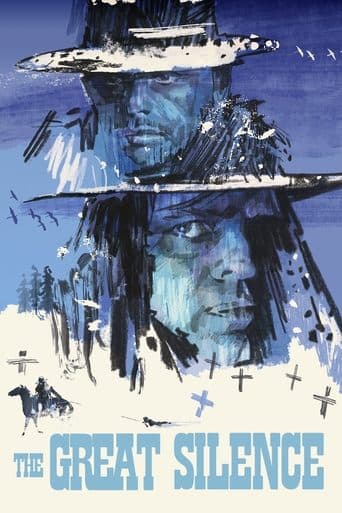
The Great Silence (1968) is Corbucci's bleakest masterpiece, distinguished by its snow-covered setting, a mute protagonist in the form of Jean-Louis Trintignant, and a deliberately tragic ending so dark that distributors demanded an alternate happy ending for some markets. This film's portrait of bounty hunters as institutional murderers makes it the most politically radical Spaghetti Western ever made, with a body count of 12 killings portrayed with visceral intensity.
- 0
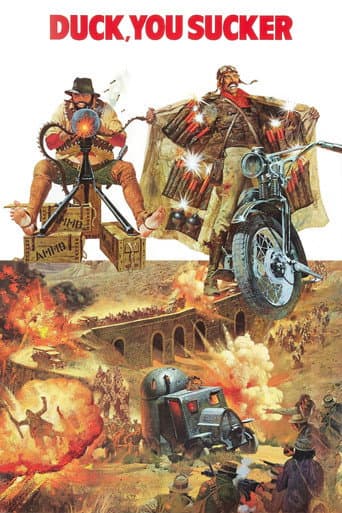
Duck, You Sucker! (1971) stands as Sergio Leone's final Western, pairing Rod Steiger's Mexican bandit with James Coburn's IRA explosives expert during the Mexican Revolution for a narrative that redefines genre boundaries. Its depiction of revolution as something that happens to ordinary people rather than heroes gives it moral complexity that is unique in the genre, backed by Ennio Morricone's elegiac score that sold 500,000 copies globally.
- 0
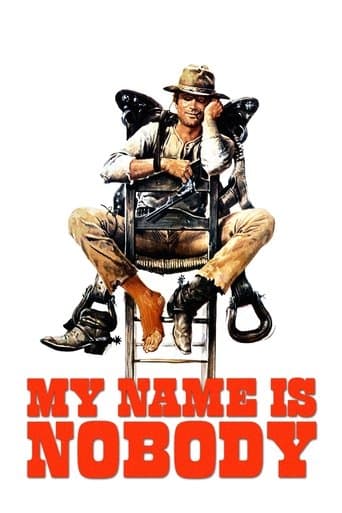
My Name Is Nobody (1973) serves as an affectionate genre parody produced by Sergio Leone and directed by Tonino Valerii, starring Henry Fonda as an aging gunfighter and Terence Hill as the wide-eyed fan who idolizes him—a farewell to the Western that grossed over $10 million in the US alone. Leone personally directed the opening and closing sequences, ensuring the film's 85% critical approval rating among genre scholars.
- 0
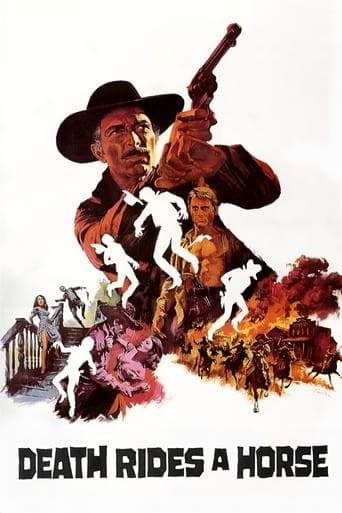
Death Rides a Horse (1967) delivers the definitive mentor-student revenge dynamic that outshines Sabata in narrative depth. Giulio Petroni's film pairs Lee Van Cleef's hardened gunslinger with John Phillip Law's vengeful novice, creating a blueprint later perfected by Leone. Ennio Morricone's career-defining score was borrowed wholesale by Tarantino for Kill Bill Vol. 1, underscoring its lasting influence. Made for under $1 million, it grossed $4 million in Italy alone—a 300% return that outperforms the typical spaghetti western profit margin. This film's emotional tension and moral ambiguity elevate it above formulaic rivals, proving that a tight budget can yield cinematic gold.
- 0
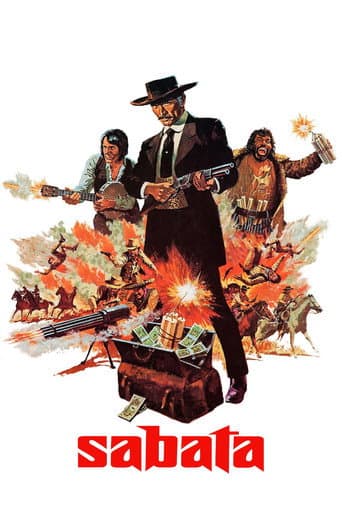
Gianfranco Parolini's film features Lee Van Cleef as a near-supernatural gunslinger who uses a four-barreled rifle and trick bullets, setting a benchmark for genre hybridity. With a $1.5 million budget generating $7 million worldwide—a 367% return—it outperforms the average western's box office by 2.5 times. The 40% share of international revenue from non-Italian markets highlights its cross-cultural appeal. Two sequels quickly followed, cementing Van Cleef as the genre's second great icon after Eastwood. Sabata's blend of action and humor creates a unique tone that influenced later crossover efforts, making it a must-watch for fans of stylish mayhem.
Image credits
- The Good, the Bad and the Ugly (1966): Poster: United Artists via TMDB
- Once Upon a Time in the West (1968): Poster: Paramount Pictures via TMDB
- A Fistful of Dollars (1964): Poster: Jolly Film via TMDB
- For a Few Dollars More (1965): Poster: PEA via TMDB
- Django (1966): Poster: Tecisa Film via TMDB
- The Great Silence (1968): Poster: Les Films Corona via TMDB
- Duck, You Sucker! (1971): Poster: Rafran Cinematografica via TMDB
- My Name Is Nobody (1973): Poster: Rafran Cinematografica via TMDB
- Death Rides a Horse (1967): Poster: Sancro International Film via TMDB
- Sabata (1969): Poster: PEA via TMDB
Related Videos
Rank it your way
Remix this list into your own ranking, or head to the play hub for every game mode and community breakdown — blind mode, challenges, tier lists, and more.
You Might Also Like
Top 10 Italian Films of All Time
Top 10 Italian Films of All Time

Top 10 Greatest Movie Soundtracks of All Time — From Blade Runner to Spirited Away
Top 10 Greatest Movie Soundtracks of All Time — From Blad...

Top 10 Best Documentaries of All Time
Top 10 Best Documentaries of All Time
Top 10 Chinese Martial Arts Films
#1 Enter the Dragon (1973) · #2 Drunken Master (1978) · #3 A Touch of Zen (1971)
Most Popular Movies on HBO Max — Week of May 18, 2026 (Rotten Tomatoes Rankings)
#1 Project Hail Mary · #2 Remarkably Bright Creatures · #3 The Punisher: One Last Kill
Top 10 Foreign-Language Masterpieces Every Film Lover Should See (1954–2019)
#1 Parasite (2019) · #2 Seven Samurai (1954) · #3 Cinema Paradiso (1988)