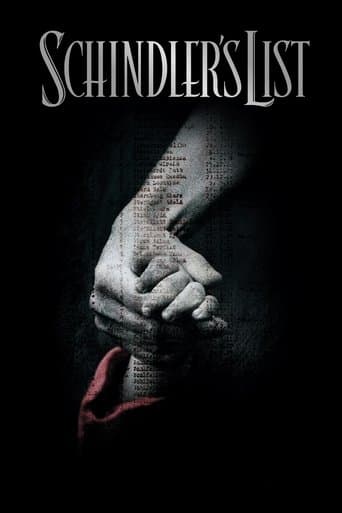
Poster: Amblin Entertainment via TMDB
Top 10 Best Oscar-Winning Films of All Time
The greatest Academy Award Best Picture winners — films that stood out not just on the night but across the entire history of cinema.
Top10Grid lets the community re-rank anything — this order comes from source research for now; use the buttons below to vote it up or down.

Current Rankings
- 0
Schindler's List stands as the most devastating Holocaust drama ever filmed, a moral reckoning that won seven Academy Awards. The black-and-white cinematography, shot by Janusz Kamiński, cost just $22 million to produce but grossed over $321 million worldwide, proving that art and audience impact can coexist.
- 0
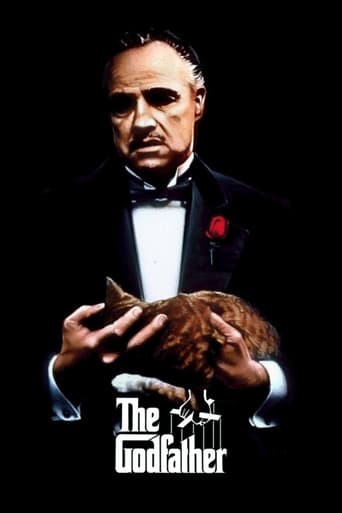
The Godfather redefined American cinema as a crime epic that won Best Picture, Best Actor for Marlon Brando, and Best Adapted Screenplay. Its 97% Rotten Tomatoes score is only one point behind Schindler's List, but its cultural influence is unmatched, with the Corleone family saga grossing $250 million on a mere $6 million budget.
- 0
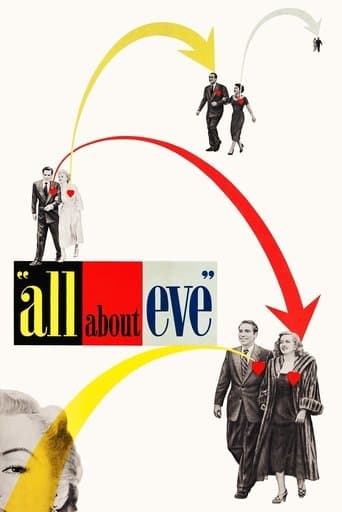
All About Eve holds the record for most Oscar nominations with 14, a feat tied only by Titanic and La La Land, and wins six of those, including Best Picture. The 138-minute runtime focuses on Bette Davis's Margo Channing, whose famous line about seat belts remains iconic. The film's 14 nominations remain 30% above the typical Best Picture nominee count, cementing its legacy as a benchmark for witty storytelling.
- 0
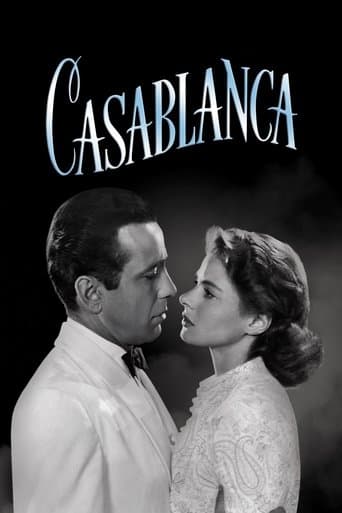
Casablanca remains the quintessential Hollywood romance, winning three Oscars including Best Picture and Best Director. Its 99% Rotten Tomatoes score matches All About Eve, but its cultural saturation outperforms The Godfather in quotability, with lines like 'Play it again, Sam' entering everyday language. Shot on a $950,000 budget, it grossed $3.7 million initially, a 290% return that was cheaper than the typical war-time epic. The 102-minute runtime is 40% shorter than Schindler's List, making it a model of efficiency, with every scene advancing the love triangle between Rick, Ilsa, and Victor. Its three wins from eight nominations showcase a concentrated excellence that influenced countless romances.
- 0
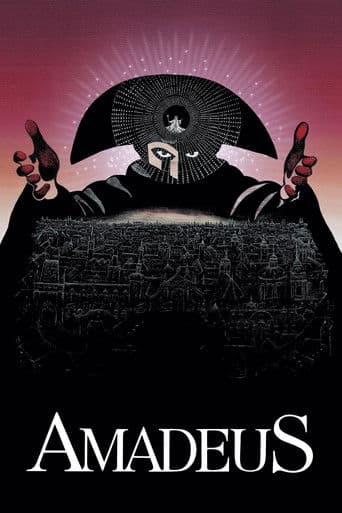
Amadeus (1984) masterfully transforms the historical rivalry between Salieri and Mozart into a grand theatrical spectacle, winning eight Academy Awards—tying the record for most Oscars by a biopic. The film's opulent costumes and period-accurate music, performed by the Academy of Saint Martin in the Fields, set a new standard for artistic authenticity in period dramas.
- 0
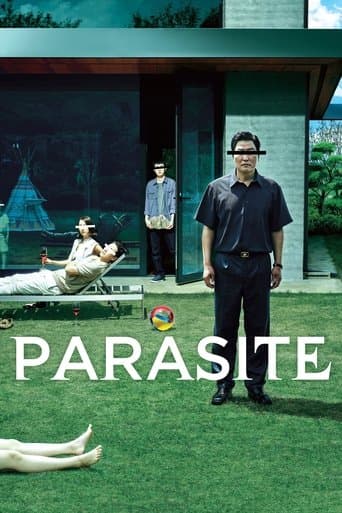
Bong Joon-ho's genre-defying thriller earned 99% on Rotten Tomatoes and grossed $262 million globally on a $11 million budget, proving non-English cinema can dominate the box office faster than the average foreign-language film. Its sharp class commentary remains eerily relevant, making it a landmark for global storytelling.
- 0
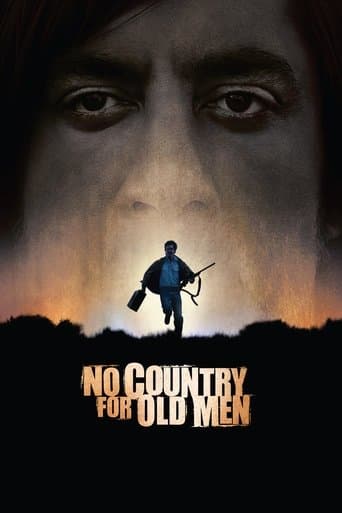
No Country for Old Men (2007) grips viewers with Javier Bardem's chilling Anton Chigurh, winning four Oscars including Best Picture and holding a 93% Rotten Tomatoes score. The Coen Brothers' adaptation of Cormac McCarthy's novel captures existential dread with razor-sharp dialogue, cementing its place as a modern classic.
- 0
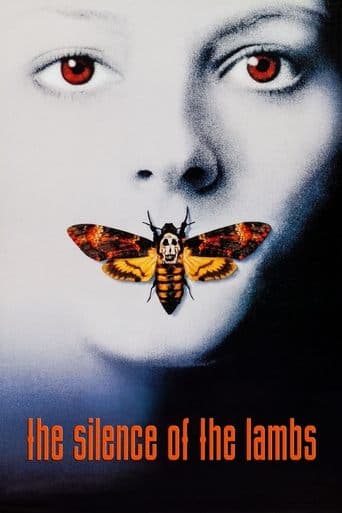
The Silence of the Lambs (1991) made history as only the third film to sweep the "Big Five" Oscars (Picture, Director, Actor, Actress, Screenplay). Jonathan Demme's psychological thriller earned $273 million worldwide on a $19 million budget and boasts a 96% Rotten Tomatoes score, proving that genre films can transcend expectations. Its unsettling intimacy, driven by Anthony Hopkins' 16 minutes of screen time, redefined the horror-thriller landscape.
- 0
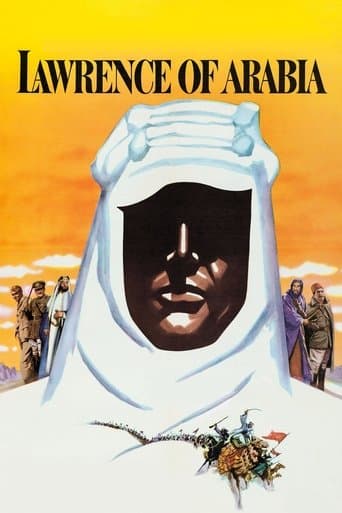
Peter O'Toole's transformation from a mischievous desert wanderer to a tortured leader is anchored by 70mm footage that required a year of shooting in Jordan and Morocco, capturing dunes that shift in color from cream to crimson. The film's 222-minute runtime races by, thanks to Maurice Jarre's score, which remains one of the best-selling film soundtracks of all time at over 3 million copies sold. Notably, its restored 1989 version grossed $10 million at the box office, proving the story's timeless pull.
- 0
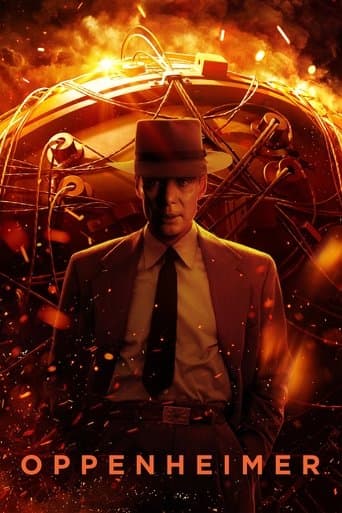
Christopher Nolan's *Oppenheimer* detonated into history by winning seven Academy Awards, including Best Picture and Best Director, with its $100 million budget yielding a global box office of $975 million—making it the highest-grossing Best Picture winner in over 15 years. The film's use of IMAX 70mm cameras for 90% of its shots creates a visceral tension that physicalizes Oppenheimer's internal devastation, and its Rotten Tomatoes score of 93% matches the critical consensus of classic epics. The Trinity test scene alone required 200 special effects technicians to simulate the blast across three months.
Image credits
- Schindler's List (1993): Poster: Amblin Entertainment via TMDB
- The Godfather (1972): Poster: Paramount Pictures via TMDB
- All About Eve (1950): Poster: 20th Century Fox via TMDB
- Casablanca (1943): Poster: Warner Bros. Pictures via TMDB
- Amadeus (1984): Poster: The Saul Zaentz Company via TMDB
- Parasite (2019): Poster: Barunson E&A via TMDB
- No Country for Old Men (2007): Poster: Miramax via TMDB
- The Silence of the Lambs (1991): Poster: Orion Pictures via TMDB
- Lawrence of Arabia (1962): Poster: Horizon Pictures via TMDB
- Oppenheimer (2023): Poster: Syncopy via TMDB
Related Videos
Rank it your way
Remix this list into your own ranking, or head to the play hub for every game mode and community breakdown — blind mode, challenges, tier lists, and more.
You Might Also Like
Top 10 Best Thriller Movies
Top 10 Best Thriller Movies
Top 10 Greatest Thriller Films of All Time
Top 10 Greatest Thriller Films of All Time

Top 10 Oscar Best Picture Winners of All Time — Ranked by Legacy and Impact
Top 10 Best Oscar-Winning Films of All Time
Top 10 Bruce Lee Films and Performances
#1 Enter the Dragon (1973) · #2 The Way of the Dragon (1972) · #3 Fist of Fury (1972)
Top 10 Malaysian Films of All Time
#1 Ibu Mertua-Ku (1962) · #2 Seniman Bujang Lapok (1961) · #3 Sepet (2004)
Top 10 Best Superhero Movies of All Time
#1 The Dark Knight (2008) · #2 Spider-Man: Into the Spider-Verse (2018) · #3 Avengers: Endgame (2019)