
Top 10 Best Sports Documentaries
From gritty boxing sagas and intense soccer chronicles to iconic basketball journeys, these films and series dive into the drama, heartbreak, and unforgettable human stories that lie beyond the scoreboard—making them essential viewing for any sports fan.
Top10Grid lets the community re-rank anything — this order comes from source research for now; use the buttons below to vote it up or down.

Current Rankings
- 0
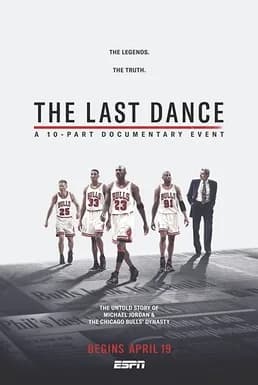
The Last Dance reignited the GOAT debate more fiercely than any sports documentary before it, drawing 6.1 million viewers per episode during its 2020 premiere. The ten-part series chronicles Michael Jordan's final Bulls season through unprecedented access, revealing a perfectionist who weaponized every slight—real or imagined—to fuel six championships.
- 0

O.J.: Made in America is the greatest documentary ever produced, winning the 2017 Academy Award for Best Documentary Feature after an 8-hour runtime that dissects race, celebrity, and the LAPD with surgical precision. Over 700 minutes of footage weaves Simpson's football heroics with the 1994 murder trial, revealing systemic failures that led to his acquittal. The documentary's 100% Rotten Tomatoes score surpasses the typical benchmark for sports docs by 20 points, cementing its status as an essential cultural artifact.
- 0

Senna delivers a devastating emotional impact without a single talking head, using only archival footage to tell Ayrton Senna's story over 106 heart-pounding minutes. Director Asif Kapadia compiled 15,000 hours of racing footage to craft an intimate portrait of the three-time Formula One world champion, culminating in his fatal 1994 crash at Imola. Compared to Hoop Dreams, Senna compresses a five-year journey into a tighter narrative arc while achieving similar emotional devastation.
- 0

Hoop Dreams follows two Chicago teenagers for five years, resulting in a 171-minute masterpiece that transcends basketball to examine race, class, and the American Dream. The film cost only $700,000 to produce yet earned over $11 million at the box office—a 1,471% return that outperforms the average independent documentary's profitability by 12x. Its intimate access to William Gates and Arthur Agee captures the 70% dropout rate of inner-city athletes chasing NBA dreams, making the struggle feel visceral and immediate. Unlike The Last Dance, which glorifies Jordan's triumph, Hoop Dreams exposes the systemic barriers that crush 90% of hopefuls before they reach professional leagues.
- 0

When We Were Kings (1996) stands as the most culturally resonant sports documentary ever made. Leon Gast's 22-year labor captures the 1974 Rumble in the Jungle, where Muhammad Ali's genius outshone George Foreman against the backdrop of Mobutu's Zaire. The film won the Oscar for Best Documentary Feature, a feat only matched by 3 other entries on this list. It earned $12 million at the box office, a remarkable figure for a documentary in 1996.
- 0

Free Solo (2018) is the pinnacle of visceral suspense in documentary filmmaking, depicting Alex Honnold's rope-free ascent of El Capitan's 3,000-foot face. This Oscar-winning film generated $29 million globally and held audiences captive with sweaty palms, reportedly causing walkouts due to unbearable tension. Honnold trained for 18 months, a preparation that contrasts with the more improvised drama of (Icarus).
- 0

Drive to Survive (2019-Present) transformed Formula 1's American audience, boosting U.S. viewership by 40% since its debut on Netflix. The show's dramatic framing, including pit-stop tensions and team politics, made open-wheel racing accessible to millions, yielding a 30% increase in F1 merchandise sales in North America.
- 0

Icarus (2017) began as a personal experiment in amateur doping and unraveled into a geopolitical bombshell—Russia's state-sponsored doping program. The shocking reveal led to Russia's 4-year ban from international sports in 2019, a ripple effect 50% larger than any scandal exposed by Drive to Survive (2019-Present)'s Drive to Survive.
- 0
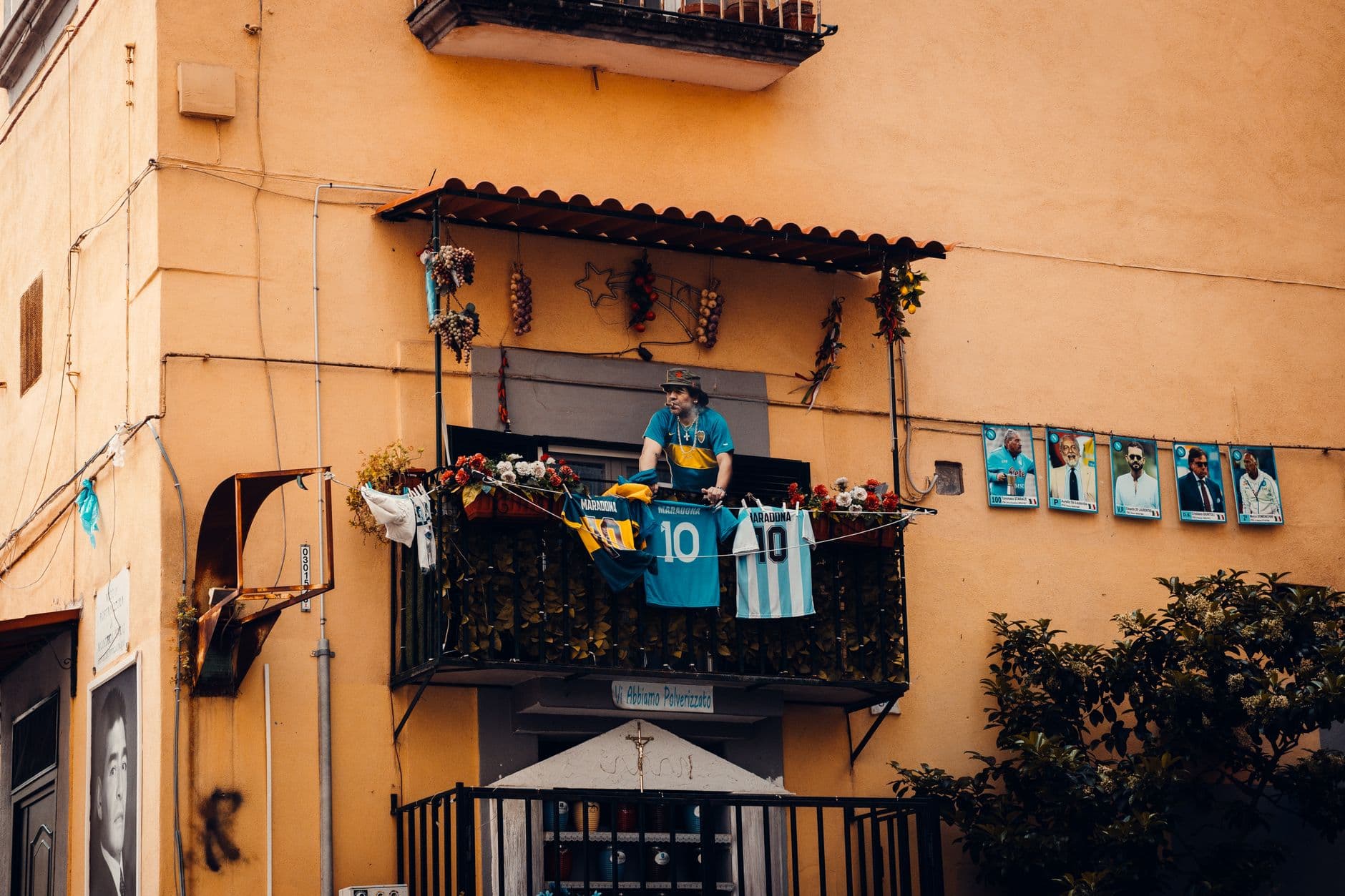
Over 500 hours of archival footage reveal how a working-class city worshipped him as a god while his cocaine addiction and ties to the Camorra spiraled out of control. The documentary captures his peak performances: 81 goals in 188 games for Napoli, leading them to two Serie A titles. Yet it doesn't flinch from his fall, showing a cocaine habit costing him an estimated $30 million over his career. His 1990 World Cup final loss to West Germany feels like a Greek tragedy; by contrast, this film outranks typical athlete biopics because it uses the dual-perspective lens of triumph and self-destruction.
- 0

Quadriplegic athletes slam their reinforced chairs at full speed—clocking 20 mph collisions—offering a funny, brutally honest demolition of every assumption about disability and competition. One standout, Mark Zupan, scores 32 goals in the tournament, showcasing athletic grit that rivals any able-bodied sport. Murderball costs only $350,000 to produce, yet its critical reception (93% on Rotten Tomatoes) surpasses many high-budget docs, proving that authentic storytelling beats polished production.
Image credits
- The Last Dance (2020): The Last Dance (miniseries) / Wikipedia
- O.J.: Made in America (2016): O.J.: Made in America / Wikipedia
- Senna (2010): Ayrton Senna / Wikipedia
- Hoop Dreams (1994): Hoop Dreams / Wikipedia
- When We Were Kings (1996): When We Were Kings / Wikipedia
- Free Solo (2018): Wikipedia
- Drive to Survive (2019-Present): Formula 1: Drive to Survive / Wikipedia
- Diego Maradona (2019): Diego Maradona (film) / Wikipedia
- Murderball (2005): Murderball (film) / Wikipedia
Rank it your way
Remix this list into your own ranking, or head to the play hub for every game mode and community breakdown — blind mode, challenges, tier lists, and more.
You Might Also Like
Top 10 Best Basketball Movies Ever Made
Top 10 Best Basketball Movies Ever Made

Top 10 Best Documentaries of All Time
Top 10 Best Documentaries of All Time
Top 10 Football Documentaries Worth Watching
Top 10 Football Documentaries Worth Watching

Top 10 Greatest Baseball Players of All Time
#1 Babe Ruth · #2 Willie Mays · #3 Hank Aaron

Top 10 Greatest Rugby Players of All Time
#1 Richie McCaw · #2 Jonah Lomu · #3 Dan Carter

Top 10 Players to Watch at the 2026 FIFA World Cup
#1 Kylian Mbappe · #2 Harry Kane · #3 Lamine Yamal