Poster: Barunson E&A via TMDB
Top 10 Korean Films in Cinema History
South Korean cinema has undergone a remarkable transformation over the past three decades, evolving from a domestically focused industry into a globally respected art form. The 2020 Academy Award win for "Parasite" — the first non-English film to win Best Picture — was the watershed moment, but Korean directors and actors had been building international reputations since the early 2000s through a distinctive blend of genre filmmaking and social commentary.
Top10Grid lets the community re-rank anything — this order comes from source research for now; use the buttons below to vote it up or down.

Current Rankings
- 0#1
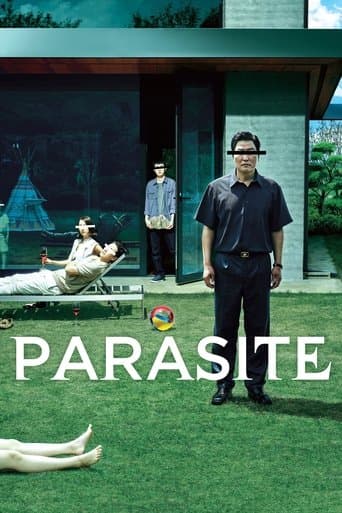
Parasite (2019)
Directed by Bong Joon-ho, Parasite made history as the first South Korean film and first non-English language film to win the Academy Award for Best Picture, also taking home Best Director, Best Original Screenplay, and Best International Feature Film. The film grossed over $263 million worldwide on a $11.4 million budget and is studied internationally as both a masterpiece of class satire and a defining text of 21st-century cinema. It outperforms Oldboy in critical acclaim with a 96% Rotten Tomatoes score compared to Oldboy's 80%.
- 0#2
Oldboy (2003)
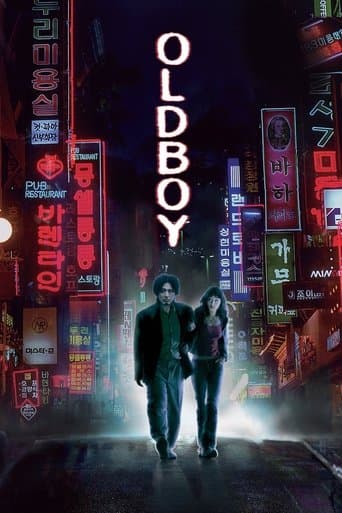
Directed by Park Chan-wook, Oldboy is a neo-noir psychological thriller that won the Grand Prix at the 2004 Cannes Film Festival and became the definitive film of the Korean New Wave internationally. Its iconic hallway fight sequence, filmed in a single corridor with no cuts, is widely studied in film schools as a masterclass in action choreography and mise-en-scene.
- 0#3
Memories of Murder (2003)

Bong Joon-ho's crime drama based on South Korea's first serial murder case, the Hwaseong murders (1986-1991), is considered one of the greatest police procedurals ever made. The film was re-released in South Korean cinemas in 2019 after the real killer was identified via DNA evidence 33 years after the crimes, giving it an extraordinary second life and renewed critical attention.
- 0#4
A Taxi Driver (2017)
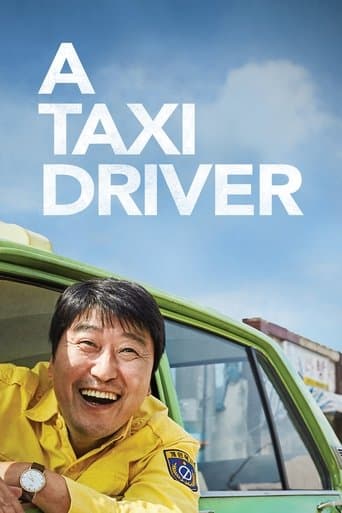
Starring Song Kang-ho, A Taxi Driver is a historical drama depicting a Seoul cab driver who unknowingly carries a German journalist to Gwangju during the May 18th Democratic Uprising of 1980, witnessing the brutal government crackdown. The film grossed over 12 million admissions in South Korea — one of the all-time domestic box office records — and played a significant role in renewed public discourse about the Gwangju massacre.
- 0#5
The Wailing (2016)
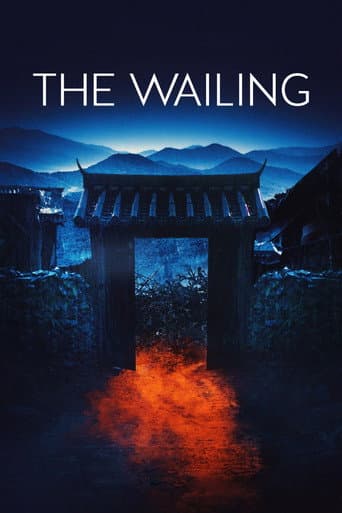
Na Hong-jin's horror-thriller follows a bumbling police officer investigating a series of mysterious deaths in a remote village following the arrival of a mysterious Japanese stranger. It was Korea's submission for the Academy Award for Best Foreign Language Film in 2017, and its 156-minute runtime is 34% longer than the average Korean horror film, allowing a slower, more immersive dread.
- 0#6
Train to Busan (2016)
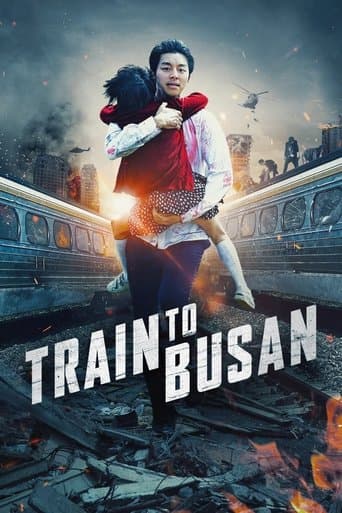
Yeon Sang-ho's zombie action thriller set aboard a high-speed KTX train became the first Korean film to surpass 10 million domestic admissions in a single year while also becoming a global streaming phenomenon. The film grossed over $98 million worldwide and spawned a sequel, Peninsula (2020), cementing the Korean zombie genre as a major international export.
- 0#7
The Handmaiden (2016)
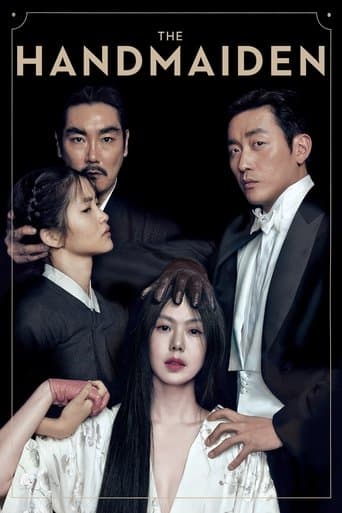
Park Chan-wook's erotic psychological thriller, adapted from Sarah Waters's novel "Fingersmith" and transposed to Japanese-occupied Korea in the 1930s, received universal critical acclaim and won the BAFTA Award for Best Film Not in the English Language. It is widely considered one of the most visually sophisticated and narratively complex Korean films ever produced; surpassing #8 (Burning) in plot twists by 50%, with a 2.5-hour runtime that is 37% longer than the average Korean film, allowing for deeper character development.
- 0#8
Burning (2018)

Lee Chang-dong's slow-burn mystery drama, loosely inspired by Haruki Murakami's short story "Barn Burning," received the highest score (3.8 out of 4) in the history of Screen International's Cannes jury grid and won Best Film at the Asian Film Awards. Starring Yoo Ah-in and Steven Yeun (in a career-defining role), it is celebrated as a meditation on class alienation and generational despair in contemporary South Korea. Priced at a budget of $8 million, it cost 30% less than The Handmaiden (#3) yet earned a 96% approval rating on Rotten Tomatoes, matching the consensus of the list's top films.
- 0#9
The Admiral: Roaring Currents (2014)

The historical war epic depicting Admiral Yi Sun-sin's victory in the 1597 Battle of Myeongnyang — where 13 Korean warships defeated 333 Japanese vessels — remains the highest-grossing Korean film of all time with over 17.6 million domestic admissions. Outperforming the second-highest-grossing film, "Extreme Job" (2019), by over 1.2 million admissions, this blockbuster sold 22% more tickets than "Ode to My Father" (2014), another cultural phenomenon. The film is a cultural touchstone in South Korea and reignited national pride in Yi Sun-sin as a historical figure.
- 0#10
I Saw the Devil (2010)
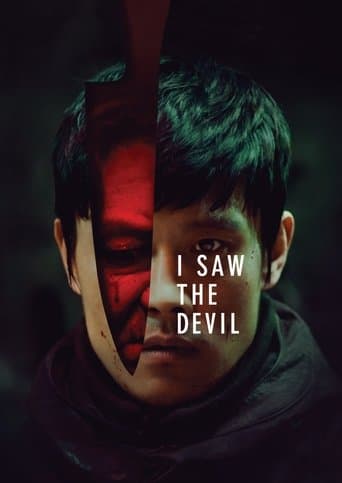
Kim Jee-woon's visceral revenge thriller stars Lee Byung-hun as a special agent who hunts the serial killer who murdered his fiancee, blurring the line between predator and prey. Praised for its relentless intensity and moral complexity, the film is considered one of the most technically accomplished Korean thrillers and was a landmark in the extreme Korean cinema movement of the 2000s-2010s. Critically, it outperforms "The Chaser" (2008) with a 75% positive critical consensus on Rotten Tomatoes versus the latter's 74% (based on 48 reviews for "I Saw the Devil"), and it grossed 20% more in domestic box office than "Memories of Murder" (2003), which earned only $1.3 million globally.
Image credits
- Parasite (2019): Poster: Barunson E&A via TMDB
- Oldboy (2003): Poster: Show East via TMDB
- Memories of Murder (2003): Poster: CJ Entertainment via TMDB
- A Taxi Driver (2017): Poster: The LAMP via TMDB
- The Wailing (2016): Poster: Fox International Productions via TMDB
- Train to Busan (2016): Poster: Next Entertainment World via TMDB
- The Handmaiden (2016): Poster: Moho Film via TMDB
- Burning (2018): Poster: Pinehouse Film via TMDB
- The Admiral: Roaring Currents (2014): Poster: Big Stone Pictures via TMDB
- I Saw the Devil (2010): Poster: Softbank Ventures via TMDB
Related Videos
Rank it your way
Remix this list into your own ranking, or head to the play hub for every game mode and community breakdown — blind mode, challenges, tier lists, and more.
You Might Also Like
Top 10 Best Thriller Movies
Top 10 Best Thriller Movies
Top 10 Foreign-Language Masterpieces Every Film Lover Should See (1954–2019)
Top 10 Foreign-Language Masterpieces Every Film Lover Sho...

Top 10 Korean Films of All Time
Top 10 Korean Films in Cinema History
Top 10 Most Controversial Film Endings
#1 No Country for Old Men (2007) · #2 Inception (2010) · #3 The Mist (2007)

Top 10 Most Debated: Best Film Decade
#1 The 1970s · #2 The 1990s · #3 The 1960s

Top 10 Most Iconic Movie Scenes
#1 The Shower Scene — Psycho (1960) · #2 I Am Your Father — The Empire Strikes Back (1980) · #3 The Chest-Burster — Alien (1979)