
Wikipedia
Some of the greatest films ever made barely registered at the box office, got buried by poor marketing, or arrived before audiences were ready for them. From Denis Villeneuve's back-to-back masterworks to micro-budget mind-benders that outperformed hundred-million-dollar blockbusters on pure craft, these ten films deserved far bigger audiences. Ranked by the gap between their genuine quality โ as measured by critical score, awards recognition, and lasting cultural influence โ and the commercial or public attention they actually received.
Community rankings for this Film
Curated by our film editors. Critical reception and community vote both shape the order โ updated as opinion shifts.
Create a free account or sign in to join the discussion.
Sign in to join the conversation

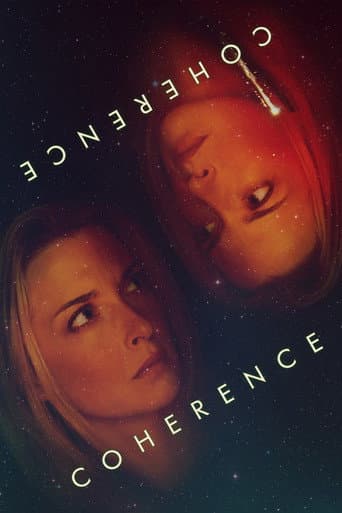
Shot over five nights in a single house for just $50,000, Coherence achieved what most sci-fi blockbusters fail to do with hundreds of millions of dollars: it made quantum physics genuinely terrifying. The film holds an 88% on Rotten Tomatoes and has become a staple of film school syllabuses, yet it received almost no theatrical release and was barely seen in cinemas. Director James Ward Byrkit shot with no script, feeding actors new instructions on index cards each night โ the resulting tension is completely real, and the film's ending has been debated obsessively online ever since.

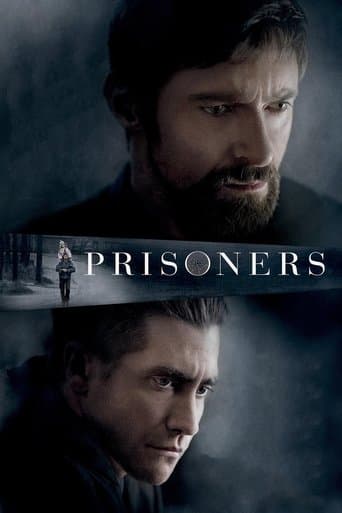
Denis Villeneuve's English-language debut is one of the finest thrillers of the 21st century, featuring career-best performances from Hugh Jackman and Jake Gyllenhaal and Roger Deakins' Oscar-nominated cinematography. It holds an 81% on Rotten Tomatoes from critics, 96% from audiences, yet earned only $61 million on a $46 million budget โ catastrophically underperforming for a film of its calibre. The film's brutal moral interrogation of what a father will do to save his child, and its refusal to offer easy redemption, made audiences uncomfortable in exactly the way the best cinema should.

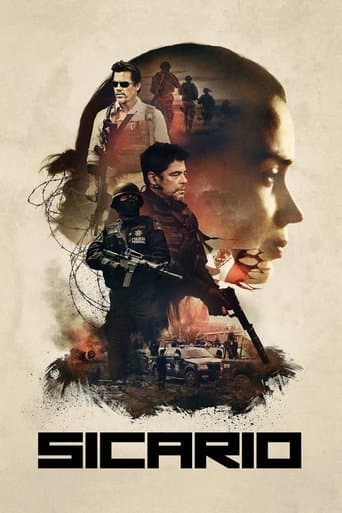
Emily Blunt and Benicio del Toro deliver two of the decade's most compelling screen performances in Denis Villeneuve's razor-sharp drug war thriller, which earned a 93% on Rotten Tomatoes and three Oscar nominations including Best Cinematography for Roger Deakins. Despite its extraordinary quality, Sicario grossed only $46 million domestically โ a fraction of the cultural footprint it deserved. The film's refusal to present any character as purely heroic, combined with its brutal depiction of the moral vacuum at the US-Mexico border, made it too ambiguous for mainstream marketing and too uncompromising to break through to wider audiences.

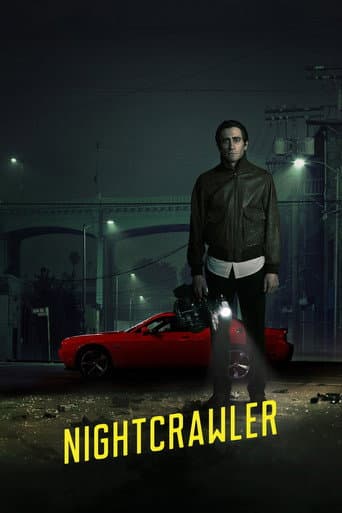
Jake Gyllenhaal lost 30 pounds and gave the performance of his career as Lou Bloom, a sociopathic freelance crime journalist who embodies every dark impulse of modern media culture. Nightcrawler earned a 95% on Rotten Tomatoes and won the BAFTA for Best Original Screenplay, yet grossed only $32 million globally โ a figure that barely registers for a film of this ambition. Dan Gilroy's debut feature is a precise diagnosis of the attention economy a decade before that phrase entered common usage, and Gyllenhaal's performance belongs alongside Nicholson in The Shining and Ledger's Joker as one of cinema's great controlled descents into monstrousness.

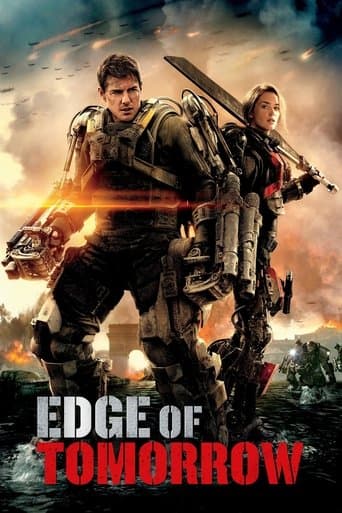
One of the most inventive blockbusters of the 2010s, Edge of Tomorrow uses its Groundhog Day time-loop structure to create genuinely escalating action sequences that most films cannot achieve even once. It earned 90% on Rotten Tomatoes and was praised as the smartest action film in years โ but bombed catastrophically at the US box office, earning just $100 million domestically against a $178 million budget. Tom Cruise's subverted heroism (his character dies repeatedly and ignominiously) and Emily Blunt's steel-willed female lead were simply too unconventional for the marketing campaign to sell to a summer audience expecting a straightforward action film.

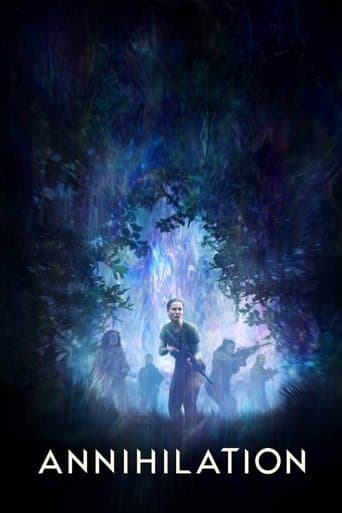
Alex Garland's follow-up to Ex Machina is arguably the most ambitious science fiction film of its decade โ a hallucinatory, Tarkovsky-influenced journey into an environmental anomaly where biology and identity dissolve. It earned 88% on Rotten Tomatoes and near-universal critical praise, but Paramount pulled it from international theatrical release and sent it straight to Netflix internationally after a poor test screening, robbing it of the global audience it deserved. The film's refusal to explain its mysteries and its willingness to prioritise awe over comprehension made it a difficult sell, but these are precisely the qualities that make it unforgettable.

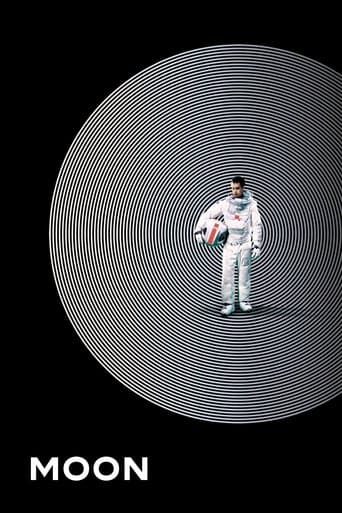
Duncan Jones made his feature directorial debut with a $5 million budget and a single actor โ Sam Rockwell โ and produced one of the most emotionally devastating science fiction films ever made. Moon earned 89% on Rotten Tomatoes, won the BAFTA for Outstanding British Film, and earned Rockwell a BAFTA nomination, yet grossed only $10 million globally. The film's meditation on memory, identity, and corporate exploitation is rendered with a purity of vision rarely seen in any film at any budget level, and Rockwell's dual performance โ carrying the film entirely alone โ is one of the most technically demanding and quietly devastating in modern cinema.

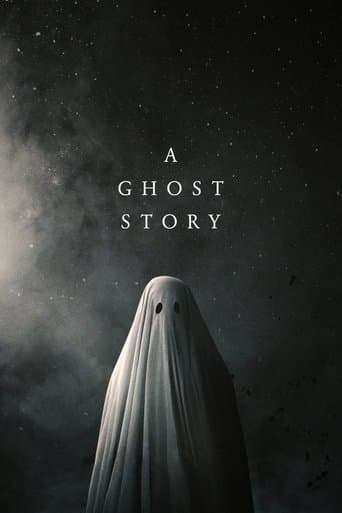
David Lowery shot A Ghost Story in just 19 days for approximately $100,000 โ and produced a meditation on grief, time, and cosmic insignificance that leaves most big-budget films looking shallow by comparison. Casey Affleck spends most of the film under a white sheet, and Rooney Mara eats an entire pie in a single unbroken four-minute take; both choices are completely, devastatingly correct. The film earned 92% on Rotten Tomatoes but was seen by almost nobody โ a film that requires genuine patience from its audience in an era of algorithmic entertainment, it nonetheless stands as one of the most genuinely haunting films of the decade.

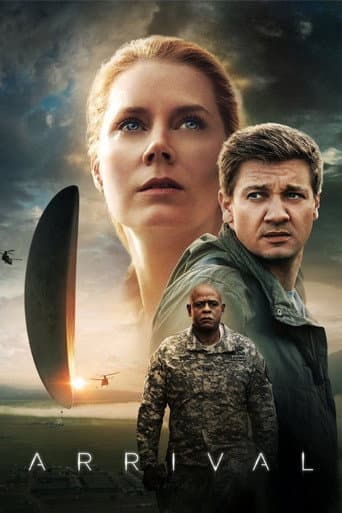
Denis Villeneuve's third appearance on this list underlines how consistently his work has been undersold relative to its quality. Arrival earned 94% on Rotten Tomatoes, eight Academy Award nominations including Best Picture and Best Director, and grossed $100 million on a $47 million budget โ respectable numbers that still represent a massive underperformance for a film of this calibre. Amy Adams gives a performance of immense intelligence and emotional precision, and Eric Heisserer's screenplay โ which restructures time itself as its central reveal โ is among the most brilliantly constructed in science fiction cinema. The film deserved to be a cultural event on the scale of Interstellar.

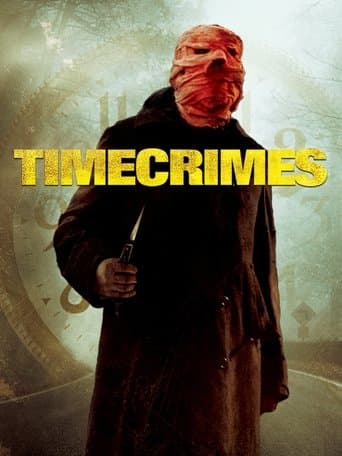
Spanish writer-director Nacho Vigalondo made one of the tightest, most elegantly constructed time-travel films ever made for almost nothing, earning 91% on Rotten Tomatoes and influencing a wave of micro-budget sci-fi films that followed. The film is a masterclass in closed-loop narrative logic: every event connects perfectly, with no loose ends and no wasted scenes, a structural purity that big-budget time-travel films with ten times the resources rarely achieve. Despite its influence โ directors including Rian Johnson have cited it โ Timecrimes remains almost entirely unknown outside of dedicated film communities, making it perhaps the single most overlooked genre film of its decade.
The most-voted lists across every category โ curated weekly. Join the early readers.
No spam. One email per week. Unsubscribe anytime.
Explore more Film rankings on Top10Grid
Cast your vote above to unlock the real distribution
Tap the arrows on any item to vote
Because you're viewing Film

Top 10 Greatest Movies of All Time
130 views ยท 0 votes

Netflix Top 10 Movies โ Global โ Apr 6, 2026
100 views ยท 1 votes

Top 10 Most Awarded Film Actors of All Time
93 views ยท 0 votes

Top 10 World Cup Documentaries and Films
90 views ยท 0 votes

Top 10 Best Sci-Fi Films of All Time
86 views ยท 0 votes

Top 10 Most Anticipated Movies of 2026
80 views ยท 0 votes

Shot over five nights in a single house for just $50,000, Coherence achieved what most sci-fi blockbusters fail to do with hundreds of millions of dollars: it made quantum physics genuinely terrifying. The film holds an 88% on Rotten Tomatoes and has become a staple of film school syllabuses, yet it received almost no theatrical release and was barely seen in cinemas. Director James Ward Byrkit shot with no script, feeding actors new instructions on index cards each night โ the resulting tension is completely real, and the film's ending has been debated obsessively online ever since.

Denis Villeneuve's English-language debut is one of the finest thrillers of the 21st century, featuring career-best performances from Hugh Jackman and Jake Gyllenhaal and Roger Deakins' Oscar-nominated cinematography. It holds an 81% on Rotten Tomatoes from critics, 96% from audiences, yet earned only $61 million on a $46 million budget โ catastrophically underperforming for a film of its calibre. The film's brutal moral interrogation of what a father will do to save his child, and its refusal to offer easy redemption, made audiences uncomfortable in exactly the way the best cinema should.

Emily Blunt and Benicio del Toro deliver two of the decade's most compelling screen performances in Denis Villeneuve's razor-sharp drug war thriller, which earned a 93% on Rotten Tomatoes and three Oscar nominations including Best Cinematography for Roger Deakins. Despite its extraordinary quality, Sicario grossed only $46 million domestically โ a fraction of the cultural footprint it deserved. The film's refusal to present any character as purely heroic, combined with its brutal depiction of the moral vacuum at the US-Mexico border, made it too ambiguous for mainstream marketing and too uncompromising to break through to wider audiences.

Jake Gyllenhaal lost 30 pounds and gave the performance of his career as Lou Bloom, a sociopathic freelance crime journalist who embodies every dark impulse of modern media culture. Nightcrawler earned a 95% on Rotten Tomatoes and won the BAFTA for Best Original Screenplay, yet grossed only $32 million globally โ a figure that barely registers for a film of this ambition. Dan Gilroy's debut feature is a precise diagnosis of the attention economy a decade before that phrase entered common usage, and Gyllenhaal's performance belongs alongside Nicholson in The Shining and Ledger's Joker as one of cinema's great controlled descents into monstrousness.

One of the most inventive blockbusters of the 2010s, Edge of Tomorrow uses its Groundhog Day time-loop structure to create genuinely escalating action sequences that most films cannot achieve even once. It earned 90% on Rotten Tomatoes and was praised as the smartest action film in years โ but bombed catastrophically at the US box office, earning just $100 million domestically against a $178 million budget. Tom Cruise's subverted heroism (his character dies repeatedly and ignominiously) and Emily Blunt's steel-willed female lead were simply too unconventional for the marketing campaign to sell to a summer audience expecting a straightforward action film.

Alex Garland's follow-up to Ex Machina is arguably the most ambitious science fiction film of its decade โ a hallucinatory, Tarkovsky-influenced journey into an environmental anomaly where biology and identity dissolve. It earned 88% on Rotten Tomatoes and near-universal critical praise, but Paramount pulled it from international theatrical release and sent it straight to Netflix internationally after a poor test screening, robbing it of the global audience it deserved. The film's refusal to explain its mysteries and its willingness to prioritise awe over comprehension made it a difficult sell, but these are precisely the qualities that make it unforgettable.

Duncan Jones made his feature directorial debut with a $5 million budget and a single actor โ Sam Rockwell โ and produced one of the most emotionally devastating science fiction films ever made. Moon earned 89% on Rotten Tomatoes, won the BAFTA for Outstanding British Film, and earned Rockwell a BAFTA nomination, yet grossed only $10 million globally. The film's meditation on memory, identity, and corporate exploitation is rendered with a purity of vision rarely seen in any film at any budget level, and Rockwell's dual performance โ carrying the film entirely alone โ is one of the most technically demanding and quietly devastating in modern cinema.

David Lowery shot A Ghost Story in just 19 days for approximately $100,000 โ and produced a meditation on grief, time, and cosmic insignificance that leaves most big-budget films looking shallow by comparison. Casey Affleck spends most of the film under a white sheet, and Rooney Mara eats an entire pie in a single unbroken four-minute take; both choices are completely, devastatingly correct. The film earned 92% on Rotten Tomatoes but was seen by almost nobody โ a film that requires genuine patience from its audience in an era of algorithmic entertainment, it nonetheless stands as one of the most genuinely haunting films of the decade.

Denis Villeneuve's third appearance on this list underlines how consistently his work has been undersold relative to its quality. Arrival earned 94% on Rotten Tomatoes, eight Academy Award nominations including Best Picture and Best Director, and grossed $100 million on a $47 million budget โ respectable numbers that still represent a massive underperformance for a film of this calibre. Amy Adams gives a performance of immense intelligence and emotional precision, and Eric Heisserer's screenplay โ which restructures time itself as its central reveal โ is among the most brilliantly constructed in science fiction cinema. The film deserved to be a cultural event on the scale of Interstellar.

Spanish writer-director Nacho Vigalondo made one of the tightest, most elegantly constructed time-travel films ever made for almost nothing, earning 91% on Rotten Tomatoes and influencing a wave of micro-budget sci-fi films that followed. The film is a masterclass in closed-loop narrative logic: every event connects perfectly, with no loose ends and no wasted scenes, a structural purity that big-budget time-travel films with ten times the resources rarely achieve. Despite its influence โ directors including Rian Johnson have cited it โ Timecrimes remains almost entirely unknown outside of dedicated film communities, making it perhaps the single most overlooked genre film of its decade.
Top 10 Most Iconic Squid Game Characters
63 views ยท @admin

Top 10 Greatest Documentaries of All Time
10 items

Top 10 Greatest Thriller Films of All Time
10 items

Top 10 Best Foreign Language Films
10 items

Top 10 Most Controversial Film Endings
10 items

Top 10 Worst CGI in Movies
10 items

Top 10 Most Overrated Directors
10 items
If you liked this, you might love these