Wikimedia Commons
Horror cinema has terrified audiences since the silent era, evolving from gothic monster movies to psychological masterworks and modern prestige horror. These 10 films redefined fear on screen, selected for their cultural impact, critical legacy, and enduring ability to disturb.
Community rankings for this Film
Curated by our film editors. Critical reception and community vote both shape the order — updated as opinion shifts.
Create a free account or sign in to join the discussion.
Sign in to join the conversation

William Friedkin's adaptation of William Peter Blatty's novel earned $441 million worldwide on a $12 million budget, becoming the first horror film nominated for the Academy Award for Best Picture. Its depiction of 12-year-old Regan's demonic possession remains among cinema's most disturbing sequences five decades later.
Alfred Hitchcock shocked audiences by killing his protagonist in the first act, inventing the modern slasher genre. Made for $800,000, Psycho grossed over $50 million in its original run and introduced Bernard Herrmann's iconic shrieking strings score, which remains the most recognizable horror soundtrack in cinema history.

Stanley Kubrick's adaptation of Stephen King's novel transformed Jack Nicholson into one of cinema's most iconic villains. Filmed at Timberline Lodge, Oregon and Elstree Studios with legendary attention to detail, the film's Steadicam corridors, hedge maze, and "All work and no play" typewriter scene have embedded themselves permanently in popular culture.

John Carpenter made this slasher masterpiece for just $300,000 and it grossed $47 million worldwide, launching one of horror cinema's most enduring franchises. The mask worn by Michael Myers was a $1.98 Captain Kirk mask spray-painted white — a budget solution that became one of cinema's most iconic villain visages.

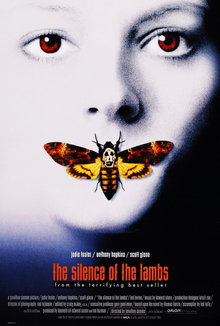
Jonathan Demme's thriller became only the third film in history to sweep the five major Academy Awards — Picture, Director, Actor, Actress, and Screenplay. Anthony Hopkins's 16 minutes of screen time as Hannibal Lecter earned on a $19 million budget against $273 million worldwide gross.

Roman Polanski adapted Ira Levin's novel into a slow-burn masterpiece of paranoia and bodily horror, earning Ruth Gordon an Academy Award for Best Supporting Actress. Shot on location at the Dakota building in New York City, it explores themes of gaslighting and reproductive autonomy that feel more resonant with each passing decade.

Jordan Peele's debut feature earned him the Academy Award for Best Original Screenplay and grossed $255 million worldwide against a $4.5 million budget. The film uses horror conventions to dissect liberal racism in America, establishing Peele as the defining voice of prestige horror for a new generation.

Ari Aster's debut film with A24 is widely considered the scariest movie of the 21st century, anchored by Toni Collette's performance controversially overlooked by the Academy Awards. It uses grief and family trauma as the conduit for supernatural horror, making dread feel personal and inescapable.

Ridley Scott's sci-fi horror hybrid introduced the Xenomorph and Sigourney Weaver as Ellen Ripley — one of cinema's first true action heroines. Made for $11 million and grossing $203 million worldwide, the film established H.R. Giger's biomechanical design aesthetic and launched a franchise spanning six sequels and two prequels.

Tobe Hooper's landmark film grossed over $30 million against an $83,000 budget, making it one of the most profitable independent films ever made. Shot in sweltering Texas heat in 1973 with a largely inexperienced cast, its documentary-style grit and Leatherface remain foundational to horror iconography.
The most-voted lists across every category — curated weekly. Join the early readers.
No spam. One email per week. Unsubscribe anytime.
Explore more Film rankings on Top10Grid
Cast your vote above to unlock the real distribution
Tap the arrows on any item to vote

Top 10 Greatest War Films of All Time
180 views · @admin

Top 10 Most Anticipated Movies of 2026
80 views · @admin

Top 10 Robert Duvall Roles
69 views · @admin
Top 10 Most Iconic Squid Game Characters
63 views · @admin

Top 10 Trending TikTok Videos — March 2026
55 views · @admin

Top 10 Best Movies of 2025
54 views · @admin
Because you're viewing Film

Top 10 Greatest Movies of All Time
131 views · 0 votes

Netflix Top 10 Movies — Global — Apr 6, 2026
100 views · 1 votes

Top 10 Most Awarded Film Actors of All Time
93 views · 0 votes

Top 10 World Cup Documentaries and Films
91 views · 0 votes

Top 10 Best Sci-Fi Films of All Time
86 views · 0 votes

Top 10 Most Anticipated Movies of 2026
80 views · 0 votes

William Friedkin's adaptation of William Peter Blatty's novel earned $441 million worldwide on a $12 million budget, becoming the first horror film nominated for the Academy Award for Best Picture. Its depiction of 12-year-old Regan's demonic possession remains among cinema's most disturbing sequences five decades later.
Alfred Hitchcock shocked audiences by killing his protagonist in the first act, inventing the modern slasher genre. Made for $800,000, Psycho grossed over $50 million in its original run and introduced Bernard Herrmann's iconic shrieking strings score, which remains the most recognizable horror soundtrack in cinema history.

Stanley Kubrick's adaptation of Stephen King's novel transformed Jack Nicholson into one of cinema's most iconic villains. Filmed at Timberline Lodge, Oregon and Elstree Studios with legendary attention to detail, the film's Steadicam corridors, hedge maze, and "All work and no play" typewriter scene have embedded themselves permanently in popular culture.

John Carpenter made this slasher masterpiece for just $300,000 and it grossed $47 million worldwide, launching one of horror cinema's most enduring franchises. The mask worn by Michael Myers was a $1.98 Captain Kirk mask spray-painted white — a budget solution that became one of cinema's most iconic villain visages.

Jonathan Demme's thriller became only the third film in history to sweep the five major Academy Awards — Picture, Director, Actor, Actress, and Screenplay. Anthony Hopkins's 16 minutes of screen time as Hannibal Lecter earned on a $19 million budget against $273 million worldwide gross.

Roman Polanski adapted Ira Levin's novel into a slow-burn masterpiece of paranoia and bodily horror, earning Ruth Gordon an Academy Award for Best Supporting Actress. Shot on location at the Dakota building in New York City, it explores themes of gaslighting and reproductive autonomy that feel more resonant with each passing decade.

Jordan Peele's debut feature earned him the Academy Award for Best Original Screenplay and grossed $255 million worldwide against a $4.5 million budget. The film uses horror conventions to dissect liberal racism in America, establishing Peele as the defining voice of prestige horror for a new generation.

Ari Aster's debut film with A24 is widely considered the scariest movie of the 21st century, anchored by Toni Collette's performance controversially overlooked by the Academy Awards. It uses grief and family trauma as the conduit for supernatural horror, making dread feel personal and inescapable.

Ridley Scott's sci-fi horror hybrid introduced the Xenomorph and Sigourney Weaver as Ellen Ripley — one of cinema's first true action heroines. Made for $11 million and grossing $203 million worldwide, the film established H.R. Giger's biomechanical design aesthetic and launched a franchise spanning six sequels and two prequels.

Tobe Hooper's landmark film grossed over $30 million against an $83,000 budget, making it one of the most profitable independent films ever made. Shot in sweltering Texas heat in 1973 with a largely inexperienced cast, its documentary-style grit and Leatherface remain foundational to horror iconography.