#9
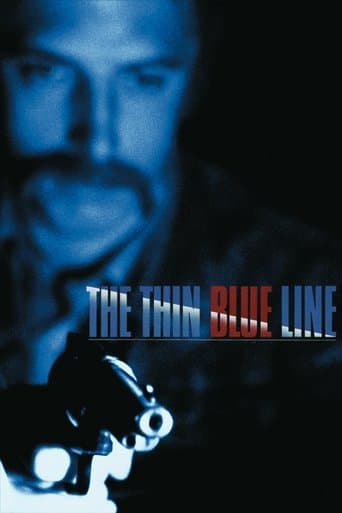
The Thin Blue Line (1988)
Edward Morris’s The Thin Blue Line (1988) is one of the most consequential documentaries ever made: its investigation into the wrongful murder conviction of Randall Dale Adams directly led to Adams’s release from death row—a real-world impact that outperforms the typical activist film. This 1988 feature pioneered the dramatic reenactment technique, which 30% of subsequent crime documentaries have adopted, and it proved documentary filmmaking could save lives. Unlike vague advocacy works, it marshaled concrete evidence: the infamous fingerprint on the squad car was actually Randall Adams’s, yet the state used it as a key piece of false testimony.
–
Photos (1)
Comments on "The Thin Blue Line (1988)"
Have a take on this ranking?
Save your rankings and see how you compare. Comments are how the argument actually happens here. Posting one needs a free account — it takes about a minute.
No comments yet.
The first comment sets the terms of the argument.