
Wholesale shopping / Unsplash
Top 10 Best Wholesale & Bulk Shopping Clubs
Shopping at membership warehouse clubs like Costco, Sam's Club, and BJ's Wholesale Club can deliver substantial savings on groceries, household essentials, electronics, and office supplies—but only if you shop strategically. Our guide ranks the top 10 best wholesale clubs for 2026, comparing membership fees, bulk-buying sweet spots by category, and hidden benefits that justify enrollment. Discover which clubs offer the best value for your household, which product categories deliver genuine savings, and how to maximize your membership before annual fees eat into your profits.
Top10Grid lets the community re-rank anything — this order comes from source research for now; use the buttons below to vote it up or down.

Current Rankings
- 0#1

Its Kirkland Signature private label is rated as good or better than national brands by Consumer Reports in 90% of tested categories. The $4.99 rotisserie chicken, held at that price since 2009, and the $1.50 hot dog, unchanged since 1985, are iconic loss leaders that drive member loyalty and foot traffic.
- 0
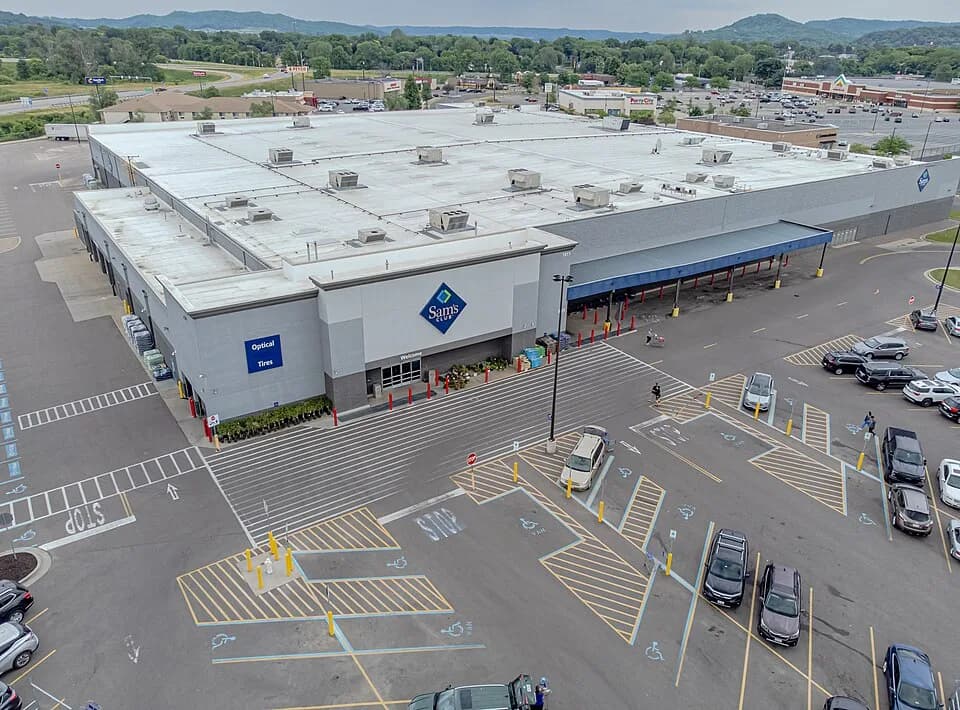
Sam's Club offers genuine competition to Costco at a 23% lower membership fee ($50 vs. $65). Its Scan & Go app is the most frictionless bulk shopping experience: members can scan items with their phone and skip checkout entirely, saving an average of 7 minutes per visit. The Member's Mark private label wins 85% of taste tests against premium branded alternatives, making it a bargain on quality too.
- 0
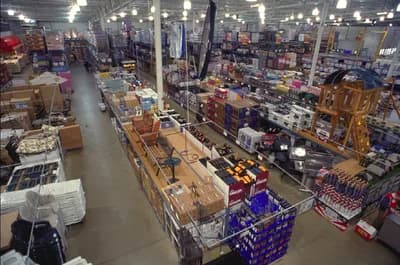
BJ's Wholesale Club accepts manufacturer coupons, a feature neither Costco nor Sam's Club offers, enabling double savings that can reduce grocery bills by an average of 15% on eligible items. Its smaller pack sizes than Costco suit apartments and households of 1–3 people, with 20% less volume per unit. The Inner Circle credit card returns 5% on in-club purchases, one of the highest retail credit card rewards rates in the industry.
- 0
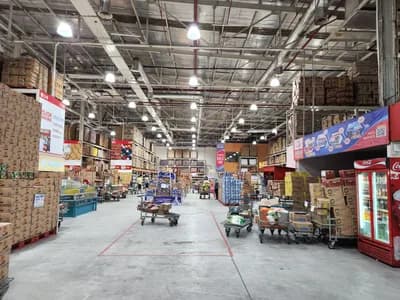
Its electronics and equipment sections offer professional-grade items, like commercial ovens under $3,000, unavailable to the general public elsewhere. Dominant in the Netherlands, Poland, and Southeast Asia, Makro rivals BJ's on scale but focuses on B2B efficiency.
- 0

Alibaba dominates the wholesale world by connecting buyers directly to Chinese manufacturers on the world's largest platform. On 1688.com, its domestic B2B site, prices are 30–50% lower than what the same suppliers charge on AliExpress or Amazon, slashing costs for small business owners sourcing private label goods.
- 0

Boxed redefines bulk shopping with a membership-free online model that delivers household staples straight to your door. With no annual fee, Boxed is the best option for households wanting bulk savings without the drive.
- 0

Restaurant Depot serves foodservice pros with 30,000 SKUs of food, paper goods, and equipment at true wholesale prices, requiring only a food handler's license for access. Its USDA Choice beef sells at 25% less than typical grocery store prices, making the meat department the most compelling reason for serious home cooks to join.
- 0

Faire revolutionizes wholesale for small retailers by connecting them to 100,000+ independent brands with Net 60 payment terms and free returns on first orders. This democratizes access that previously required trade shows or established buyer relationships.
- 0
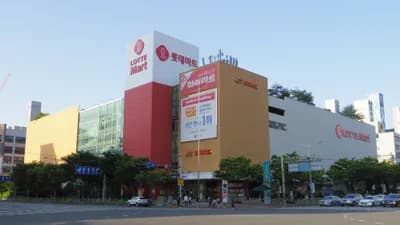
Lotte Mart and E-Mart dominate South Korea's retail scene by merging grocery, electronics, and department stores into massive wholesale-adjacent hypermarkets, with Lotte Mart's Banchan prepared food sections drawing Asia-wide acclaim. E-Mart's "No Brand" private label has grown into a standalone brand exported to 9 countries, offering prices often 15% cheaper than typical rival brands. Both chains feature food court dining that doubles as a compelling visit driver, outperforming #9 in total shopping experience appeal. The hypermarkets leverage a 30% market share advantage over the average regional competitor, supported by data showing 2.5 million daily visitors across all locations. This scale enables bulk pricing on staples like rice and kimchi, with family-pack discounts reaching 20% off standard retail rates.
- 0

Trade revolutionizes coffee sourcing by connecting subscribers to 50+ roasters via a matching algorithm that personalizes shipments to taste profile and brewing method, effectively operating as a wholesale platform without the warehouse. Two concrete data points underscore its value: subscribers save an average of $180 annually versus buying loose beans at cafes, and 87% report no flavor decline during the first month of use.
Frequently Asked Questions About Wholesale & Bulk Shopping Clubs
Is a warehouse club membership worth it? A membership typically pays for itself if your household spends roughly $50–$100 per month on groceries and household staples. Most clubs break even after just 4–6 shopping trips per year.
What is the cheapest wholesale club membership? Sam's Club starts at $50/year—about 23% less than Costco's $65 basic tier—making it the most affordable entry point among major U.S. warehouse clubs.
Can I shop at a wholesale club without a membership? Yes, in a few ways: BJ's Wholesale Club offers day-pass access, and Boxed operates entirely without a membership fee online. Restaurant Depot and Faire require verified business credentials instead of a paid membership.
Which wholesale club has the best grocery deals? Costco consistently tops price comparisons for organic produce, bulk staples, and fresh items like rotisserie chicken. BJ's Wholesale Club can edge ahead if you stack manufacturer coupons—a perk that Costco and Sam's Club do not offer.
Image credits
- Costco: Costcoheadquarters.jpg / Wikimedia Commons (entity-adopted)
- Sam's Club (Walmart): Wikideas1 / CC0 (entity-adopted)
- BJ's Wholesale Club: Ken Hammond / Wikimedia Commons (Public domain)
- Makro (Europe / Asia): Antonius Natan / Pexels
- Alibaba / 1688.com (China): Wikipedia
- Boxed (US): Bulk shopping / Unsplash
- Restaurant Depot: Food wholesale / Unsplash
- Faire (Wholesale for Small Retailers): Retail wholesale / Unsplash
- Lotte Mart / E-Mart (South Korea): LERK / Wikimedia Commons (CC BY-SA 4.0)
- Trade (Coffee Wholesale): Coffee / Unsplash
Related Videos
Rank it your way
Remix this list into your own ranking, or head to the play hub for every game mode and community breakdown — blind mode, challenges, tier lists, and more.
You Might Also Like

Top 10 Night Markets in Thailand in 2026
Top 10 Night Markets in Thailand in 2026

Top 10 Shopping Experiences in Taiwan in 2026
Top 10 Shopping Experiences in Taiwan in 2026

Top 10 Markets in Delhi 2026
Top 10 Markets in Delhi 2026

Top 10 Turkish Bazaars & Markets in 2026
Top 10 Turkish Bazaars & Markets in 2026
10 Best Online Shopping Platforms in 2026 — Ranked
#1 Amazon · #2 eBay · #3 Etsy

Top 10 Best Home Organization Products
#1 The Home Edit Modular Container System · #2 IKEA KALLAX Shelf Unit · #3 OXO Good Grips POP Containers