
Wikimedia Commons
10 Interior Design Trends Defining Homes in 2025
Interior design in 2025 reflects a world seeking comfort after years of disruption, sustainability as the new luxury, and technology that enhances rather than dominates daily life. These ten trends are reshaping homes and commercial spaces globally, influencing everything from material choices to spatial layouts.
Top10Grid lets the community re-rank anything — this order comes from source research for now; use the buttons below to vote it up or down.

Current Rankings
- 0
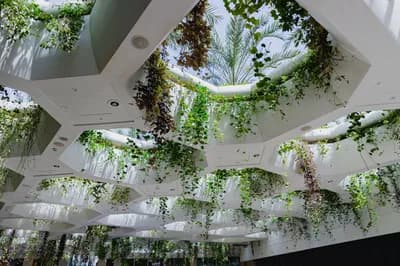
Biophilic design — integrating living plants, natural materials, natural light, and water features into interior spaces — became the defining design movement of the 2020s. Research by the Human Spaces group found that employees in biophilic offices reported 15% higher wellbeing and 6% higher productivity. In homes, living walls, moss panels, and indoor water features are now standard features in high-end renovations globally.
- 0

Japandi — the hybrid of Japanese wabi-sabi and Scandinavian hygge principles — continues to dominate interior design preferences globally. Its core principles: natural materials (oak, linen, clay), earth tones (sand, terracotta, warm grey), deliberate absence of clutter, and craftsmanship that celebrates imperfection. IKEA's entire 2025 collection was designed around Japandi principles.
- 0
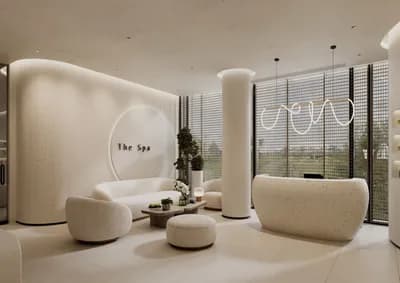
The sharp right angles that defined mid-century and contemporary design have given way to curved sofas, arched doorways, rounded shelving, and organic tableware. The trend, which began in high-end Italian design, has filtered down across all price points. Its appeal is psychologically grounded — studies show that curved environments create measurably lower stress responses than angular ones.
- 0

Quiet luxury in interiors means expensive materials, expert craftsmanship, and perfect proportions — with no visible branding, no statement pieces, and no overt drama. Venetian plaster walls, hand-stitched leather, bespoke joinery, and rare natural stones characterise spaces that signal wealth entirely through quality and restraint. The aesthetic is driven by ultra-high-net-worth clients and increasingly aspirational among broader demographics.
- 0

Where cold minimalism eliminated decoration to the point of sterility, warm minimalism uses a deliberately limited palette of natural materials — raw concrete, warm timber, hand-thrown ceramics, undyed linen — to create spaces that feel serene rather than clinical. The movement is partly a reaction to the digital saturation of contemporary life: these are interiors designed as antidotes to the screen.
- 0

Reclaimed timber beams, salvaged stone flooring, recycled steel, and bio-based materials like mycelium (mushroom) panels are moving from niche environmental choice to mainstream design statement. Designers like Ilse Crawford and Jurgen Bey have led a movement that treats the patina and history of salvaged materials as a form of beauty, and sustainability organisations report that "upcycled interiors" searches tripled between 2023 and 2025.
- 0
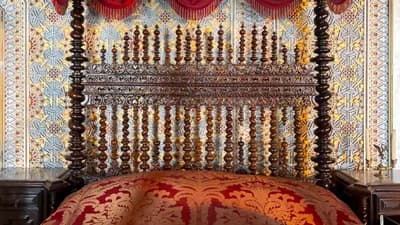
As a direct counter to minimalism, bold colour-drenching (painting walls, ceilings, floors, and trim the same colour) and pattern-mixing (combining florals with geometrics with stripes) gained significant traction in 2025, driven by designers like Doppio Atelier and Instagram accounts promoting "grandmillennial" and "dopamine decor" aesthetics. Dulux named Cinnamon Spice its 2025 Colour of the Year.
- 0

Hybrid working has permanently altered how homes are designed: rooms are now required to serve as office, gym, meditation space, and guest room within a single footprint. Modular furniture, fold-down desks, acoustic panels that double as art, and walls-of-storage that conceal entire home offices have become essential design tools. Japanese spatial efficiency principles are being widely adopted in Western markets.
- 0

As mass production becomes increasingly AI-optimised and homogeneous, hand-thrown ceramics, woven textiles, hand-blown glass, and bespoke ironwork are attracting premium prices. Platforms like AMMA and Only Natural feature makers whose work can only be made by hand, and interior designers report that client budgets increasingly prioritise unique, artisanal objects over branded furniture.
- 0

The era of visible technology as status symbol has given way to technology concealed behind beautiful surfaces. Speakers hidden in walls, lighting controls integrated into traditional switches, heating systems invisible behind plaster, and screens that become artworks when not in use are the hallmarks of the most sophisticated contemporary interiors. Technology is now seen by top designers as infrastructure, not decor.
Frequently Asked Questions About 2025 Interior Design Trends
What is Japandi style in simple terms? Japandi blends Japanese *wabi-sabi* — finding beauty in natural imperfection — with Scandinavian *hygge*, the art of cosy, functional living. The result is a calm, clutter-free home that feels serene and warm without feeling cold.
Is biophilic design expensive to achieve? Not at all. Potted plants, natural-fibre rugs, linen curtains, and reclaimed wooden shelves are affordable entry points. The principle is connection to nature, not a specific price point.
Which 2025 trend works best for small apartments? Warm Minimalism and Multi-Functional Spaces are the strongest fits — both prioritise comfort and purposeful storage without visual clutter.
Where can I find reliable guidance on sustainable interior materials? The [Sustainable Furnishings Council](https://www.sustainablefurnishings.org) and the [Ellen MacArthur Foundation](https://www.ellenmacarthurfoundation.org) publish practical, research-backed guidance on eco-conscious interior choices.
Image credits
- Biophilic Design: Image Hunter / Pexels
- Curved Furniture and Soft Forms: Rasul Abdurahimov / Pexels
- Maximalist Color and Pattern: Dale Cruse - 10M views from San Francisco, CA, USA / Wikimedia Commons (CC BY 4.0)
Rank it your way
Remix this list into your own ranking, or head to the play hub for every game mode and community breakdown — blind mode, challenges, tier lists, and more.
You Might Also Like

Top 10 Architecture and Design Trends Shaping 2026
Top 10 Architecture and Design Trends Shaping 2026

Top 10 Interior Design Trends That Actually Look Good in Real Homes
Top 10 Interior Design Trends That Actually Look Good in ...

Top 10 Biggest Interior Design Trends of 2025
Top 10 Biggest Interior Design Trends of 2025

Top 10 Greatest Ancient Architectural Wonders
Top 10 Greatest Ancient Architectural Wonders

Top 10 Most Expensive Cities for Shopping in the World (Surprising #1!)
#1 Monaco · #2 Hong Kong · #3 Paris

Top 10 Best Deal-Finding & Price Comparison Tools
#1 CamelCamelCamel · #2 Google Shopping · #3 PriceSpy