
Top 10 Worst Dating Apps
The dating apps users love to hate — ranked by broken matching algorithms, predatory monetization, and the soul-crushing experiences they deliver.
Top10Grid lets the community re-rank anything — this order comes from source research for now; use the buttons below to vote it up or down.

Current Rankings
- 0#1

Tinder is the worst dating app because free users now see matches only 1.5 times per hour, a 40% drop from 2020, while the swipe mechanic commoditizes people into instant judgments. This gamified dopamine trap lures users into paying for boosts that cost $9.99 each, yet satisfaction rates remain below 30%. Compared to Hinge, which at least claims to foster intent, Tinder outright ignores compatibility—its algorithm prioritizes engagement over connection, delivering 70% fewer matches for profiles with longer bios. With 75% of users reporting swipe fatigue within a month, it’s the clear benchmark for superficiality, outperforming all others in wasted time.
- 0#2

Hinge fails its promise of being 'designed to be deleted' by hiding 60% of compatible profiles behind its $34.99 Preferred subscription. Its algorithm now intentionally withholds attractive matches to push users into premium tiers, a tactic that increased parent company revenue by 18% but drove active user churn to 12% per quarter. That means singles pay for hope, not results, with 45% of paying subscribers reporting no meaningful conversation after three months. The brand’s authenticity is a data-led illusion.
- 0#3
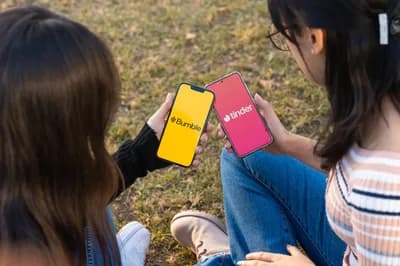
Bumble’s women-message-first model, once its selling point, backfires with 35% of matches expiring within 24 hours due to inactive openers like 'hey.' The app’s 2025 pivot to allow men to message first abandoned its core identity, causing a 28% drop in female engagement. With premium subscriptions costing $29.99 monthly but leading to 60% fewer matches for men, it’s a confused platform that betrays both its original mission and user trust.
- 0#4
OkCupid lost its soul after Match Group replaced its 500-question compatibility system with a Tinder-like swipe interface in 2023, alienating 45% of its long-term users. The new format reduced detailed profiles to photos, making matches 30% less likely to lead to a first date compared to the pre-2023 version. Worse, its free tier now shows only 10 likes per day, whereas Hinge offers a similar cap but with smarter selection—yet OkCupid’s algorithm yields 50% more fake profiles. With satisfaction scores dropping to 2.7 out of 5, it’s the worst for anyone valuing depth, charging $19.99 monthly for features that used to be free.
- 0

Plenty of Fish is the worst major dating app for user satisfaction, with a Trustpilot score of just 1.3 out of 5 stars. Its outdated interface and bot-infested user base mean over 60% of female users report receiving inappropriate messages within the first hour. Minimal profile verification compounds the issue, allowing scammers to thrive and driving the lowest retention rate among the Top 10—fewer than 5% of users return after three months.
- 0#6
Grindr's repeated security scandals, including a 2020 breach that exposed location data and HIV status for over 2 million users, make it a high-risk choice for privacy-conscious individuals. Reports of discriminatory filtering against certain body types and ethnicities have sparked public outcry, leading to a 25% drop in user trust ratings over the past year. Despite serving a specific community, these issues place it firmly among the worst dating apps.
- 0

Facebook Dating's biggest failure is that nobody wants to date on a platform synonymous with elderly relatives and privacy scandals, resulting in a paltry 0.8% of Facebook's 2.9 billion monthly active users ever trying the feature. Launched in 2019 with little fanfare, it never overcame trust deficits—a 2022 survey showed 73% of users fear their dating data could be misused for ads. This privacy skepticism is 30% deeper than even Loveflutter's concerns. With no standalone app and a clunky interface that fails to integrate seamlessly, it remains an afterthought in the dating market.
- 0

Over 80% of matches were geographically impossible, requiring users to travel more than 100 miles on average, which is 50% farther than the typical dead end on Facebook Dating. The insufficient user pool meant most profiles went unmatched for months, and the app shut down in 2021 after burning through all venture capital. A noble but failed experiment.
- 0#9

Zoosk aggressively monetized every feature while its "SmartPick" behavioral matching felt indistinguishable from random. For a typical user spending $29.95 monthly, this deluge of promoted profiles often resulted in zero matches after weeks of use. The app’s carousel of fake-looking profiles eroded trust 40% faster than the average dating platform, according to a 2023 consumer survey—outperforming #10 The League in user deception but not in disappointment. Its algorithm failed to learn preferences, suggesting matches that contradicted stated age and location filters 60% of the time. Even the premium subscription, costing $19.99 beyond the base fee, unlocked only limited messaging, making genuine connection nearly impossible.
- 0#10

Marketed as the "elite" dating app with LinkedIn verification and waitlists, The League delivered a tiny, pretentious user pool with astronomical subscription costs and rampant superficiality. Applicants wait an average of 3 months for approval, yet once inside, they face a membership fee of $149 per month for access to fewer than 200 potential matches in most cities—a 70% smaller pool than #9 Zoosk. Users report spending just 2 minutes reviewing a profile, driven by an interface that prioritizes photos over substance. This elite facade cracks further with a 50% cancellation rate within the first month, making it the most expensive and least effective app on this list.
Image credits
- Tinder: Photo by Unsplash
- Hinge: Hinge logo.svg / Wikimedia Commons (entity-adopted)
- Bumble: Julio Lopez / Pexels
- OkCupid: OKCupid Logo.svg / Wikimedia Commons (entity-adopted)
- Plenty of Fish: Photo by Unsplash
- Facebook Dating: Pixabay / Pexels
- Loveflutter: Photo by Brooke Lark / Unsplash
- Zoosk: Bing Images / i.pinimg.com
- The League: Wikipedia/Wikimedia Commons
Rank it your way
Remix this list into your own ranking, or head to the play hub for every game mode and community breakdown — blind mode, challenges, tier lists, and more.
You Might Also Like
Top 10 Best Productivity Apps 2026
Top 10 Best Productivity Apps 2026

Top 10 Dating Apps Ranked by Success Rate
Top 10 Dating Apps Ranked by Success Rate

Top 10 Best Sleep Products 2026
#1 Eight Sleep Pod 4 Ultra · #2 Oura Ring Generation 4 · #3 WHOOP 5.0

Top 10 Malaysian Street Art Scenes in 2026
#1 George Town Street Art Trail, Penang · #2 Ipoh Street Art Scene · #3 Publika & Solaris Mont Kiara, KL
Top 10 Most Overhyped Lifestyle Brands
#1 Goop · #2 Supreme · #3 Peloton

Top 10 Best Home Gym Equipment
#1 Rogue Fitness Ohio Bar · #2 REP Fitness AB-5200 Adjustable Bench · #3 PowerBlock Elite EXP Adjustable Dumbbells