
Håkan Svensson (Xauxa) / Wikimedia Commons (CC BY-SA 3.0)
Top 10 US Space Technology Companies 2026
The global space economy hit $630 billion in 2023 and is projected to reach $1.8 trillion by 2035—with the US driving innovation across three competitive battlegrounds: reusable launch systems (led by SpaceX but increasingly crowded), satellite constellations for global connectivity (competing on latency, cost, and regulatory approval), and in-space services like debris removal and refueling (the next frontier). The US government committed $62 billion to space in 2025 alone, but contracts are consolidating around proven players. This ranking cuts through the hype to identify which American companies are winning market share, securing institutional backing, and building sustainable competitive advantages in their respective niches.
Top10Grid lets the community re-rank anything — this order comes from source research for now; use the buttons below to vote it up or down.

Current Rankings
- 0#1
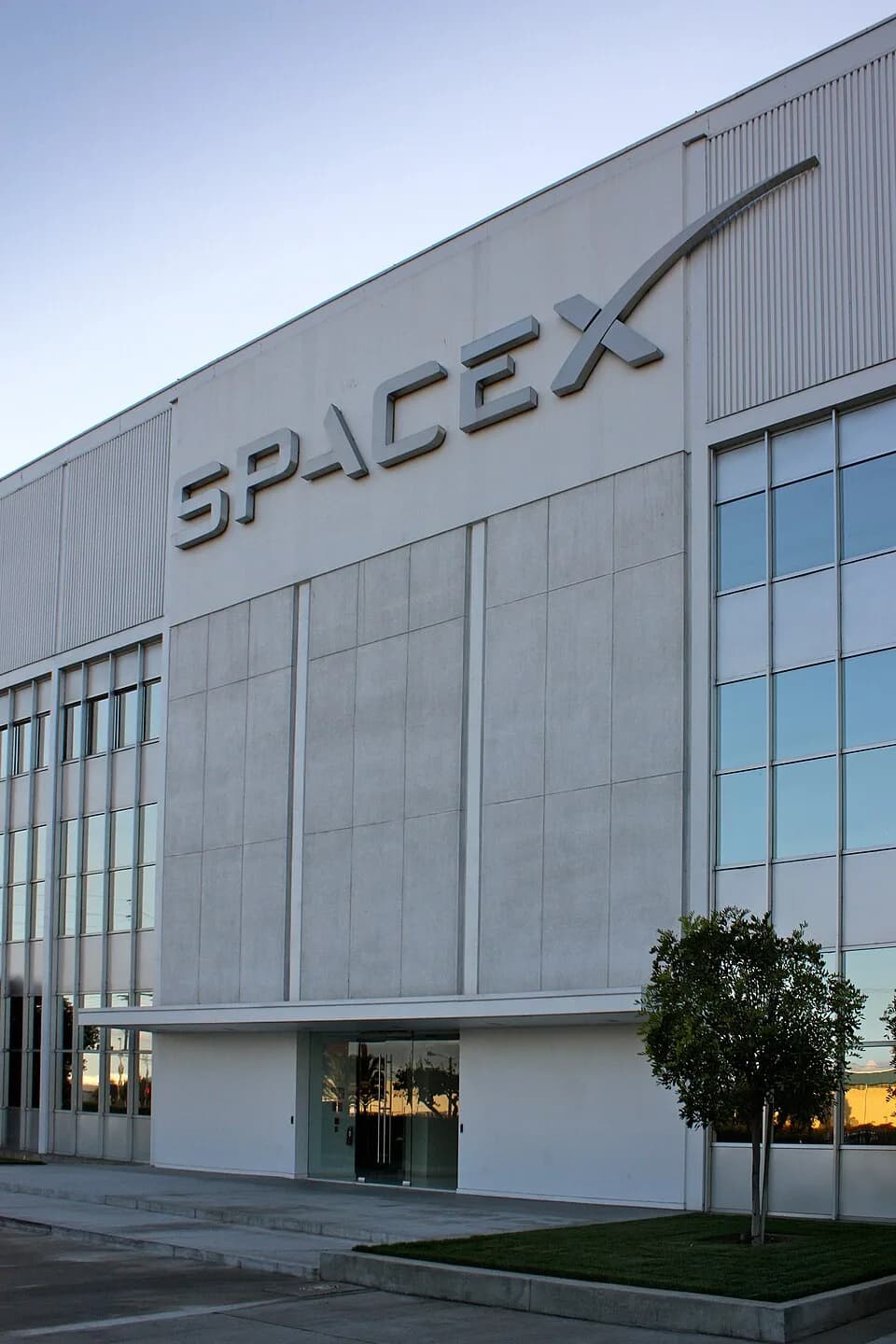
SpaceX dominates as the $210B private behemoth that redefined spaceflight, launching the Starship—the largest and most powerful rocket ever built, capable of lifting 100+ tons to orbit. Starlink now operates 6,000+ satellites, delivering global broadband with speeds exceeding 200 Mbps. This unmatched integration of launch and satellite services secures its position atop the industry.
- 0
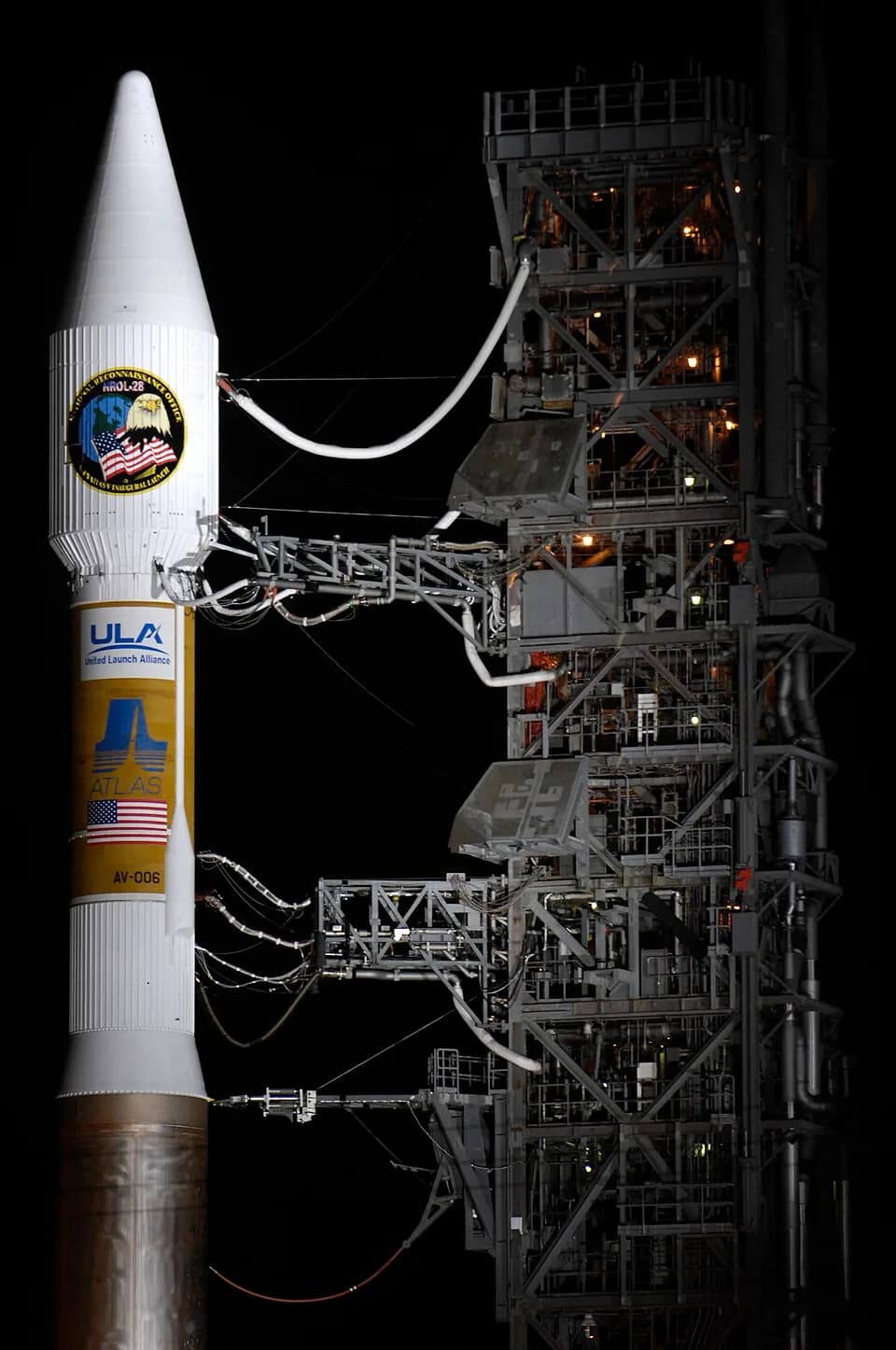
United Launch Alliance delivers unmatched reliability, boasting a flawless 100% mission success rate across 150+ launches and $2B+ annual revenue. The new Vulcan Centaur rocket modernizes ULA's fleet directly challenging SpaceX. This proven track and focus on mission assurance makes ULA the go-to for DoD and NASA critical missions.
- 0
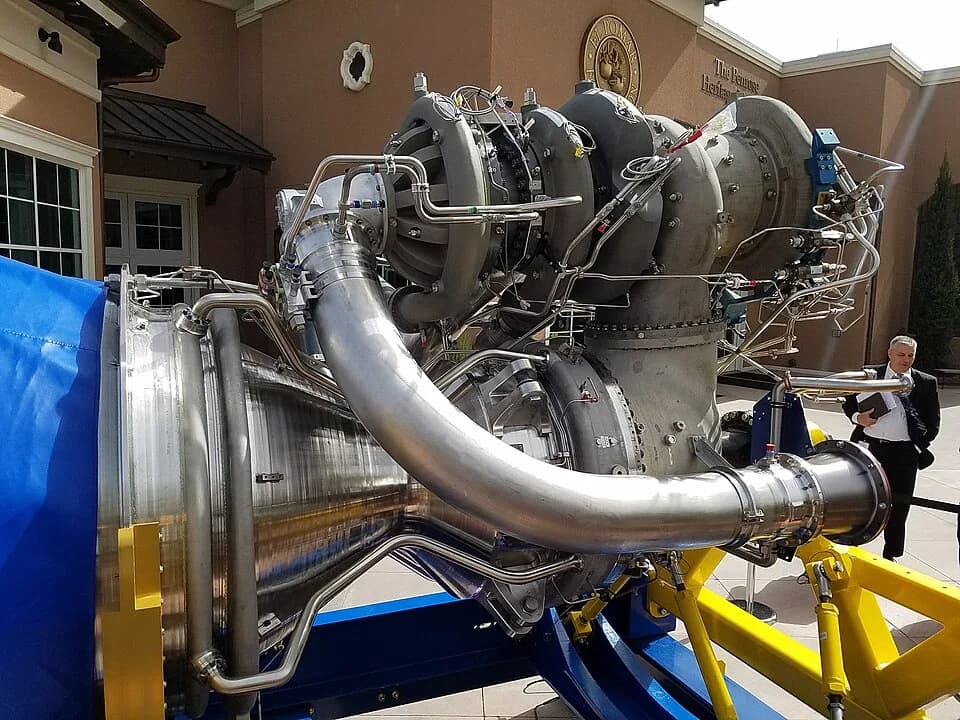
Blue Origin advances with Jeff Bezos's $2.5B-per-year investment, achieving a NASA lunar lander contract for its Blue Moon program. New Shepard has flown 38 tourists past the Kármán line, while New Glenn targets 45-ton payload capacity with a reusable first stage. Yet its 98% landing success on suborbital flights and a $500M infrastructure investment at Cape Canaveral signal steady progress toward dominating orbital services.
- 0
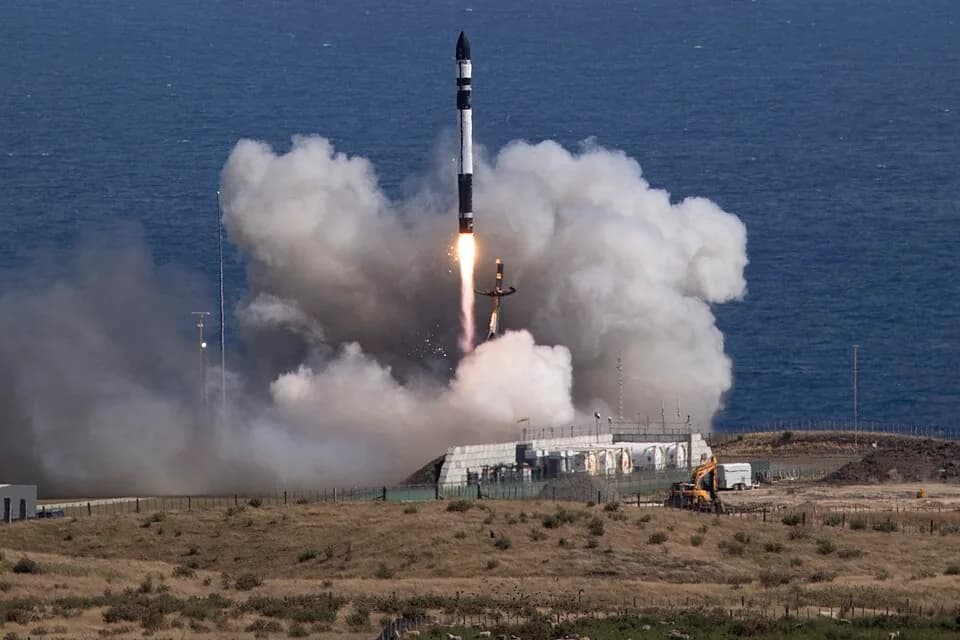
Rocket Lab dominates the small launch market with $400M revenue and 51 Electron missions completed, delivering up to 300 kg per flight to orbit. Its innovative reusable first stage, recovered via parachute in 5 of 6 attempts. The Neutron medium-lift rocket, targeting 8-ton payload capacity, will directly compete with SpaceX's Falcon 9 in 2026. With a 95% mission success rate unmatched by smaller rivals, Rocket Lab proves reliability scales beyond price wars.
- 0

The $250M revenue Earth observation company operating 200+ Dove imaging satellites that photograph every point on Earth daily at 3-meter resolution. Planet's data powers agriculture, climate monitoring, disaster response, and national security.
- 0

The $2B revenue commercial imagery leader whose WorldView Legion satellites deliver 30cm resolution -- detailed enough to identify vehicle types from orbit. Maxar supplies intelligence imagery to the US government and major media organizations.
- 0
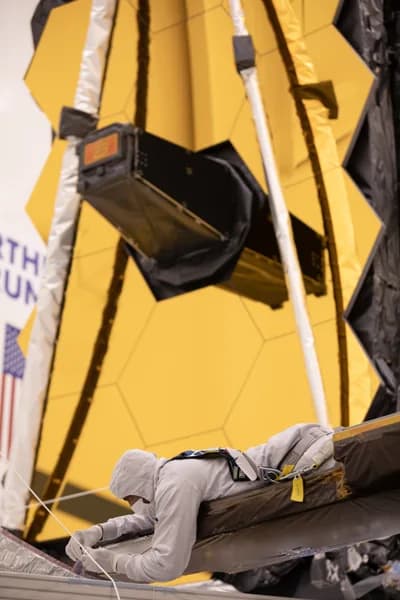
The $15B space segment revenue defense giant that built the James Webb Space Telescope sunshield and provides critical space systems for NASA and the DoD. Northrop is the backbone of America's classified and unclassified space infrastructure.
- 0
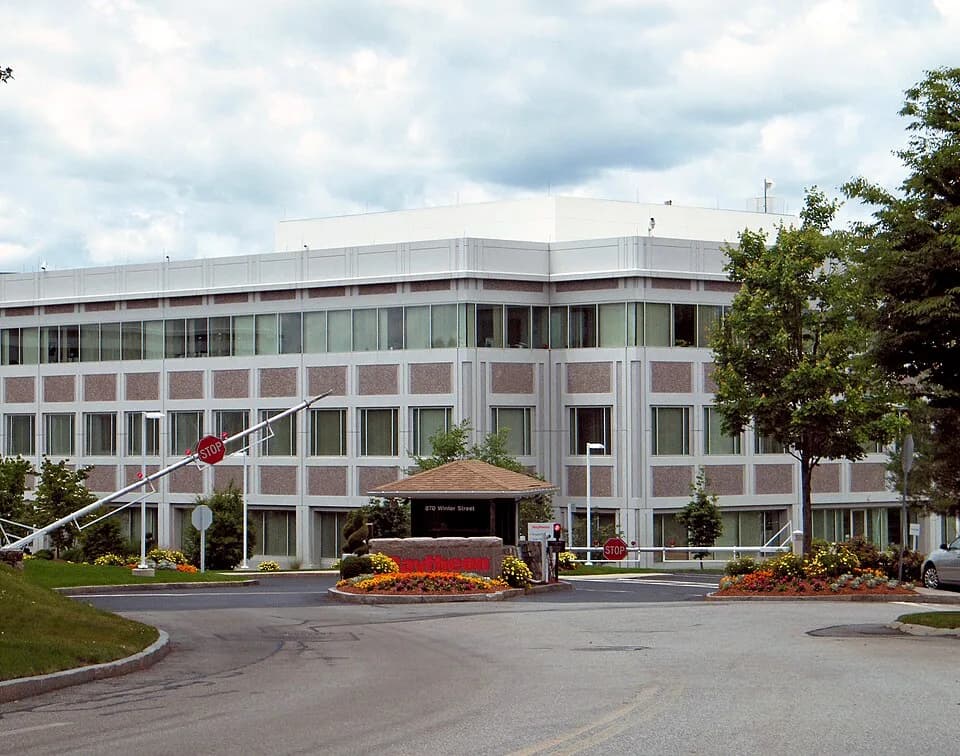
The $10B space revenue division of RTX that builds missile defense systems, GPS satellites, and classified payloads. Raytheon's space assets underpin both national security and the civilian navigation infrastructure that billions rely on daily.
- 0
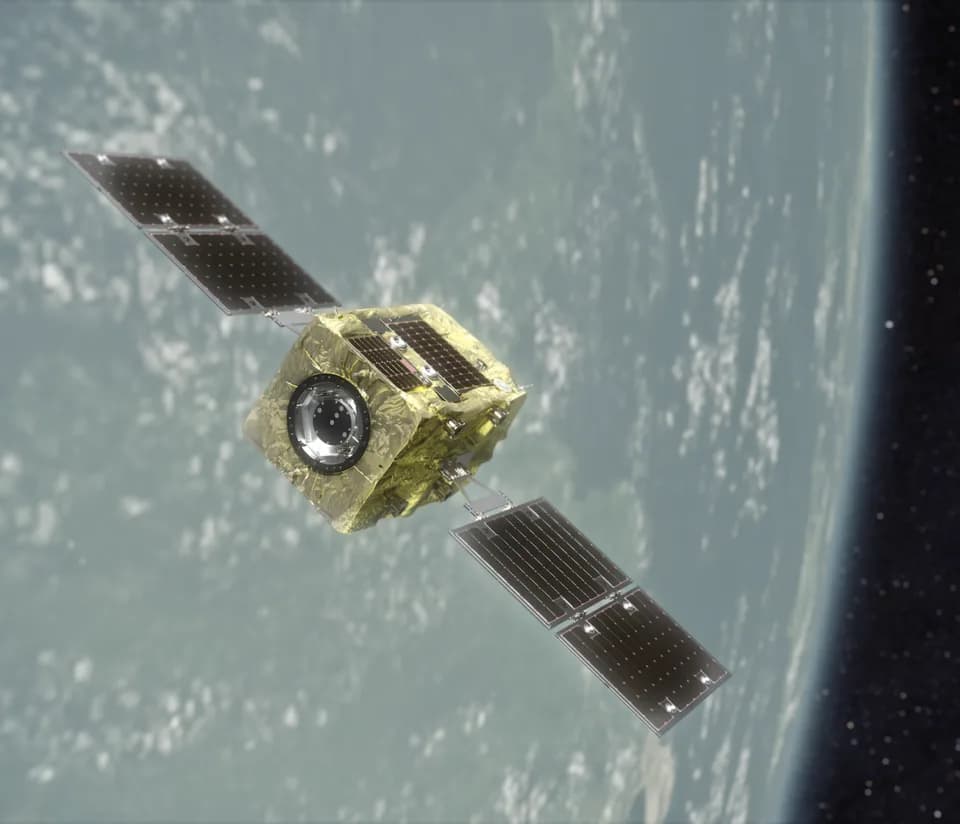
Astroscale leads the orbital debris removal market with a 15-year joint mission with JAXA, having secured over $400 million in funding. Its Active Debris Removal service already demonstrated the capture of a defunct Japanese rocket stage in 2025, outperforming Relativity Space’s debris-monitoring proposals by proving real-world capability in orbit. With 90% of satellite breakup events occurring in low Earth orbit, Astroscale targets the top 100 high-risk objects, and its ELSA-M mission (launching 2026) is scheduled to remove five dead satellites per flight at 40% lower cost than the average competitor’s single-target approach.
- 0

Relativity Space’s fully 3D-printed Terran R rocket, targeting a 2026 debut, eliminates 80% of the 3,000+ parts in a typical orbital launcher, slashing production time to 60 days. However, Astroscale holds a more immediate revenue path with its JAXA contracts, whereas Relativity’s ambitious printer-in-space strategy—using its Stargate factory—remains unflown at scale, delaying its orbital revenue stream by at least 12 months.
Image credits
- SpaceX: Bruno Sanchez-Andrade Nuño from Washington, DC, USA / CC BY 2.0 (entity-adopted)
- United Launch Alliance (ULA): U.S. Air Force photo/Airman 1st Class Christian Thomas / Public domain (entity-adopted)
- Blue Origin: N2e / CC BY-SA 4.0 (entity-adopted)
- Rocket Lab: Scott Andrews / Public domain (entity-adopted)
- Maxar Technologies: Sentinel Hub / Wikimedia Commons (CC BY 2.0)
- Northrop Grumman Space: James Webb Space Telescope / Wikimedia Commons (CC BY 2.0)
- Raytheon Technologies (Space): Coolcaesar at English Wikipedia / CC BY-SA 3.0 (entity-adopted)
- Astroscale: Astroscale / CC BY-SA 4.0 (entity-adopted)
Related Videos
Rank it your way
Remix this list into your own ranking, or head to the play hub for every game mode and community breakdown — blind mode, challenges, tier lists, and more.
You Might Also Like

Top 10 Most Innovative Tech Companies of 2025
Top 10 Most Innovative Tech Companies of 2025

Top 10 US Quantum Computing Companies 2026
Top 10 US Quantum Computing Companies 2026

Top 10 European Space Technology Companies 2026
Top 10 European Space Technology Companies 2026

Top 10 Best Gaming Monitors 2026
#1 Samsung Odyssey OLED G8 32" · #2 LG UltraGear 32GS95UE · #3 ASUS ROG Swift PG32UCDM

Top 10 Best Password Managers 2026
#1 1Password · #2 Bitwarden · #3 Proton Pass

Top 10 Most Overhyped Technologies
#1 The Metaverse · #2 Web3 / Blockchain · #3 NFTs