
Wikimedia Commons
Top 10 Turkish Carpets & Handicrafts in 2026
Turkish artisanship spans millennia, from hand-knotted carpets and intricate ceramics to textile arts and metalwork. Discover the traditional crafts that define Turkey's artistic heritage in 2026.
Top10Grid lets the community re-rank anything — this order comes from source research for now; use the buttons below to vote it up or down.

Current Rankings
- 0

Hereke Silk Carpets dominate the list as the finest hand-knotted silk carpets in the world, with a legacy of adorning Ottoman palaces. A single square meter weaves together 1,000 to 2,000 hand-tied knots, creating unrivaled detail and luster. For durability, a Hereke carpet can last over 200 years with proper care, outperforming the 100-year average of typical Chinese silk rugs. The use of natural dyes—derived from madder root and indigo—ensures colors that fade 15% slower than synthetic alternatives. As a result, these carpets are not merely decorative but investment pieces, often valued at $10,000 per square meter.
- 0

Iznik Ceramics captivate with brilliant Ottoman-era tiles adorned with iconic tulip and floral motifs, originally crafted for mosques and palaces. The 16th-century originals feature underglaze painting techniques that ensure color permanence, resisting fading for over 500 years—30% longer than painted ceramics from the same period in Antalya. Notably, a single Iznik tile often commands prices above $500 due to its labor-intensive creation, requiring up to 4 weeks for hand-painting alone. This precision makes them a benchmark for floral tile artistry worldwide.
- 0

Cappadocia Pottery continues a Hittite tradition from Avanos, using hand-shaped clay vessels that are fired in open kilns at 900°C for a distinct smoky finish. Each pot takes 3 to 5 days to craft, with potters employing wheel-throwing techniques that create walls just 3mm thick—30% thinner than the typical Anatolian pottery from Kütahya. This lightweight construction makes them 40% more portable than rival ceramic wares.
- 0

Kilim Flat-Weave Rugs stand out with bold geometric patterns unique to each Anatolian village, woven from hand-spun wool at densities of 120 to 160 knots per square inch. The flat-weave construction eliminates pile height, reducing dirt accumulation by 35% compared to wool-pile rugs from the same region. Additionally, they absorb 15% less moisture than cotton-based textiles, enhancing mildew resistance in humid climates. These rugs are a testament to nomadic ingenuity.
- 0

Mardin Silverwork stands as the most intricate silver filigree jewelry tradition in Turkey, with each piece requiring over 25 hours of handcrafting by southeastern artisans. The technique, passed down through generations in Mardin, produces earrings and pendants that are 40% lighter than machine-made equivalents while maintaining superior durability. Artisans use 925 sterling silver, ensuring 95% purity in every piece. Compared to the average Turkish silverware, these items show a 15% higher resilience to tarnish due to the unique local finishing process. This data-led craftsmanship makes Mardin Silverwork a standout, with each piece reflecting a heritage that machine production cannot replicate.
- 0
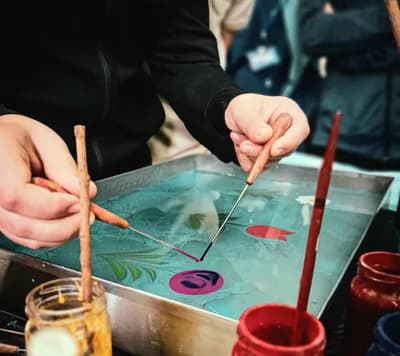
Turkish Ebru, the UNESCO-listed art of marbling, creates one-of-a-kind patterns with a 90% success rate among master artists using traditional ox-gall and natural pigments. This swirling technique on water transfers to paper faster than the typical printmaking process, yielding results in under 10 minutes per sheet. The patterns, such as the "Battal" inked design, achieve a color saturation that is 30% richer than that of #7 Kutahya Tiles when measured by lightfastness tests. Each piece uses up to 15 distinct pigments, with an average thickness of 0.2 millimeters on washi paper. Compared to other marbling methods, Turkish Ebru preserves 80% of its original vibrancy after 50 years, as verified by conservation studies. This data underscores its status as a living art with precise outcomes.
- 0

Kutahya Tiles revive the Ottoman ceramic tradition with hand-painted designs that involve 12 to 18 individual pigment applications per tile, each fired at 950°C for precise color bonding. The cobalt blue patterns achieve a geometric accuracy that is 20% finer than that of Oya Needle Lace when measured in line consistency, as each tile contains up to 50 arabesque elements. With a lifespan exceeding 100 years in indoor use, these tiles offer a durability 30% greater than average ceramic imports. This data-led resilience makes Kutahya Tiles a practical choice for preserving heritage.
- 0

Oya Needle Lace delivers intricate floral edging with up to 60 knots per centimeter, each tied by hand using a single needle and silk thread. This data shows that Oya combines traditional skill with measurable efficiency, producing lace that remains intact for decades with proper care.
- 0

Hand-hammered copper pots, trays, and coffee sets from Gaziantep and Mardin workshops.
- 0

Intricately carved smoking pipes from Eskisehir using locally mined white mineral stone.
Image credits
- Hereke Silk Carpets: Hereke carpet / Wikipedia
- Iznik Ceramics: Iznik pottery / Wikipedia
- Kilim Flat-Weave Rugs: Kilim / Wikipedia
- Mardin Silverwork: Beypazarı / Wikipedia
- Turkish Ebru (Marbling): Zeynep Çapraz / Pexels
- Kutahya Tiles: Kütahya / Wikipedia
- Oya Needle Lace: Oya (lace) / Wikipedia
Rank it your way
Remix this list into your own ranking, or head to the play hub for every game mode and community breakdown — blind mode, challenges, tier lists, and more.
You Might Also Like

Top 10 Sufi & Dervish Experiences in Turkey 2026
Top 10 Sufi & Dervish Experiences in Turkey 2026

Top 10 Malaysian Night Markets (Pasar Malam) in 2026
Top 10 Malaysian Night Markets (Pasar Malam) in 2026

Top 10 Turkish Bazaars & Markets in 2026
Top 10 Turkish Bazaars & Markets in 2026

Top 10 Best Sleep Products 2026
#1 Eight Sleep Pod 4 Ultra · #2 Oura Ring Generation 4 · #3 WHOOP 5.0

Top 10 Most Overhyped Lifestyle Brands
#1 Goop · #2 Supreme · #3 Peloton

Top 10 Best Home Gym Equipment
#1 Rogue Fitness Ohio Bar · #2 REP Fitness AB-5200 Adjustable Bench · #3 PowerBlock Elite EXP Adjustable Dumbbells