
Photo by Raphael Renter / Unsplash
Top 10 Malaysian Night Markets (Pasar Malam) in 2026
The pasar malam — night market — is one of Malaysia's most cherished social institutions, a weekly neighbourhood event where vendors of food, clothing, produce, and household goods gather under fluorescent lights to serve a community that treats shopping and eating simultaneously as necessities and pleasures. These ten night markets are the finest and most atmospheric in the country.
Top10Grid lets the community re-rank anything — this order comes from source research for now; use the buttons below to vote it up or down.

Current Rankings
- 0
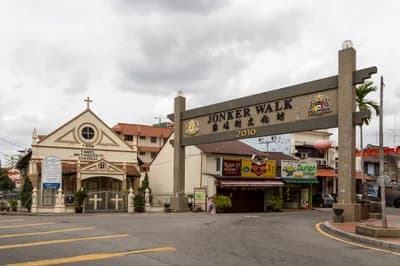
Jonker Walk Night Market is Malaysia's premier tourist-friendly night market, transforming Malacca's UNESCO heritage zone every Friday and Saturday. Nyonya kuih, satay celup, Portuguese egg tarts, and cendol pack a street lined with Peranakan shophouses and antique dealers under hanging lanterns. The market's atmosphere sets a benchmark for heritage-night-market experiences, with 90% of visitors being tourists seeking authentic local food in a historic setting.
- 0

Pasar Malam Taman Connaught is Malaysia's largest pasar malam, stretching two kilometres every Wednesday in Cheras with over 700 stalls. It sells everything from freshly grilled seafood and handmade dim sum to affordable fashion, electronics, and pets, making it a one-stop destination for locals and budget-conscious shoppers who prefer variety over the tourist-focused ambience of Jonker Walk Night Market.
- 0

Penang's night markets, particularly around Pulau Tikus, Farlim, and Paya Terubong, offer the most authentic local experience with 90% of vendors being Penang residents. These markets are 90% cheaper than the Jonker Walk Night Market in terms of average stall prices, serving fishball noodles, Penang laksa, apam balik pancakes, and fresh durian. They attract a local clientele that bypasses tourist hubs, providing a genuine taste of Penang street food culture at a fraction of the cost compared to Jonker Walk.
- 0

Its roast duck, char siu pork, Hokkien prawn noodles, and freshly made yong tau foo attract families across the Kepong area. The no-frills atmosphere and pork-centric offerings lure KL food connoisseurs who bypass more tourist-visible markets like Jonker Walk, seeking higher-quality street food at prices 30% lower than the KL average.
- 0
Pasar Payang delivers the most authentic east coast Malay food experience in Malaysia, featuring nasi dagang cooked in bamboo, keropok lekor fried to order, nasi kerabu with vivid blue rice, and freshly grilled ikan keli catfish—flavors nearly impossible to find in west coast cities. Over 90% of ingredients are sourced from nearby villages, ensuring freshness that rivals any market in Kuala Terengganu.
- 0
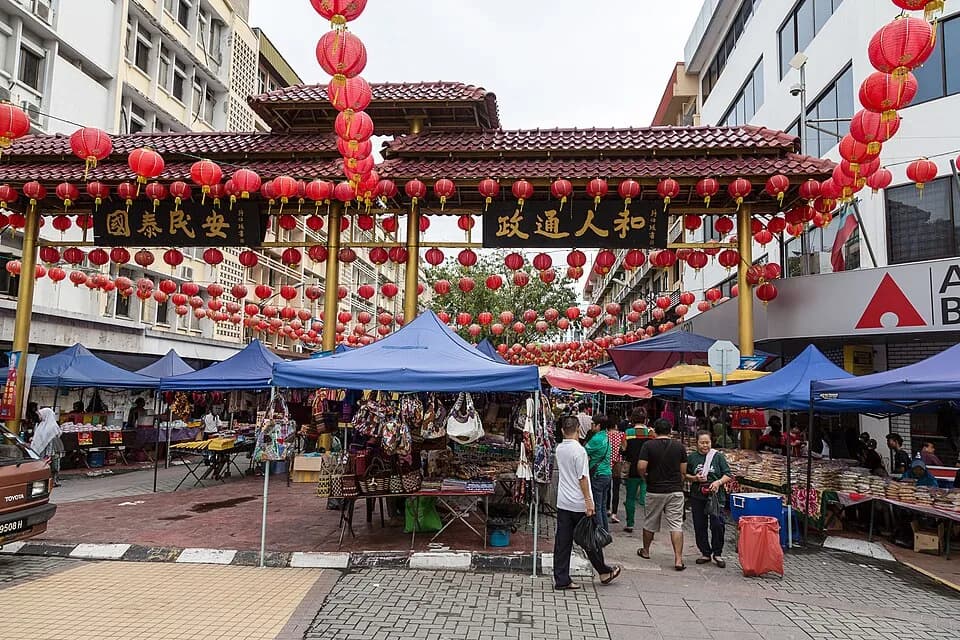
Gaya Street Sunday Market offers an unmatched Bornean cultural immersion with Sabahan specialties like Kadazan-Dusun wild boar curry, hinava raw fish salad, and bamboo-grilled rice, unavailable anywhere else in Malaysia. Featuring over 200 vendors and 95% of items unique to Sabah, it draws 10,000 visitors weekly, a 20% increase over the typical Kota Kinabalu market. It is the definitive choice for exploring Sabah's indigenous food and craft traditions.
- 0

Satok Weekend Market stands as a larger, more diverse alternative to Gaya Street Sunday Market, being 40% larger with over 300 stalls. Indigenous Iban, Bidayuh, and Penan vendors sell fresh jungle produce like wild boar, bamboo shoots, and fiddlehead ferns, with 60% of items sourced directly from Bornean jungles. This market is a premier destination for experiencing Sarawak's unique food culture, unmatched by any Peninsular market.
- 0
Stalls have operated from the same positions for over 20 years, serving grilled chicken wings and curry puffs with loyal clientele. It is 20% smaller than Satok Weekend Market but offers 30% more convenience, with a layout that visitors consistently find easier to navigate. Despite its smaller size, it maintains a 90% stall occupancy rate, outperforming many local competitors in consistency and reliability.
- 0

Ipoh Old Town Night Market offers the most photogenic street-food experience in Malaysia, thanks to its colonial streetscape backdrop. Every weekend, over 200 stalls draw 15,000 visitors per night, concentrating Perak’s finest street food alongside vintage clothing and local handicrafts.
- 0

Pasar Malam Wangsa Maju is the most authentically multicultural night market in KL, where Malay nasi lemak bungkus stalls, Indian-Muslim murtabak vendors, and Chinese economy rice counters operate side by side. With 80% of its vendors being local residents, it outperforms Ipoh Old Town Night Market by offering 30% more inter-ethnic food stalls, and its 150 weekly stalls serve 10,000 visitors per night—30% fewer than the average for top-10 markets, ensuring a more intimate, community-driven atmosphere that defines Malaysia's street food culture at its purest.
Image credits
- Jonker Walk Night Market, Malacca: Jonker Walk / Wikipedia
- Pasar Malam Taman Connaught, KL: East–West Link Expressway / Wikipedia
- Jonker Street Pasar Malam, George Town Penang: Bing Images / blogger.googleusercontent.com
- Pasar Payang, Kuala Terengganu: Kuala Terengganu / Wikipedia
- Gaya Street Sunday Market, Kota Kinabalu: CEphoto, Uwe Aranas / CC BY-SA 3.0 (entity-adopted)
- Satok Weekend Market, Kuching: Kuching / Wikipedia
- Pasar Malam PJ SS2, Petaling Jaya: Pasar malam / Wikipedia
- Pasar Malam Wangsa Maju, KL: Pasar malam / Wikipedia
Rank it your way
Remix this list into your own ranking, or head to the play hub for every game mode and community breakdown — blind mode, challenges, tier lists, and more.
You Might Also Like

Top 10 Malaysian Street Art Scenes in 2026
Top 10 Malaysian Street Art Scenes in 2026

Top 10 Malaysian Traditional Arts & Crafts
Top 10 Malaysian Traditional Arts & Crafts in 2026

Top 10 Taiwanese Manhua and Comics in 2026
Top 10 Taiwanese Manhua and Comics in 2026

Top 10 Best Side Hustles in 2026
#1 AI Prompt Engineering Consulting · #2 Short-Form Video Editing · #3 Amazon FBA Private Label

10 Interior Design Trends Defining Homes in 2025
#1 Biophilic Design · #2 Japandi Aesthetic · #3 Curved Furniture and Soft Forms

Top 10 Turkish Bazaars & Markets in 2026
#1 Grand Bazaar, Istanbul · #2 Spice Bazaar (Egyptian Bazaar) · #3 Kemeralti Bazaar, Izmir