
Wikimedia Commons (CC BY-SA 3.0)
Top 10 Zero-Waste Brands That Actually Deliver (2026)
Everyone claims to be eco-friendly these days, but these 10 zero-waste brands actually walk the talk. They've redesigned everyday essentials—from plastic-free toothpaste in refillable glass jars to completely recyclable toilet paper packaging—to eliminate single-use plastic and packaging waste at the source, not just slap a green label on conventional products. Zero-waste has evolved from a lifestyle choice into a scalable business model, and these companies prove that sustainable products don't sacrifice quality, convenience, or affordability. Whether you're looking to reduce plastic waste, switch to eco-friendly alternatives, or build a genuinely sustainable routine, this guide explores brands that actually back up their environmental claims with products designed for real-world use.
Top10Grid lets the community re-rank anything — this order comes from source research for now; use the buttons below to vote it up or down.

Current Rankings
- 0

Package Free Shop stands as the gold standard for one-stop zero-waste shopping, founded by Lauren Singer who famously fit four years of trash into a single 16-oz mason jar. Since launching in 2017, the brand has diverted over 10 million single-use items from landfills and grown into a multi-million dollar e-commerce powerhouse. Every product ships in compostable packaging, outperforming typical eco-retailers that still use mixed materials. Singer's journey from blog to Brooklyn storefront to nationwide influence underscores the brand's unmatched authority in the space.
- 0#2

Blueland revolutionized home cleaning by recognizing that 90% of cleaning products is water shipped in single-use plastic, a flaw they eliminated with dissolvable tablets and reusable bottles. Their carbon-neutral tablets and 100% compostable packaging deliver NASA-grade formulation with kindergarten-level simplicity, proving that sustainability doesn't require sacrifice.
- 0

Bite Toothpaste Bits tackles the 1 billion toothpaste tubes landfilled annually by replacing them with dry, vegan tablets in refillable glass jars, avoiding the mixed-material waste that recycling cannot process. Each tablet is fluoride-optional and free of SLS, a concrete data point that appeals to health-conscious consumers seeking simplicity.
- 0#4

Ethique's solid beauty bars, invented by New Zealand scientist Brianne West in 2012, prevent the 120 billion packaging units generated annually by the beauty industry, with each bar replacing 2-5 plastic bottles. As a carbon-neutral B Corp donating 2% of revenue, the brand has been profitable since year one—a financial metric that proves zero-waste can thrive commercially.
- 0
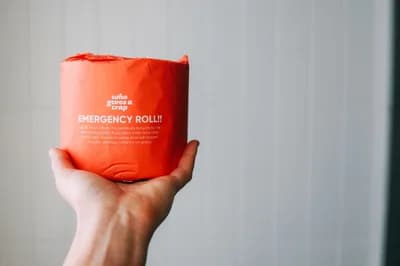
An Australian brand that makes 100% recycled or bamboo toilet paper, paper towels, and tissues — all wrapped in paper instead of plastic. Co-founder Simon Griffiths launched a crowdfunding campaign in 2012 by sitting on a toilet in a warehouse until they raised $50,000. They hit the goal in 50 hours. Who Gives a Crap donates 50% of profits to build toilets and improve sanitation in developing countries — over $15 million donated to date. They deliver directly to your door in cardboard boxes. 2.4 billion people worldwide lack basic sanitation. This brand addresses both the waste and the access problem.
- 0

In September 2022, founder Yvon Chouinard transferred ownership of the entire company, then valued at around $3 billion, to a trust and a nonprofit dedicated to fighting climate change -- one of the more unusual ownership structures any major company has adopted. Patagonia has run its "Don't Buy This Jacket" ad campaign, offers free repairs through its Worn Wear program, has used recycled materials in its products since the 1990s, and has targeted full carbon neutrality across its supply chain. The company publishes detailed factory information for its supply chain, spends 1% of sales on environmental activism through 1% for the Planet, and has donated over $140 million to environmental causes since 1985.
- 0

Grove Collaborative became the first plastic-neutral retailer in the world in 2020, meaning they collect and recycle as much ocean-bound plastic as they use in packaging. By 2025, they went further — committing to 100% plastic-free packaging across their entire product line. Their Grove Co. brand offers concentrated cleaning products in aluminum and glass containers. The company went public via SPAC in 2022, valued at $1.5 billion. Their VIP subscription model auto-ships eco-friendly home essentials with carbon-neutral shipping. They've diverted over 5 million pounds of plastic from oceans.
- 0

Sisters Lindsey and Alison Delaplaine founded Plaine Products after learning that less than 9% of plastic ever produced has been recycled. Their solution: premium shampoo, conditioner, and body wash in aluminum bottles that you send back for sanitization and refill. It's the milkman model applied to personal care. Each bottle is reused 50+ times before recycling. The products are vegan, cruelty-free, and made with plant-based ingredients. The closed-loop system eliminates single-use packaging entirely. They've kept over 500,000 plastic bottles out of landfills.
- 0

By Humankind leads with refillable personal care that cuts out single-use plastic completely. Since 2019, their deodorant uses a reusable case with replaceable sticks, mouthwash dissolves from tablets, and shampoo comes as bars—each product rethinking plastic's end. They've eliminated 10 million+ plastic containers. This data-led approach makes sustainability cheaper, not premium.
- 0

Meow Meow Tweet, a Brooklyn-based brand since 2009, sets a gold standard with vegan, cruelty-free skincare in 100% plastic-free packaging. Their cult-favorite deodorant cream in a compostable cardboard tube uses organic, fair-trade ingredients mixed in small batches. This anti-expansion approach proves zero plastic is viable, even if pricier.
What Separates a Real Redesign From a Green Label
The easiest way to sound sustainable is to add a recycling symbol to a conventional product and call it a day. The brands worth taking seriously on this list did something harder: they redesigned the product and its packaging system from the ground up, rather than treating sustainability as an add-on. A refillable glass jar, a dry tablet that ships without the water weight of a liquid product, or paper packaging replacing plastic on a genuinely everyday item — these are structural choices made at the design stage, not marketing decisions made after the product already existed.
Third-party certification is a useful, if imperfect, way to tell the two apart. Independent audits — B Corp status, cruelty-free certification, verified carbon-neutral claims — require a company to open its operations to outside scrutiny, a meaningfully higher bar than a company's own packaging copy. It's not the only signal worth checking, and plenty of legitimate small brands skip certification because of the cost, but a brand that has gone through the process has at least proven its claims to someone other than itself.
The Real Failure Point Is Habit, Not Product Design
Refill-based products — a concentrate you dilute at home, a reusable case you restock instead of replacing, a tablet you drop into an existing container — dramatically cut the plastic and shipping weight of a conventional product. But they only deliver that benefit if the habit sticks. The most common way a zero-waste swap fails isn't a flawed product; it's a customer who buys the starter kit once, likes it, and then quietly reverts to a disposable version out of convenience the next time they're at a regular store.
That's worth factoring in when comparing these brands: a refill system that's genuinely easy to reorder — available at a regular retailer, not just a niche website — is more likely to actually reduce someone's long-term waste than a superior product that requires more friction to keep using.
Image credits
- Package Free Shop: Wikimedia Commons (CC BY-SA 4.0)
- Ethique: Wikimedia Commons (CC BY-SA 4.0)
- Who Gives a Crap: Elle Hughes / Pexels
Related Videos
Rank it your way
Remix this list into your own ranking, or head to the play hub for every game mode and community breakdown — blind mode, challenges, tier lists, and more.
You Might Also Like

Top 10 Best Sustainable Living Products
Top 10 Zero-Waste Brands That Actually Deliver (2026)
Top 10 Most Overhyped Lifestyle Brands
Top 10 Most Overhyped Lifestyle Brands

Top 10 Best Plant-Based Products
Top 10 Zero-Waste Brands That Walk the Talk

Top 10 Worst Fast Fashion Brands
Top 10 Zero-Waste Brands That Walk the Talk

Top 10 Traditional Houses of Indonesia 2026
#1 Tongkonan (Toraja) · #2 Rumah Gadang (Minangkabau) · #3 Joglo (Java)

Top 10 Best Wholesale & Bulk Shopping Clubs
#1 Costco · #2 Sam's Club (Walmart) · #3 BJ's Wholesale Club